A Complete Guide to Amenokoyane-no-Mikoto Shrine (Minoh City, Osaka Prefecture) | History, Benefits, and Access Information for Segawa Shrine
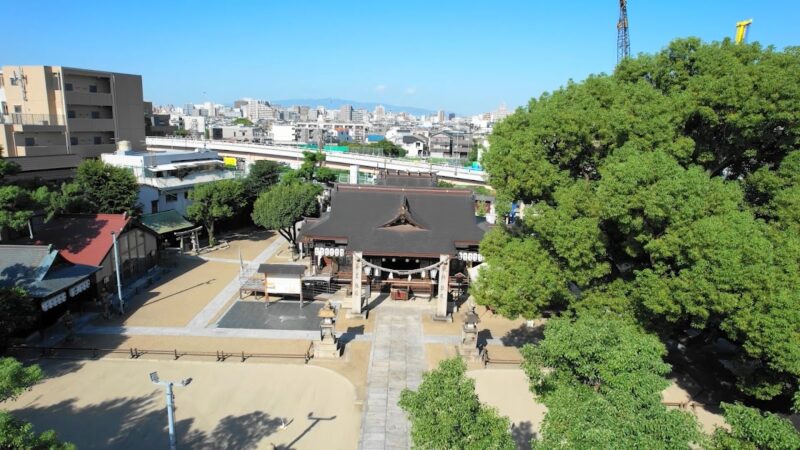
Amenokoyane-no-Mikoto Shrine, located in Segawa, Minoh City, Osaka Prefecture, is an ancient shrine affectionately known to locals as “Segawa Shrine” or “Ryū no Miya” (Dragon Palace). Dedicated to Amenokoyane-no-Mikoto, the ancestral deity of the Fujiwara clan, this shrine, quietly nestled in a residential area, is steeped in legends and a rich history related to dragons.
This article comprehensively introduces all the information you need to know before visiting Amenokoyane-no-Mikoto Shrine, including its detailed history, highlights within the grounds, benefits, goshuin (shrine stamp) information, and access methods.
Basic Information on Amenokoyane-no-Mikoto Shrine
Location and Access Overview
Location: 1-22-20 Segawa, Minoh City, Osaka Prefecture
Amenokoyane-no-Mikoto Shrine is located in the Segawa district of Minoh City, within a residential area. The surrounding area is quiet, offering a peaceful space for worship away from the hustle and bustle of the city.
Origin of the Shrine Name and Common Names
The official name is “Amenokoyane-no-Mikoto Shrine,” but it is affectionately known locally by the following names:
- Segawa Shrine (Segawa Jinja): A common name derived from the local place name
- Ryū no Miya: Derived from the legend of Ryūgai (Dragon Well) within the shrine grounds
These common names demonstrate the deep roots the shrine has in the community.
About the Deity: Amenokoyane-no-Mikoto
About Amenokoyane-no-Mikoto
Amenokoyane-no-Mikoto is a deity who plays an important role in Japanese mythology. He is known as the god of wisdom who recited prayers in front of the cave when Amaterasu Ōmikami hid in the Heavenly Rock Cave, guiding the gods.
Relationship with the Fujiwara Clan
Amenokoyane-no-Mikoto has been revered as the ancestral deity of the Fujiwara clan. Considered the ancestor of the Nakatomi clan (later the Fujiwara clan), Amenokoyane-no-Mikoto has held an important position as the guardian deity of a family that has overseen court rituals since ancient times. He is also one of the principal deities of Kasuga Taisha Shrine in Nara and is enshrined in Kasuga Shrines throughout Japan.
Benefits
Shrines dedicated to Amenokoyane-no-Mikoto are believed to offer the following benefits:
- Academic Success and Passing Exams: Aspect of being a god of wisdom
- Good Fortune and Prosperity: From the power to guide the gods
- Family Safety: Protection as a tutelary deity
- Business Prosperity: Through the power of words
- Protection from Misfortune and Misfortune: Spiritual power as a god who presides over rituals
History of Amenokoyane-no-Mikoto Shrine
Origin of Founding
The exact founding date of Amenokoyane-no-Mikoto Shrine is unclear, but it has been worshipped as the tutelary deity of this region since ancient times. It is said to have been founded through the enshrinement of a deity from Kasuga Taisha Shrine, and has a history of protecting the Segawa area as its tutelary deity since before the Middle Ages.
Changes in the Meiji Era
Due to the Meiji era’s policy of consolidating shrines, several small shrines in the surrounding area were merged. While many shrines were consolidated during this period, Amenokoyane-no-Mikoto Shrine survived as the central shrine of the region.
During the Meiji period, the following nearby shrines are believed to have been merged:
- Oji Shrine
- Hachiman Shrine
- Tenmangu Shrine
As a result of these mergers, the current Amenokoyane-no-Mikoto Shrine enshrines multiple deities.
Developments Since the Showa Era
In the Showa era, the shrine buildings were repaired and the grounds were improved. After the post-war reconstruction period, it has continued to thrive, supported by the fervent faith of the local residents. Regular repairs have been carried out in recent years, maintaining its excellent condition.
Highlights of the Shrine Grounds
Main Hall and Worship Hall
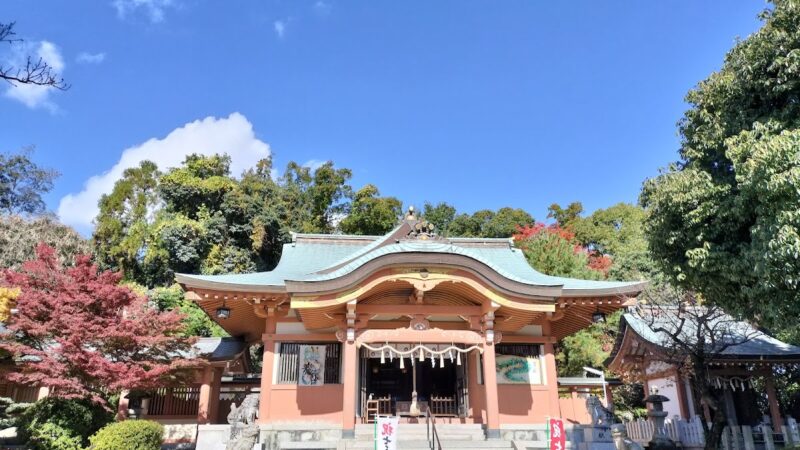
The shrine buildings of Amenokoyane-no-Mikoto Shrine exude a tranquil atmosphere, unexpected given its location in a residential area. The main hall is built in a traditional shrine architectural style, and worshippers can pray from the worship hall.
While the shrine buildings are not particularly large, the meticulously maintained grounds convey the deep faith of the local people.
The Legend of Ryugai
The main reason Amenokoyane-no-Mikoto Shrine is called “Ryū no Miya” (Dragon Palace) is the Ryūgai (Dragon Well) located within the shrine grounds.
The Legend of Ryugai
A legend about a dragon has been passed down about this well since ancient times. It is said that a dragon once lived in this well, and that one day it ascended to heaven. Because of this legend, the shrine came to be known by the alternative name “Ryū no Miya” (Dragon Palace).
Dragons are often worshipped as gods of water and rain, and this well is thought to have played an important role as a water source for the region.
The Current Ryugai Well
The remains of the well still exist on the shrine grounds, allowing visitors to reflect on the legend of the dragon. It is a valuable historical site that offers a glimpse into a part of Japanese folk belief, where water deity worship and shrine worship are intertwined.
Shrine Precincts and Stone Monuments
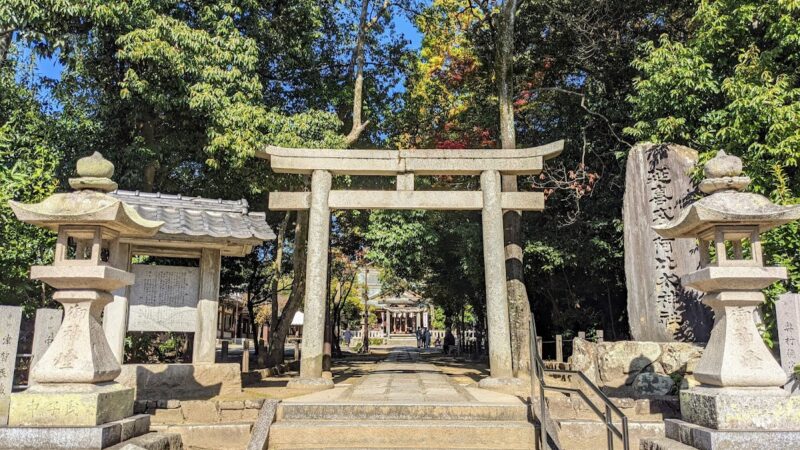
Besides the main shrine, the grounds are dotted with shrines dedicated to deities enshrined during the Meiji period, as well as stone monuments that tell the story of the shrine’s history. These tell the story of the shrine’s long history and its deep connection to the community.
Autumn Festival and Annual Events
The Ame-no-Koyane-no-Mikoto Shrine holds an autumn festival every year. The autumn festival is an important community event, with many parishioners and local residents participating. This festival, which prays for a bountiful harvest and the safety of the community, is a traditional event that has been passed down through generations.
In addition, seasonal Shinto rituals such as the New Year’s visit and the Setsubun festival are held, and the shrine plays a central role in the local community.
Goshuin (Shrine Seal) Information
About the Issuance of Goshuin
Goshuin are available at Amenokoyane-no-Mikoto Shrine. However, there may not always be a permanently staffed shrine office, so it is recommended that those wishing to receive a goshuin check in advance.
Features of the Goshuin
The goshuin features the name of the shrine, “Amenokoyane-no-Mikoto Shrine,” written in ink, and stamped with the shrine’s seal. It is a simple yet elegant goshuin that conveys the history and prestige of the shrine.
For those collecting goshuin, it is worth visiting as part of a shrine pilgrimage within Minoh City.
Detailed Access to Amenokoyane-no-Mikoto Shrine
Access by Train
Using Hankyu Railway:
- Approximately 30 minutes on foot from Hankyu Minoo Line “Sakurai Station”
- Although it’s the nearest station, it’s a bit of a distance.
- Suitable for a visit combined with a stroll.
Access by Bus
Using Hankyu Bus:
- Take a bus from Hankyu Minoo Line “Sakurai Station” or “Minoo Station”
- Get off at “Segawa” bus stop and walk for approximately 20 minutes.
Even when using the bus, there is a short distance from the bus stop, but the road through the residential area is relatively flat and easy to walk.
Access by Car
If using a private car:
- From National Route 171, head towards Minoh.
- Enter “1-22-20 Segawa, Minoh City, Osaka Prefecture” into your car navigation system.
- As it is located in a residential area, there are narrow sections of road.
- Parking is limited, so using public transportation is recommended.
Notes on Access
Please note the following points as Ame-no-Koyane-no-Mikoto Shrine is located in a residential area:
- Due to narrow sections of road, visiting in large vehicles is difficult.
- Parking space is limited, so please use public transportation whenever possible.
- As it is in a residential area, please be considerate of noise levels during your visit.
- If it is your first visit, using a smartphone map app will be helpful.
Nearby Attractions and Tourist Spots
Other Shrines and Temples in Minoh City
When visiting Ame-no-Koyane-no-Mikoto Shrine, why not also visit other shrines and temples in Minoh City?
- Takiyasu-ji Temple: An ancient temple located near Minoo Falls.
- Seiko-ji Temple: An important temple in Minoo City.
- Taishaku-ji Temple: Known as a famous spot for autumn foliage.
Minoo’s Nature and Tourism
Minoo City is known as a region rich in nature:
- Minoo Falls: A famous waterfall selected as one of Japan’s Top 100 Waterfalls.
- Minoo Park: Enjoy the changing seasons.
- Minoo Onsen: A hot spring facility where you can relax after sightseeing.
- Minoo Maple Leaf Tempura: A Minoo specialty souvenir.
You can enjoy Minoo’s nature and culture in conjunction with a visit to Amenokoyane-no-Mikoto Shrine.
Manners and Points for Visiting a Shrine
Basic Worship Etiquette
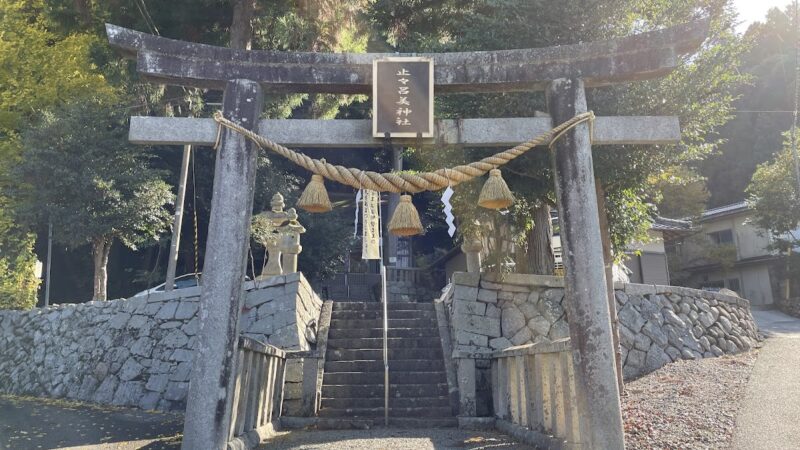
- Bow before passing through the torii gate.
- Purify your hands and mouth at the temizuya (water basin) (if available)
- Bow twice, clap twice, and bow once in front of the main hall.
- Stroll quietly around the shrine grounds.
- Bow once again at the torii gate when leaving.
Attire for Visiting a Shrine
There are no specific dress code requirements, but it is desirable to dress appropriately for a sacred place. Avoid excessive exposure and wear clean clothing.
Photography
Photography is generally permitted on the shrine grounds, but please note the following:
- Refrain from taking photos inside the main hall.
- Be considerate of other worshippers.
- Check beforehand if using a tripod.
- Keep content moderate when posting on social media.
Other Shrines in Osaka Prefecture that Enshrine Amenokoyane-no-Mikoto
Amenokoyane-no-Mikoto is enshrined in many shrines in Osaka Prefecture. After visiting Amenokoyane-no-Mikoto Shrine, we recommend visiting other shrines as well:
Hiraoka Shrine (Higashi-Osaka City)
Location: 7-16 Izumoi-cho, Higashi-Osaka City, Osaka Prefecture
This is a prestigious shrine known as the Ichinomiya (first-ranked shrine) of Kawachi Province, and enshrines Amenokoyane-no-Mikoto as one of its main deities. It is also called Moto-Kasuga, and it is said that the deity was invited from this site when Kasuga Taisha Shrine was founded.
Osaka Tenmangu Shrine (Kita-ku, Osaka City)
This Tenmangu shrine enshrines Sugawara no Michizane, the god of learning, as its main deity, but also enshrines Amenokoyane-no-Mikoto as a subordinate deity. It is one of Osaka’s representative shrines, famous for the Tenjin Festival.
Other Kasuga Shrines
There are numerous Kasuga Shrines within Osaka Prefecture, each dedicated to Amenokoyane-no-Mikoto:
- Kasuga Shrine in Suita City
- Kasuga Shrine in Settsu City
- Kasuga Shrine in Toyonaka City
- Kasuga Shrine in Ibaraki City
Visiting these shrines allows you to experience the widespread worship of Amenokoyane-no-Mikoto and the unique characteristics of each region.
Summary of the Charms of Amenokoyane-no-Mikoto Shrine
Amenokoyane-no-Mikoto Shrine (Segawa Shrine), though not large in scale, possesses the following unique charms:
Historical Value
- A historical shrine dedicated to the ancestral deity of the Fujiwara clan
- A record of shrine consolidation during the Meiji period
- A long history as a local tutelary deity
Cultural Value
- Traces of folk belief in the legend of Ryugai
- A fusion of water deity worship and shrine worship
- A role as the center of the local community
Charms of Visiting
- A tranquil space in a residential area
- A calm atmosphere away from the hustle and bustle of the city
- A warm place of worship rooted in the community
Things to Know Before Visiting
Best Time to Visit
Amenokoyane-no-Mikoto Shrine is open for visits throughout the year, but the best times to visit are:
- Spring: A season of fresh greenery, perfect for visiting in the crisp air
- Autumn: The season of autumn festivals, when the autumn leaves are at their most beautiful
- New Year’s: First shrine visit of the year, prayers for the new year
Estimated Time Required
The shrine grounds are compact, so the visit itself takes about 15-30 minutes. However, if you want to take your time to appreciate the legend of Ryugai and the atmosphere of the shrine grounds, it’s best to allow about an hour.
Nearby Facilities
The area around the shrine is residential, so restaurants and commercial facilities are limited. We recommend doing your meals and shopping around Hankyu Sakurai Station or Minoo Station.
Frequently Asked Questions (FAQ)
Q1: Can I get a Goshuin (shrine stamp) anytime?
A1: Goshuin are available at Amenokoyane-no-Mikoto Shrine, but there may not always be a permanently staffed shrine office. If you want to be sure to get a Goshuin, we recommend contacting the shrine in advance to confirm. Also, the chances of receiving one are higher during events such as the Autumn Festival.
Q2: Is there parking?
A2: Dedicated parking is limited. The shrine is located in a residential area, and the roads are narrow, so we recommend using public transportation (Hankyu Railway, Hankyu Bus) whenever possible. If you are coming by car, please consider using a nearby paid parking lot.
Q3: Can I still see Ryugai Well?
A3: Yes, the remains of Ryugai Well are still on the shrine grounds and can be seen. Although it is no longer used as a well, it is preserved as an important historical site that tells the legend of the dragon. Please be sure to visit Ryugai Well when you come to the shrine.
Q4: Do you offer amulets and talismans?
A4: Due to the size of the shrine, it is unclear whether amulets and talismans are always available. They may be available during events such as the Autumn Festival. Please contact the shrine or the Osaka Prefectural Shrine Association for details.
Q5: Are Segawa Shrine and Amenokoyane-no-Mikoto Shrine the same shrine?
A5: Yes, they are the same shrine. The official name is “Ame-no-Koyane-no-Mikoto Shrine,” but it is affectionately known locally as “Segawa Shrine.” It is also called “Ryū-no-Miya” (Dragon Palace) due to the legend of Ryūgai.
Q6: Can I visit for Hatsumode (first shrine visit of the New Year)?
A6: Yes, you can visit for Hatsumode. As the local guardian shrine, many local residents visit for Hatsumode during the New Year. However, it is not as crowded as large shrines, and you can visit in a relatively calm atmosphere.
Q7: Can I visit with children?
A7: Of course you can. The shrine grounds are compact and have good visibility, and there are few dangerous areas, so you can visit with children with peace of mind. However, since it is located in a residential area, please be considerate of noise levels.
Q8: How far is it from Minoo Falls?
A8: It is located some distance from Minoo Falls, and it takes more than an hour to walk there. If you plan to visit both, we recommend using public transportation such as buses or taxis. We recommend planning your visit to coincide with sightseeing in Minoh City.
Summary: Visiting Amenokoyane-no-Mikoto Shrine
Amenokoyane-no-Mikoto Shrine, located in Segawa, Minoh City, Osaka Prefecture, is a historically significant shrine dedicated to the ancestral deity of the Fujiwara clan. Yet, it’s a community-oriented shrine quietly nestled within a residential area. The small grounds are filled with rich stories, including the legend of Ryugai and the history of the Meiji-era merger of shrines.
Why not escape the hustle and bustle of the city and take a leisurely visit to experience the atmosphere of a shrine supported by the faith of the local people? You’ll receive the divine blessings of Amenokoyane-no-Mikoto and enjoy a peaceful time.
Visiting it in conjunction with Minoh’s nature and other tourist spots will make your Minoh sightseeing even more fulfilling. Please do visit Amenokoyane-no-Mikoto Shrine (Segawa Shrine/Ryunomiya) at least once.