Complete Guide to Hirose Shrines | A Thorough Explanation of the History, Access, and Highlights of Hirose Shrines Across Japan
There are several shrines named Hirose Shrine throughout Japan. Each has its own unique history and origins, and has attracted local faith. This article provides detailed explanations of Hirose Shrines in various locations, including Hirose Taisha in Nara Prefecture, Taketa City in Oita Prefecture, Ehime Prefecture, and Saitama Prefecture. We comprehensively cover everything you need to know before visiting a Hirose Shrine, from its appeal as a tourist spot and transportation access to highlights within the shrine grounds.
What is Hirose Shrine? | Origin of the Name and Nationwide Distribution
The name Hirose Shrine mainly originates from the place name “Hirose” and the belief in the worship of the water god. While each Hirose Shrine scattered throughout Japan has a different historical background, they have all played an important role as spiritual pillars of their respective regions.
Of particular note is that Hirose Taisha in Nara Prefecture is known as the “shrine where the Hirose surname originated.” Furthermore, Hirose Shrine in Taketa City, Oita Prefecture, has a unique character, as it enshrines Lieutenant Commander Hirose Takeo, a hero of the Russo-Japanese War.
Understanding Hirose Shrines throughout Japan allows us to appreciate the diversity and regional characteristics of Japanese shrine worship.
Nara Prefecture – Hirose Taisha | An Ancient Shrine that Flourished as One of the Twenty-Two Shrines
History and Origins of Hirose Taisha
Hirose Taisha, located in Kawai-cho, Kitakatsuragi-gun, Nara Prefecture, is a prestigious shrine that has been revered by the imperial court since ancient times. It is counted as one of the Twenty-Two Shrines and is also known as one of the Forty-Four Shrines of Musashi Province.
Its founding dates back to the time of Emperor Sujin. A divine oracle was given to the village headman of Kawai in Hirose, and a miracle occurred: a marshland became dry land overnight, and many tachibana orange trees grew. This event was reported to the emperor, and it is said that the shrine was built on this site as its origin.
Hirose Taisha Shrine is also designated as the 31st sacred site of Shinto and Buddhism (18th in Nara), and its grounds are characterized by a long approach path.
Deities and Divine Virtues
The main deity is Wakaukanome-no-Mikoto, also known as Toyouke or Ukanomitama. Enshrined alongside her are Kushitama-no-Mikoto and Honokazuchi-no-Mikoto, a group of gods of food.
Since ancient times, it has been worshipped as a god of water and agriculture, and is believed to bestow blessings of abundant harvests and business prosperity. It has particularly attracted fervent devotion from people involved in water-related industries and agriculture.
Sand-Throwing Festival | A Unique Festival of Yamato
The most famous festival at Hirose Taisha Shrine is the “Sand-Throwing Festival,” held annually on February 11th. Known as a unique festival of Yamato, this festival features a distinctive ritual where participants throw sand at each other.
This festival is a prayer for a bountiful harvest; throwing sand is believed to symbolize spreading sand on the fields and praying for a good harvest. Many local families participate, and it is a traditional event passed down through the community.
Access and Parking Information for Hirose Taisha Shrine
Address: 99 Kawai, Kawai-cho, Kitakatsuragi-gun, Nara Prefecture
Phone: 0745-56-2065
Transportation Access:
- Approximately 15 minutes on foot from Kintetsu Tawaramoto Line “Owada Station”
- Take a bus or taxi from JR Yamatoji Line “Horyuji Station”
- Approximately 10 minutes by car from Nishimeihan Expressway “Horyuji IC”
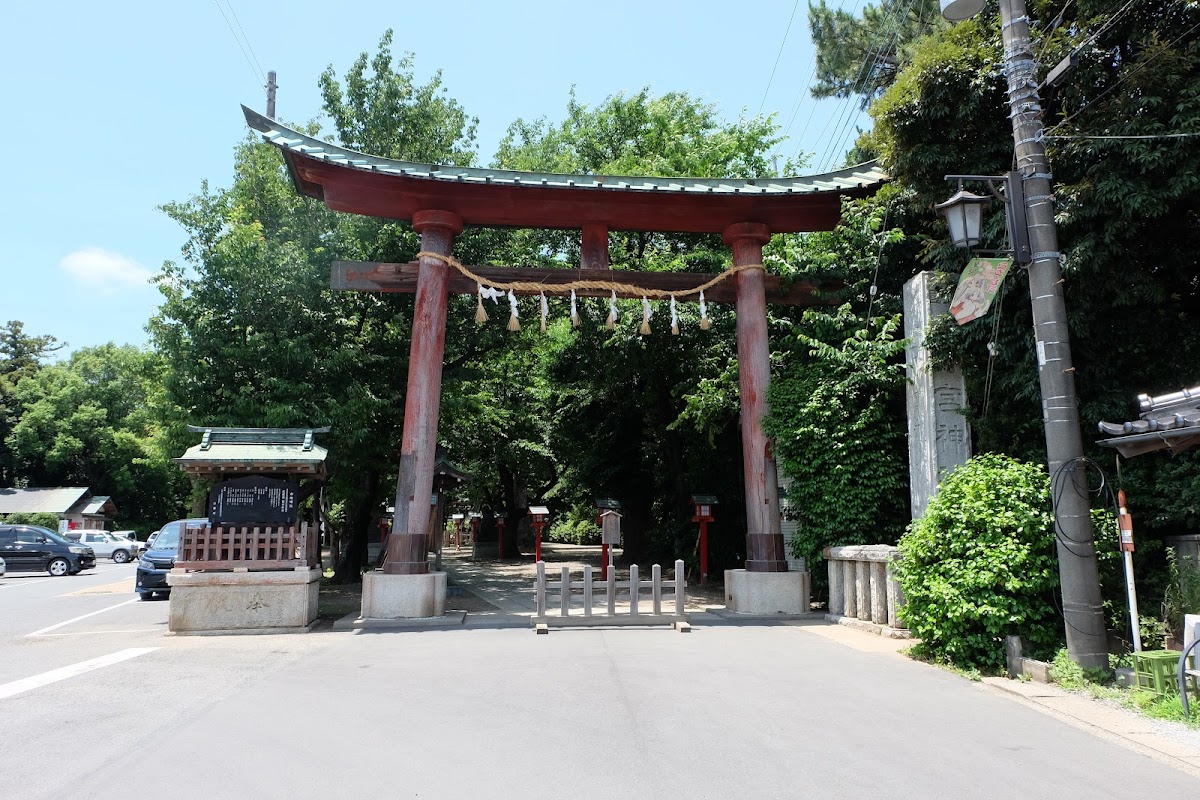
Parking: Parking is available east of the first torii gate (a short walk along the approach to the shrine is required).
The shrine grounds are characterized by a long approach, offering a peaceful atmosphere for worship.
Hirose Shrine, Taketa City, Oita Prefecture | A Shrine Dedicated to Lieutenant Commander Hirose Takeo, the “God of War”
Lieutenant Commander Hirose Takeo and the History of the Shrine’s Establishment
Hirose Shrine, located in Taketa City, Oita Prefecture, was established on May 25, 1935 (Showa 10), as a shrine dedicated to Lieutenant Commander Hirose Takeo, the “God of War” who died in the Battle of Port Arthur during the Russo-Japanese War.
Hirose Takeo was born in Taketa Chaya-no-Tsuji, the second son of Hirose Shigetake, a loyalist samurai of the Oka Domain during the late Edo period. He served as a naval officer and died in battle during the blockade of Port Arthur during the Russo-Japanese War while searching for his subordinate, Petty Officer First Class Sugino Sonshichi. His brave actions and character were praised, and he came to be revered as a “God of War.”
The shrine was built to honor him by people who admired Lieutenant Commander Hirose’s character and patriotic spirit.
Exhibits at the Hirose Memorial Museum
The Hirose Memorial Museum is located on the temple grounds and displays the belongings of Lieutenant Commander Hirose. The museum exhibits the following materials:
- Lieutenant Commander Hirose’s military uniform and personal belongings
- Photographs and letters from that time
- Historical materials related to the Russo-Japanese War
- Detailed records of the Port Arthur blockade operation
Through the exhibits, you can gain a deep understanding of Meiji-era Japanese history and the life of Takeo Hirose. It is a worthwhile facility to visit for history enthusiasts and as a tourist attraction.
Access to Hirose Shrine in Taketa City
Address: Taketa, Taketa City, Oita Prefecture
Transportation Access:
- Approximately 15 minutes on foot from Bungo-Taketa Station on the JR Hohi Main Line
- Approximately 50 minutes by car from Yufuin IC on the Oita Expressway
- Easily accessible from the center of Taketa City
Parking: Parking spaces available around the temple grounds
Taketa City is an area rich in tourist attractions in Oita Prefecture, known as the “Onsen Prefecture” (Hot Spring Prefecture). A recommended itinerary is to combine your visit to Hirose Shrine with a tour of the surrounding hot springs and gourmet food.
Tourist Spots Around Taketa City
When visiting Hirose Shrine, we recommend also visiting the following nearby spots:
- Oka Castle Ruins: A representative historical site of Taketa City, a mountain castle with remarkably well-preserved stone walls.
- Taketa Onsen: A historic hot spring town where day trips are possible.
- Taki Rentaro Memorial Museum: The birthplace of the composer known for “Kojo no Tsuki” (The Moon Over the Ruined Castle).
- Taketa Spring Water Group: Pure spring water selected as one of Japan’s 100 Best Waters.
Taketa City is an attractive tourist destination where history and nature harmonize. A popular model course combines a visit to Hirose Shrine with a tour of the surrounding areas over a day.
Ehime Prefecture – Hirose Shrine | An Ancient Shrine Protected by a Thousand-Year-Old Giant Tree
A Historic Shrine Established in 926
Hirose Shrine in Ehime Prefecture is a historic shrine said to have been established in 926 (Encho 4). With a long history dating back to the Heian period, it has been cherished as a center of local faith.
Giant Trees Designated as Prefectural Natural Monuments
The most noteworthy feature of Hirose Shrine in Ehime Prefecture is the group of giant trees within its grounds:
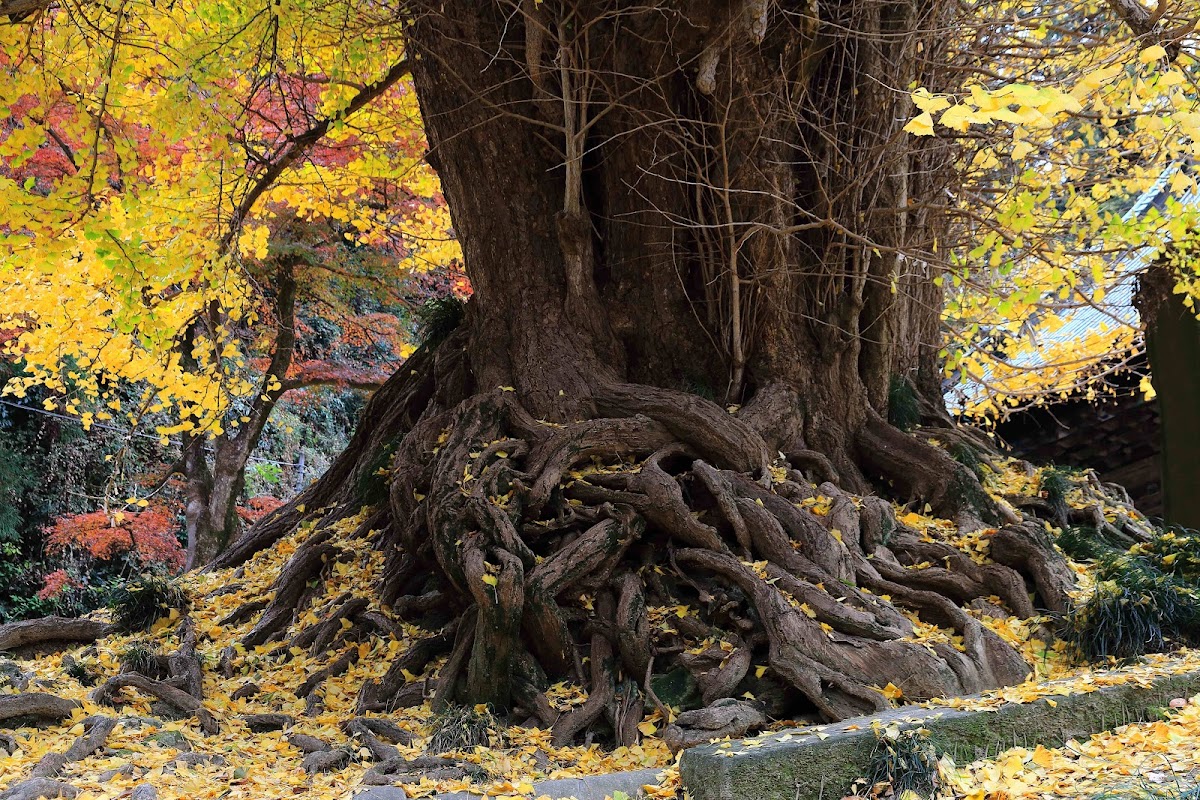
- Large Japanese evergreen oak: Estimated age over 1000 years
- Two zelkova trees: Both designated as prefectural natural monuments
These ancient trees are being treated through donations from shrine representatives and local residents, reflecting the community’s desire to carefully protect these nearby giant trees. These giant trees, still alive after more than a thousand years, serve as living witnesses to the shrine’s history, deeply moving visitors.
Standing within the grounds, one can feel the overwhelming presence and sacred atmosphere of these giant trees.
Access to Hirose Shrine in Ehime Prefecture
Access information to Hirose Shrine in Ehime Prefecture varies depending on the specific location. It is recommended to check the latest information with the Ehime Prefectural Shrine Association or local tourism association before visiting.
Hirose Shrine, Sayama City, Saitama Prefecture | A Prestigious Ancient Shrine of Musashi Province (One of the Forty-Four Shrines)
One of the Forty-Four Shrines of Musashi Province
Hirose Shrine, located in Sayama City, Saitama Prefecture, is a prestigious shrine counted among the Forty-Four Shrines of Musashi Province. It is known as a particularly historically significant shrine among the many shrines in Musashi Province.
On February 11, 1907 (Meiji 40), the Atago Shrine and Asama Shrine, which were previously unranked shrines, were merged, resulting in its current form.
The Sacred Zelkova Trees
Within the shrine grounds are two sacred zelkova trees, both designated as Saitama Prefecture cultural properties. These zelkova trees, boasting centuries of age, are living cultural assets that have watched over the history of the shrine, attracting the attention of visitors.
Access to Hirose Shrine in Sayama City
Location: Sayama City, Saitama Prefecture (Mizutomi area)
Transportation Access:
- By bus or on foot from Sayama-shi Station on the Seibu Shinjuku Line
- Approximately 30 minutes by car from Kawagoe IC on the Kan-Etsu Expressway
Detailed access information can be found on the official Sayama City website.
About Prayers, Festivals, and Outdoor Rituals at Hirose Shrine
Types of Prayers and Application Methods
Hirose Shrines in various locations accept a variety of prayers. The following are common types of prayers:
- Family Safety: Prayers for the health and peace of the family
- Business Prosperity: Prayers for the development and prosperity of the business
- Exorcism: Prayers to ward off misfortune during the unlucky year
- Traffic Safety: Prayers for the safety of vehicles and drivers
- Prayers for Success: Prayers for success in exams and tests
- Prayers for Safe Childbirth: Prayers for the safety of the pregnant woman and baby
If you wish to have a prayer performed, it is recommended that you inquire by phone in advance and make a reservation for a date and time. The offering fee varies depending on the type of prayer, so please confirm when you inquire.
Annual Events and Festivals
Hirose Shrine holds various festivals throughout the year:
- January: New Year’s Day Festival, Beginning of the Year Festival
- February: Foundation Day Festival, Prayer Festival (Sunakake Festival at Hirose Grand Shrine)
- Spring Equinox: Spring Imperial Ancestor Festival
- June: Great Purification Ceremony
- Autumn Equinox: Autumn Imperial Ancestor Festival
- November: Harvest Festival
- December: Great Purification Ceremony
These festivals are important events that convey the history and traditions of the shrine to the present day.
Other Off-Site Ceremony Services
Many Hirose Shrines offer off-site ceremonies (rituals performed outside the shrine grounds) in addition to prayers within the shrine grounds:
- Groundbreaking Ceremony: Prayers for the safety of construction work
- Roof-Raising Ceremony: Prayers for the safe completion of the building
- Completion Ceremony: Reporting and expressing gratitude for the completion of the building
- House Purification Ceremony: Purification of a new home or office
If you wish to have an off-site ceremony, please contact the shrine to inquire about the date, location, and necessary preparations.
Manners and Points for Visiting Hirose Shrine
Basic Etiquette for Worship
When visiting a shrine, please observe the following basic etiquette:
- Bow before passing through the torii gate: A courtesy before entering the sacred area.
- Walk along the edge of the path: The center is the path for the gods.
- Purify yourself at the water basin: Left hand → Right hand → Mouth → Left hand
- Worship in front of the main hall: Two bows, two claps, one bow is the basic method.
- Bow upon leaving: Turn around and bow before leaving the torii gate.
Precautions for Photography
Photography is generally permitted on the shrine grounds, but please note the following:
- Photography is prohibited inside the main hall and in restricted areas.
- Respect the privacy of other worshippers.
- Refrain from photography during religious ceremonies.
- Avoid using flash photography.
If you have any questions, it is best to check with the shrine office.
Accessibility Information
Accessibility features vary at each Hirose Shrine. Older shrines, in particular, may have many steps:
- Hirose Taisha: Due to the long approach, those with mobility issues should check in advance.
- Hirose Shrine in Taketa City, Oita Prefecture: Inquiry about access to the shrine grounds is recommended in advance.
- Parking: Many shrines have parking facilities, making access by car convenient.
If you wish to visit in a wheelchair, it is recommended to inquire with the shrine in advance to confirm their availability.
Hirose Shrine’s Goshuin (Shrine Seals) and Amulets
About Goshuin (Shrine Seals)
At Hirose Shrine, you can receive a goshuin as proof of your visit. Goshuin are available at the shrine office, and the offering fee is usually around 300 to 500 yen.
You can bring your own goshuincho (seal book) or purchase one on-site. Limited edition goshuin may be given out on special festival days, so it’s a good idea to check the shrine’s website and announcements.
Amulets and Souvenirs
Each Hirose Shrine offers a variety of amulets and souvenirs:
- Traffic Safety Amulet: Protects vehicles and drivers
- Academic Success Amulet: Prayers for academic improvement
- Health Amulet: For recovery from illness and maintaining good health
- Matchmaking Amulet: Attracts good relationships
- Good Fortune Amulet: Prayers for improved luck
It is recommended to replace your amulet with a new one approximately every year. Return old amulets to the shrine and have them burned in a ceremonial burning.
Local Cuisine and Hot Springs Around Hirose Shrine
Local Cuisine Around Taketa City, Oita Prefecture
When visiting Hirose Shrine in Taketa City, Oita Prefecture, be sure to enjoy the local cuisine:
- Bungo Beef: Oita’s proud brand of beef
- Toriten: Oita’s famous chicken dish
- Dango-jiru: Taketa’s local cuisine
- Atama-ryori: Taketa’s traditional local cuisine
Taketa City boasts a diverse range of restaurants, from historic eateries to new cafes.
Hot Spring Tours in Oita Prefecture
Oita Prefecture is known as “Onsen Prefecture” (Hot Spring Prefecture), and there are many hot springs around Taketa City:
- Nagayu Onsen: A hot spring resort famous for its carbonated springs
- Taketa Onsen: A convenient hot spring close to the city center
- Shichirida Onsen: Multiple hot spring sources including Shimoyu and Konoha-no-yu
A model course combining a visit to Hirose Shrine and a hot spring bath is a popular tourist activity.
Sightseeing around Kawai Town, Nara Prefecture
Around Hirose Taisha Shrine, you can also visit the following tourist spots:
- Horyu-ji Temple: A World Heritage Site (approximately 10 minutes by car)
- Ikaruga no Sato: A place associated with Prince Shotoku
- Oji Town: A town dotted with historical temples and shrines
Enjoy a historical stroll in the quiet atmosphere of the western part of the Nara Basin.
Historical Documents and Old Shrine Maps of Hirose Shrine
Shrine Map from the Muromachi Period
Hirose Taisha Shrine possesses an old shrine map believed to have been drawn around the Muromachi period. This map is a valuable historical document that reveals the appearance of the shrine grounds and the layout of the buildings at that time.
From the map, we can discern the characteristics of medieval shrine architecture and the worship scenes of the time. Such historical documents are preserved as important cultural assets that tell the story of the shrine’s long history.
Hirose Shrine in Historical Documents
Hirose Shrine (especially Hirose Taisha) appears in numerous historical documents from ancient times:
- Engishiki Jinmyocho: Listed in the shrine register of the Heian period
- Shoku Nihongi: A historical record of rituals from the Nara period
- Nihon Sandai Jitsuroku: An official history of the Heian period containing an article on the bestowal of divine rank
These documents reveal that Hirose Shrine was an important object of worship for the imperial court from ancient times.
Summary | A Journey to Visit Hirose Shrines Across Japan
Shrines bearing the name Hirose Shrine are scattered throughout Japan, each possessing its own unique history and characteristics.
Hirose Taisha in Nara Prefecture is a prestigious shrine with a long history dating back to ancient times, and has been worshipped as the god of water and agriculture. Its unique festivals, such as the Sand-Throwing Festival, are also a major attraction.
Hirose Shrine in Taketa City, Oita Prefecture, is an important site that conveys the history of modern Japan, as it enshrines Lieutenant Commander Takeo Hirose, a hero of the Russo-Japanese War. Combined with the exhibits at the Hirose Memorial Museum, it is a valuable tourist spot for learning about history.
Hirose Shrines in Ehime and Saitama Prefectures also boast many attractions, such as thousand-year-old giant trees and sacred trees designated as prefectural cultural properties.
Visiting Hirose Shrines throughout Japan allows you to gain a deeper understanding of the diversity of Japanese shrine worship and the history and culture of each region. The time spent praying in the tranquil atmosphere of the shrine grounds and reflecting on history will enrich your soul.
When planning a visit to Hirose Shrine, it is recommended to check transportation access and parking information in advance, and to create a model course that includes nearby tourist spots, restaurants, and hot springs. You can also contact each shrine directly for the latest information and to make reservations for prayers.
We encourage you to visit Hirose Shrines throughout Japan and experience their unique charms.