Hachiman Shrine (Yanagi-machi, Noshiro City, Akita Prefecture) Complete Guide | History, Benefits, Goshuin (Shrine Seal), and Access Information
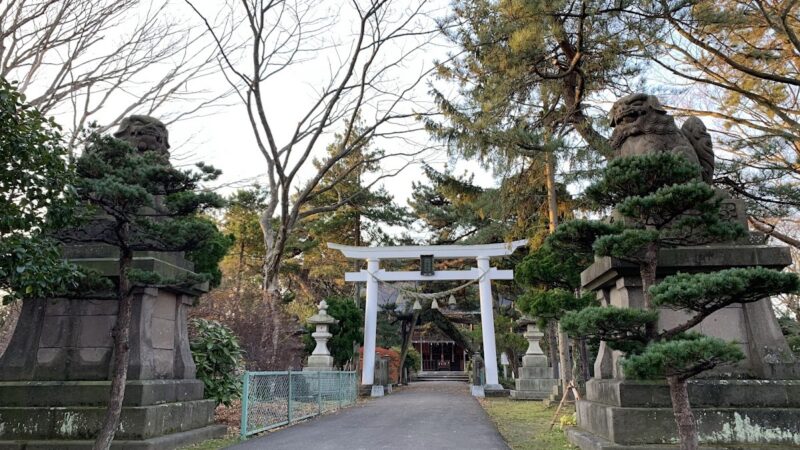
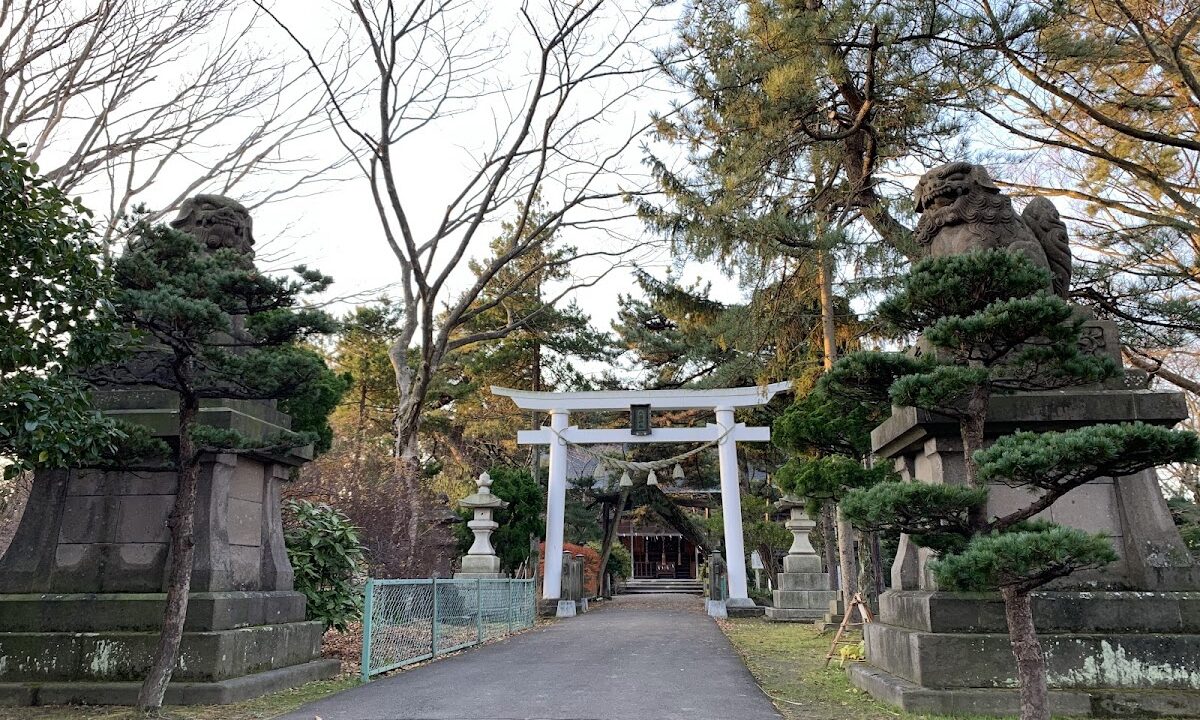
Hachiman Shrine, located in Yanagi-machi, Noshiro City, Akita Prefecture, is a historic shrine that has been cherished by the local people as the guardian shrine of Noshiro for centuries. The approach to the shrine features famous trees such as the “Inverted Pine” and the “Married Couple Pine,” and the “Good Matchmaking Pilgrimage” around the sacred trees is also popular. This article provides a detailed introduction to Hachiman Shrine, including its history, enshrined deities, benefits, highlights, goshuin information, and access methods.
What is Hachiman Shrine, the Guardian Shrine of Noshiro?
Hachiman Shrine, located in Yanagi-machi, Noshiro City, is officially called “Noshiro Guardian Hachiman Shrine” and has been revered as the general guardian shrine of Noshiro. It is a shrine where three deities—Hachiman, Sumiyoshi, and Ebisu—are enshrined together, and the area surrounding the shrine has long been known as “Sumiyoshi.”
The current shrine building was constructed during the Edo period and has a history of developing alongside the town of Noshiro. A certified children’s center is also located on the grounds, and as a shrine deeply rooted in the community, it is enveloped in a warm atmosphere filled with the cheerful voices of children every day.
Location and Basic Information of Hachiman Shrine
Address: 13-8 Yanagimachi, Noshiro City, Akita Prefecture (Some sources list it as 173 Yanagimachi)
Phone Number: 0185-52-2925
Nearest Station: Approximately 9 minutes on foot from JR Noshiro Station (approximately 647m)
Located in the heart of Noshiro City, it is also accessible on foot from the Yanagimachi parking lot.
Deities and Divine Virtues
Noshiro Chinju Hachiman Shrine enshrines multiple deities.
Main Deities
Hachiman Okami
Hachiman Okami, whose main deity is Emperor Ojin, has been revered since ancient times as the god of military fortune and victory. Also known as the tutelary deity of the Minamoto clan, it attracts widespread devotion from the samurai class to commoners.
Sumiyoshi Okami
Sumiyoshi Okami is known as the guardian deity of safe voyages and maritime traffic. Noshiro has a long history as a thriving port town, and has attracted the faith of people involved in maritime transport.
Ebisu Okami
Ebisu Okami is beloved as the god of business prosperity and fishing. Also known as one of the Seven Lucky Gods, it is revered as a god who brings good fortune.
Benefits
- Good Fortune and Prosperity: For life-changing moments and new beginnings
- Traffic Safety: Blessing of cars and prayers for safe travels
- Exorcism and Protection from Evil: Warding off misfortune during unlucky years
- Successful Relationships: Finding a good partner through a pilgrimage
- Business Prosperity: Development and prosperity of businesses
- Family Safety: Health and peace for the family
- Maritime Safety: Safety at sea and in fishing
History and Origins of Hachiman Shrine
History of Founding
The founding of Noshiro’s guardian shrine, Hachiman Shrine, is said to be related to the conquest of the Emishi. In ancient times, when the imperial court carried out conquests of the Emishi in the Tohoku region, military bases were also established in this area. Hachiman-Okami was considered a god of war and a guardian deity of the conquest, and it is believed that he was invited to Noshiro.
Development during the Edo Period
During the Edo period, Noshiro developed as an important port town of the Akita Domain. During this time, three shrines—Hachiman Shrine, Sumiyoshi Shrine, and Ebisu Shrine—were merged, establishing their current form. Sumiyoshi Shrine, in particular, attracted the fervent devotion of shipping merchants, and its influence expanded along with the prosperity of Noshiro Port.
Relocation and the Present
Throughout the Edo period, the shrine underwent several relocations (moving the shrine’s location) before finally settling in its current location in Yanagimachi. Since the Meiji era, it has continued to attract local devotion as the guardian shrine of Noshiro, and remains so to this day.
Ancient and Famous Trees of Noshiro Hachiman Shrine
Within the grounds of Hachiman Shrine, there are several valuable trees designated as ancient and famous trees by Noshiro City.
The Upside-Down Pine Tree at Sumiyoshi Shrine
Estimated Age: Over 240 years
Height: 10.3m
Circumference at Breast Height: 2.00m
Location: Within the grounds of Hachiman Shrine (173 Yanagimachi)
This pine tree, affectionately known as the “Upside-Down Pine,” is a designated ancient and famous tree of Noshiro City. Its distinctive branch structure makes it appear as if it’s growing upside down, hence its name. Having watched over the shrine grounds since the mid-Edo period, this pine tree is a popular photo spot for visitors.
The Married Couple Pine Trees
The two pine trees standing side-by-side along the approach to the shrine are called the “Married Couple Pine Trees” and are worshipped as symbols of good fortune and marital harmony. Their close embrace symbolizes the bond between husband and wife and good fortune in relationships, attracting many visitors who come to pray for these blessings.
Sacred Trees: Pine, Zelkova, and Katsura
Within the shrine grounds are three sacred trees: a pine, a zelkova, and a katsura. A popular “good fortune pilgrimage” involves visiting these trees. Each tree is believed to possess different divine virtues, and it is said that visiting them in order will bring good fortune in love.
- Pine: Symbol of longevity and prosperity
- Zelkova: Symbol of strength and growth
- Katsura: Symbol of good fortune in love and happiness
Highlights of the Shrine Grounds
Shrine Buildings
The current shrine buildings are valuable structures that preserve the style of the Edo period. Both the main hall and the worship hall are carefully maintained, conveying the beauty of traditional shrine architecture to the present day.
Shrines within the Grounds
In addition to the main hall, several subsidiary shrines (abstract shrines and minor shrines) are enshrined within the grounds. Each offers different blessings, and many visitors pray to them along with the main hall.
Certified Children’s Center
The Hachiman Shrine Certified Children’s Center is located within the shrine grounds, demonstrating the deep connection between the shrine and the local community. The cheerful voices of the children echo throughout the grounds, creating a vibrant atmosphere. The children also participate in shrine events and festivals, playing a role in the preservation of traditional culture.
Annual Festival and Events
Grand Festival
The Grand Festival of Noshiro’s Guardian Shrine, Hachiman Shrine, is a grand annual event and an important festival in Noshiro. The festival features a portable shrine procession and dedication ceremonies, attracting many parishioners and worshippers.
Annual Events
- New Year’s Visit: January 1st-3rd
- Setsubun Festival: Around February 3rd
- Spring Grand Festival: Spring
- Shichi-Go-San Festival: October-November
- Autumn Grand Festival: Autumn
- Year-End Purification Ceremony: December 31st
For detailed dates, please contact the shrine directly.
Information on Prayers
Noshiro Chinju Hachiman Shrine accepts various prayers for different milestones and wishes in life.
Main Prayer Requests
Life Cycle Rituals
- First Shrine Visit (Omiyamairi)
- Shichi-Go-San Ceremony
- Coming-of-Age Ceremony
- Exorcism Prayer
- 60th Birthday Celebration
Life Prayers
- Family Safety
- Traffic Safety (Car Blessing)
- Business Prosperity
- Good Fortune
- Success in Exams
- Recovery from Illness
Other
- Groundbreaking Ceremony
- Ridgepole Raising Ceremony
- Shinto Funeral Ceremony
- Various Purification Ceremonies
How to Apply for a Prayer
Those wishing to request a prayer are advised to contact us by phone in advance to make a reservation. While same-day registration is possible, there may be waiting times due to the schedule of Shinto rituals.
Contact Information: 0185-52-2925
Goshuin (Shrine Seal) and Goshuincho (Shrine Seal Book) Information
About Goshuin
Noshiro Chinju Hachiman Shrine offers Goshuin. Many visitors receive them as a memento of their visit and as proof of their connection with the shrine.
Offering Fee: Usually around 300-500 yen (subject to change)
Reception Hours: During shrine office hours (please inquire with the shrine for details)
Please request a Goshuin at the shrine office after your visit. There may be a short wait during busy times.
Goshuincho (Shrine Seal Book)
Please inquire directly with the shrine regarding the availability of original Goshuincho.
Manners When Receiving a Goshuin
- Always visit the shrine first: The Goshuin is proof of your visit. Please complete your visit at the main hall first.
- Prepare your Goshuincho: This is not a stamp rally. Prepare a dedicated goshuincho (stamp book).
- Polite language: Politely request a goshuin (stamp).
- Waiting posture: Wait quietly while the stamp is being written.
- Expressing gratitude: Say “Thank you” after receiving the stamp.
Access Information
Access by Train
From JR Gonō Line “Noshiro Station”
- Approximately 9 minutes on foot (approx. 647m)
- Approximately 3 minutes by taxi
Noshiro Station is approximately 1 hour from Akita Station by limited express train, and approximately 1 hour 30 minutes by local train.
Access by Car
From Akita Expressway “Noshiro Minami IC”
- Approximately 15 minutes (approx. 8km)
- Via National Route 7
From Akita City
- Head north on National Route 7, approximately 1 hour
Parking
Since parking space at the shrine is limited, it is convenient to use the nearby Yanagimachi Parking Lot (public parking lot). The shrine is just a few minutes’ walk from Yanagimachi Parking Lot.
Yanagimachi Parking Lot
- Location: Yanagimachi, Noshiro City
- Approximately 3 minutes’ walk to the shrine
- Paid parking
Nearby Tourist Attractions
There are many other sights to see in Noshiro City.
- Noshiro Port: A port facing the Sea of Japan. Famous Sunset Spots
- Noshiro Energiam Park: A facility where you can learn about energy
- Kimimachizaka Prefectural Natural Park: A famous cherry blossom spot
- Former Noshiro Restaurant Kin’yu: A nationally registered tangible cultural property
- Kaze no Matsubara: One of Japan’s largest pine forests
Manners and Etiquette for Worship
Basic Worship Etiquette
- Bow at the Torii Gate: Bow before passing through the torii gate
- Walk on the Edge of the Path: The center is considered the path for the gods
- Purify at the Water Basin:
- Take the ladle with your right hand and purify your left hand
- Switch to your left hand and purify your right hand
- Switch back to your right hand, receive water in your left hand, and rinse your mouth
- Finally, stand the ladle upright and purify the handle
- Etiquette at the Main Hall:
- Quietly place your offering in the offering box
- Ring the bell if there is one
- Two bows, two claps, one bow
- Upon Exit: After leaving the torii gate, turn around and bow once.
Regarding Attire
Casual clothing is acceptable, but please avoid revealing attire. For formal prayers, formal attire is preferable.
The History of Noshiro and Hachiman Shrine
Noshiro as a Port Town
Noshiro has long developed as an important port town facing the Sea of Japan. During the Edo period, it flourished as a port for shipping rice and timber from the Akita Domain and was also known as a port of call for Kitamae ships. Along with the development of this maritime transport, faith in Sumiyoshi-no-Okami, the god of safe voyages, deepened, leading to the development of Hachiman Shrine.
The Timber Industry and Noshiro
Noshiro is also known as the “City of Wood” and has a history of prosperity from the timber industry. Forestry and sawmilling industries developed utilizing the abundant forest resources of the surrounding area, and Hachiman Shrine has been revered as the guardian deity of the local industry.
Modern Noshiro and Hachiman Shrine
Even today, Hachiman Shrine plays a vital role as a spiritual center for the citizens of Noshiro and as a central hub of local culture. Many citizens visit the shrine for New Year’s prayers, Shichi-Go-San (a traditional rite of passage for children), and festivals, ensuring the continuation of tradition and faith.
How to Enjoy the Good Matchmaking Pilgrimage
We will introduce in detail the popular “Good Matchmaking Pilgrimage” at Hachiman Shrine.
What is the Good Matchmaking Pilgrimage?
This is a method of worship where one visits the three sacred trees within the shrine grounds—pine, zelkova, and katsura—with the belief that good matchmaking will come. It is popular not only for those seeking romantic success, but also for those wishing for good relationships in work and friendships.
How to Visit
- Praying at the Main Shrine: First, offer formal prayers at the main shrine.
- The Sacred Pine Tree: Pray for longevity and prosperity.
- The Sacred Zelkova Tree: Pray for strong growth.
- The Sacred Katsura Tree: Pray for good relationships and happiness.
- Expressing Gratitude: Finally, offer another prayer of gratitude at the main shrine.
In front of each sacred tree, quietly clasp your hands together and offer your wishes.
Hachiman Shrine in Every Season
Spring (March-May)
The cherry blossoms in the shrine grounds bloom, and the fresh greenery is beautiful. The Spring Grand Festival is held to celebrate the arrival of the new season.
Summer (June-August)
The greenery deepens, and the ancient pine and zelkova trees display their powerful presence. The shrine grounds are bustling during the summer festival.
Autumn (September – November)
The autumn leaves are beautiful, and the Autumn Grand Festival is held. It is also the season for Shichi-Go-San (a traditional Japanese rite of passage for children), and the shrine is bustling with children in their finest attire.
Winter (December – February)
The shrine grounds, covered in snow, are enveloped in a tranquil atmosphere. New Year’s events such as Hatsumode (first shrine visit of the year) and Setsubun Festival are held.
Frequently Asked Questions (FAQ)
Q1. Can I get a Goshuin (shrine stamp) at Hachiman Shrine?
A1. Yes, Noshiro Chinju Hachiman Shrine offers Goshuin. Please inquire at the shrine office after your visit. The offering fee is usually around 300 to 500 yen. We recommend contacting the shrine in advance regarding reception hours.
Q2. Is there parking available?
A2. Since parking space at the shrine is limited, it is convenient to use the nearby Yanagimachi Parking Lot (public parking lot). The shrine is approximately a 3-minute walk from Yanagimachi Parking Lot. During busy periods such as New Year’s Day and festivals, we recommend using public transportation.
Q3. Is a reservation required for exorcism or Shichi-Go-San prayers?
A3. We recommend making a reservation in advance by phone (0185-52-2925). While same-day registration is possible, there may be waiting times due to the schedule of Shinto rituals. Especially during the Shichi-Go-San season (October-November) and the unlucky year period, congestion is expected, so reservations are highly recommended.
Q4. How should I perform the good fortune pilgrimage?
A4. First, formally pray at the main shrine, then visit the three sacred trees on the grounds—pine, zelkova, and katsura—in order. Quietly clasp your hands together in front of each sacred tree and make your wish. This is a popular method of worship not only for romantic success, but also for those wishing for good relationships in work and friendships.
Q5. Is it within walking distance from Noshiro Station?
A5. Yes, it’s accessible in about 9 minutes on foot (approximately 647m) from JR Noshiro Station. Exit the station and head towards the city center, aiming for Yanagimachi. If you’re unsure of the route, you can also take a taxi from the station (approximately 3 minutes).
Q6. Where is the Sakasa-matsu (Inverted Pine Tree) located?
A6. The Sakasa-matsu is located within the grounds of Hachiman Shrine. It’s a valuable ancient tree estimated to be over 240 years old and designated as an ancient and famous tree of Noshiro City. It’s located near the approach to the shrine and is easily recognizable by its distinctive branch structure. It’s also a popular photo spot.
Q7. How crowded is it during the New Year’s visit?
A7. From New Year’s Day to the third day, many worshippers visit from both within and outside Noshiro City, resulting in crowds. The peak of the crowds is especially in the morning and around midnight on New Year’s Day. If you want to visit at a more leisurely pace, it’s recommended to avoid the first three days of the year or visit in the early morning or evening.
Q8. I understand there is a certified children’s center on the shrine grounds. Does this affect worship?
A8. The Hachiman Shrine Certified Children’s Center is located on the shrine grounds, but it does not particularly affect worship. During weekdays, you can hear the cheerful voices of the children, creating a lively atmosphere. It is a facility that symbolizes the deep connection between the shrine and the community, and is warmly watched over.
Summary
The Noshiro Chinju Hachiman Shrine, located in Yanagimachi, Noshiro City, Akita Prefecture, is a historical shrine that enshrines Hachiman Okami, Sumiyoshi Okami, and Ebisu Okami. It has a long history dating back to the time of the subjugation of the Emishi people, and during the Edo period, it attracted the faith of the community along with the development of the port town of Noshiro.
The shrine grounds contain ancient and famous trees, including the “Inverted Pine,” which is estimated to be over 240 years old. The “Good Matchmaking Pilgrimage,” which circles the sacred trees, is popular with worshippers praying for good fortune in love. This shrine offers various blessings, including good fortune, traffic safety, protection from evil, and business prosperity, attracting many citizens at important life events.
Its convenient location, just a 9-minute walk from JR Noshiro Station, is another draw, and it also offers Goshuin (shrine stamps). With a certified children’s center on-site, it remains a deeply rooted community shrine, harmoniously blending tradition and modernity, and continues to attract unwavering devotion.
When visiting Noshiro, we highly recommend paying your respects at Noshiro Chinju Hachiman Shrine and offering a peaceful prayer in its historic grounds. You’re sure to find solace in the peaceful atmosphere, watched over by ancient pine trees.