Hiyoshi Shrine (Noshiro City, Akita Prefecture) Complete Guide | History, Deities, Goshuin (Shrine Seal), and Access Information
Hiyoshi Shrine, located in Noshiro City, Akita Prefecture, is a historic shrine that has been cherished by the local community for centuries. This article provides detailed information you should know before visiting, including the shrine’s history, enshrined deities, blessings, highlights of the grounds, annual events, goshuin information, and access methods.
Overview and Basic Information of Hiyoshi Shrine
Hiyoshi Shrine is located in Noshiro City, Akita Prefecture, and has long been revered as the local guardian deity. Noshiro City is located in the northwestern part of Akita Prefecture and is blessed with abundant nature, including the Shirakami Mountains and the Yoneshiro River. Hiyoshi Shrine, situated in this area, plays an important role as a spiritual center for the local residents.
Basic Data
- Location: Noshiro City, Akita Prefecture
- Deities Enshrined: Oyamakui-no-kami and others
- Shrine Rank: Village Shrine
- Annual Festival Days: Multiple festivals are held throughout the year
History and Origins of Hiyoshi Shrine
The founding of Hiyoshi Shrine is recounted through local records and oral traditions. As one of approximately 3,800 Hiyoshi, Hie, and Sanno shrines nationwide, it belongs to a lineage with Hiyoshi Taisha in Omi Province (present-day Shiga Prefecture) as its head shrine.
Spread of Hiyoshi Faith in the Noshiro Region
In the northern region of Akita Prefecture, including Noshiro City, mountain worship and nature worship have been prevalent since ancient times. The deity enshrined at Hiyoshi Shrine, Oyamakui-no-kami, is revered as the “God of Mountains,” and in this region, where agriculture and forestry flourished, it has been a central center of faith for praying for abundant harvests and safety in the mountains.
During the Edo period, Noshiro prospered as an important port town of the Akita Domain and was known as a center for the collection and distribution of timber. During this period, along with the prosperity of the region, faith in Hiyoshi Shrine deepened, and it is said that many worshippers visited the shrine.
Changes After the Meiji Era
With the Meiji-era separation of Shinto and Buddhism, shrines throughout Japan underwent significant changes. Hiyoshi Shrine was no exception, and under the modern shrine ranking system, it was positioned as a village shrine. Since then, it has been carefully protected by parishioners and worshippers as the guardian deity of the region.
Deities and Benefits
Main Deity: Oyamakui-no-kami
Oyamakui-no-kami is one of the main deities of Hiyoshi Taisha Shrine and is widely worshipped as a mountain god and local guardian deity. The character “kui” means “to drive a stake,” and is said to represent the act of driving a stake into a mountain to claim ownership. Therefore, the deity is considered a guardian deity of national development and industry.
Expected Benefits
Hiyoshi Shrine is believed to offer the following benefits:
- Abundant Harvest and Business Prosperity: For those wishing for the development of agriculture and commerce
- Family Safety and Protection from Evil and Good Fortune: To protect the health and happiness of family members
- Mountain Safety and Traffic Safety: To pray for safe travels and safe daily passages
- Protection from Evil and Groundbreaking Ceremony: For the safety of land during construction or relocation
- Matchmaking and Marital Harmony: For those wishing for good relationships and a harmonious family life
Highlights of the Shrine Grounds
Shrine Architecture
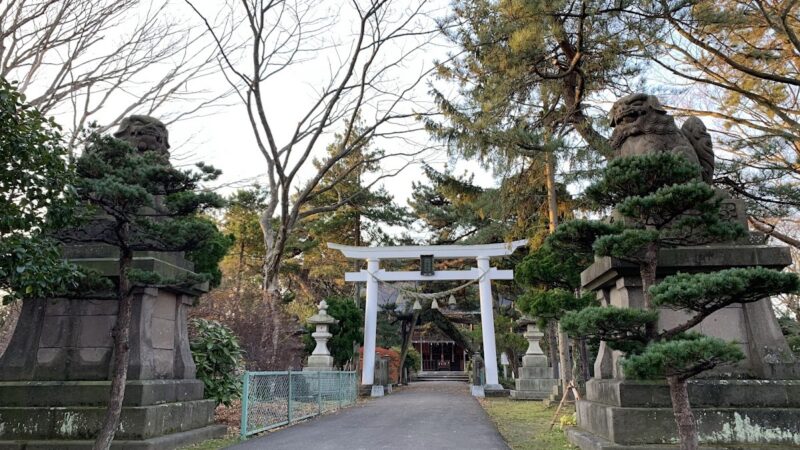
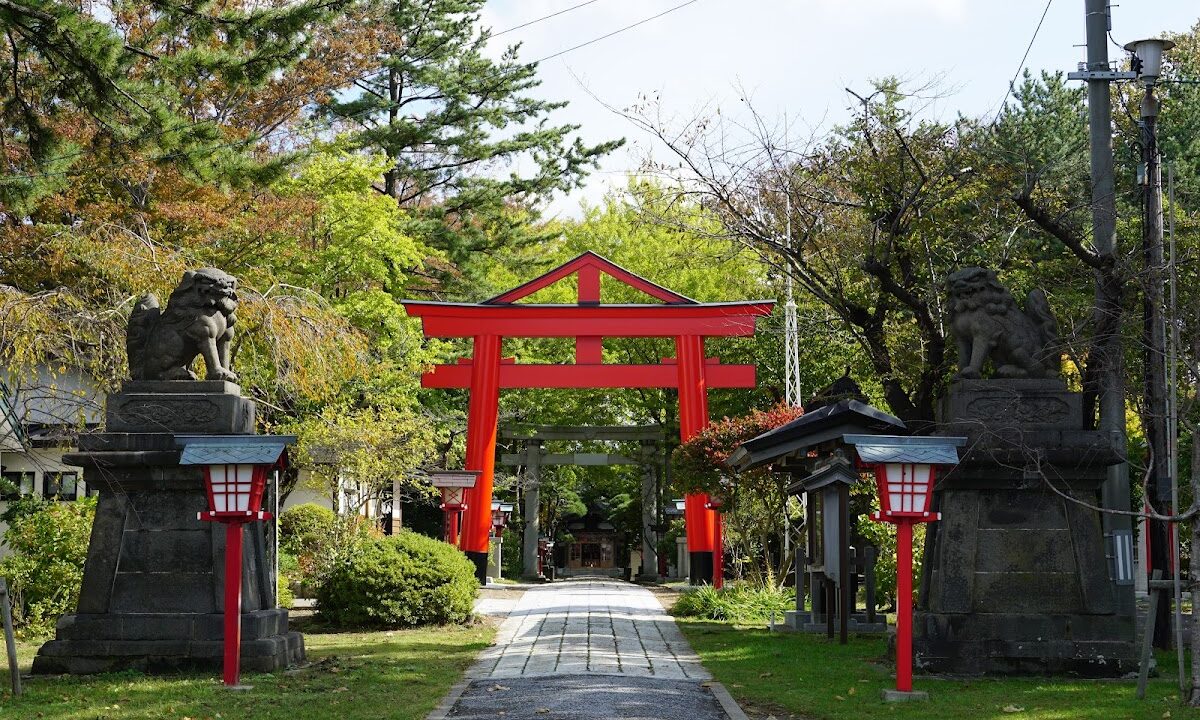
The shrine buildings of Hiyoshi Shrine feature characteristics of traditional local shrine architecture. Both the main hall and the worship hall are built to suit the local climate and environment, and are robust structures that can withstand the harsh winters of Noshiro, a heavy snowfall area.
Nature of the Shrine Grounds
The shrine grounds are lush with ancient trees, offering beautiful scenery throughout the seasons. Especially during the fresh greenery of spring and the vibrant autumn foliage, the shrine delights visitors. The tranquil atmosphere allows for peaceful and calm worship.
Stone Monuments and Memorials
Within the shrine grounds, there are stone monuments and memorials that tell the story of the region’s history. These are valuable historical documents that convey not only the history of the shrine but also the development of the Noshiro region.
Annual Events and Grand Festivals
Hiyoshi Shrine holds various Shinto rituals and festivals throughout the year.
Main Annual Events
- New Year’s Day Festival (January 1st): Praying for safety and prosperity in the new year
- Spring Grand Festival: Praying for a bountiful harvest with the arrival of spring
- Summer Purification Ceremony (June 30th): Cleansing away the sins and impurities of the past six months
- Autumn Grand Festival: Expressing gratitude for the harvest and praying for the prosperity of the region
- Year-End Purification Ceremony (December 31st): Cleansing away the sins and impurities of the past year
Scenes from the Grand Festival
The Grand Festival often includes a portable shrine procession and dedication ceremonies, with local residents coming together to enliven the festival. It is a valuable opportunity to experience the traditional culture of the Noshiro region.
Goshuin (Shrine Seal) Information
Regarding the Issuance of Goshuin
It is recommended to check in advance regarding the issuance of Goshuin at Hiyoshi Shrine. Some shrines may not have a resident priest, or they may only be available on specific dates and times.
Manners for Receiving a Goshuin (Temple/Shrine Seal)
When receiving a Goshuin, please observe the following manners:
- Complete your prayers first before receiving the Goshuin.
- Prepare your Goshuincho (stamp book) and make your request politely.
- Prepare the offering fee (typically 300-500 yen).
- Wait quietly while the Goshuin is being written.
- Express your gratitude after receiving the Goshuin.
Access Methods
Access by Public Transportation
By JR:
- Get off at Noshiro Station on the JR Gonō Line.
- Take a taxi or local bus from the station.
- Travel time varies depending on your location within the city.
By Bus:
- Local buses operating within Noshiro City are available.
- Access is on foot from the nearest bus stop.
Access by Car
By Expressway:
- From Noshiro Minami IC or Noshiro Higashi IC on the Akita Expressway, head towards the city center.
- Enter the shrine name or address into your car navigation system.
Parking:
- There may be parking spaces for visitors within the shrine grounds or nearby.
- During major festivals, congestion is expected, so please allow ample time for your visit.
Manners and Etiquette for Visiting a Shrine
Basic Etiquette for Visiting a Shrine
When visiting Hiyoshi Shrine, please observe the following etiquette:
- Bow before passing through the torii gate: A courtesy before entering the sacred area.
- Purify yourself at the water basin: Purify your left hand, right hand, and mouth in that order, and finally wash the handle of the ladle.
- Walk along the edge of the path: The center is considered the path for the gods.
- Etiquette in front of the main hall:
- Quietly place your offering in the offering box.
- Ring the bell if there is one.
- Two bows, two claps, one bow (bowing deeply twice, clapping twice, bowing deeply once).
- Bow as you leave the torii gate: Expressing gratitude
Attire for Visiting the Shrine
Unless you are receiving a special prayer, everyday clothing is acceptable for visiting the shrine. However, clean and presentable attire is desirable, as it is a sacred place.
Places to Visit Alongside Noshiro City’s Tourist Attractions
Visiting Noshiro City’s tourist attractions in conjunction with your visit to Hiyoshi Shrine is highly recommended.
Noshiro Energiam Park
A public relations facility adjacent to the Noshiro Thermal Power Plant, where you can learn about energy in a fun way. The observation deck offers panoramic views of the Sea of Japan.
Former Noshiro Restaurant Kin’yu
A former restaurant building designated as a nationally registered tangible cultural property. You can tour the luxuriously decorated grand hall and sukiya-style guest rooms.
Kimimachizaka Prefectural Natural Park
A scenic spot where the Yoneshiro River and a cliff approximately 70 meters high interspersed. Also known as a famous cherry blossom viewing spot.
Noshiro Basketball Museum
A facility showcasing the history and culture of Noshiro, a city known for basketball. The glorious history of the Noshiro Technical High School basketball team is also on display.
History and Culture of Noshiro City
History of Noshiro, the City of Wood
Noshiro City is known as the “City of Wood” and has prospered since ancient times through forestry and the timber industry. The thriving timber transport using the Yoneshiro River led to its development as a center for the collection and distribution of Akita cedar. This history is deeply intertwined with the faith of Hiyoshi Shrine, and reverence for the mountain gods forms the foundation of the local culture.
Traditional Events of Noshiro
Every August, Noshiro City holds the “Noshiro Tanabata: The Sky’s Sleepless Castle” festival. This magnificent festival, featuring large lanterns reaching 17.6 meters in height parading through the streets, preserves the region’s traditional culture.
Surrounding Shrines and Temples
Nearby Noshiro City and its surrounding areas are dotted with other historical shrines and temples.
Hiyoshi Shrine (Other Hiyoshi Shrines in Noshiro City)
There may be multiple Hiyoshi Shrines located within Noshiro City. Each is revered as the local guardian deity.
Other Shrines
- Hachiman Shrine: Worshipped as the god of military fortune
- Suwa Shrine: The god who controls wind and rain, and the guardian deity of agriculture
- Inari Shrine: The god of business prosperity, attracting the faith of merchants
Seasonal Ways to Enjoy
Spring (March-May)
As the snow melts, the trees in the shrine grounds begin to bud, creating a beautiful season of fresh greenery. During the cherry blossom season, you can enjoy cherry blossom viewing in and around the shrine grounds.
Summer (June-August)
The lush green grounds offer a cool space that makes you forget the summer heat. During the Summer Purification Ceremony, people purify themselves of the impurities accumulated over the past six months and pray for good health and protection from illness for the remaining half of the year.
Autumn (September – November)
The autumn leaves color the temple grounds, making it one of the most beautiful seasons. The Autumn Grand Festival is held to express gratitude for the harvest.
Winter (December – February)
The temple grounds, covered in snow, exude a sacred atmosphere enveloped in silence. The New Year’s Day festival is a solemn yet warm event.
Precautions When Visiting
Visiting in Winter
Noshiro City is a heavy snowfall area, and caution is necessary regarding snow accumulation and icy roads during winter. Please keep the following points in mind:
- Wear non-slip shoes
- Take sufficient precautions against the cold
- Walk carefully on snowy paths within the temple grounds
- If accessing by car, use winter tires
Crowds During Festivals and Other Times
During festivals and New Year’s visits, the temple is visited by more people than usual. Please keep the following points in mind:
- Visit with plenty of time to spare
- Consider using public transportation, taking into account potential parking congestion
- Remember to be considerate of other visitors
- Follow the shrine’s instructions and guidance
Inquiries about Hiyoshi Shrine
For detailed information regarding visiting hours, prayer requests, issuance of Goshuin (shrine stamps), and annual events, we recommend contacting the shrine directly or obtaining information through the Noshiro City Tourism Association.
Examples of Contact Information
- Noshiro City Tourism Association: Provides general information on tourism in Noshiro City
- Noshiro City Hall: Provides basic information on shrines in the city
- Akita Prefecture Branch of the Association of Shinto Shrines: Provides official information on shrines in Akita Prefecture
Summary: The Significance of Visiting Hiyoshi Shrine
Hiyoshi Shrine in Noshiro City, Akita Prefecture, is an important place of worship that conveys the history and culture of the region to the present day. Hiyoshi Shrine, dedicated to the mountain god Oyamakui-no-kami, attracts many visitors seeking blessings for abundant harvests, family safety, business prosperity, and more.
When visiting Noshiro City, be sure to stop by Hiyoshi Shrine. Cleanse your soul in its tranquil grounds and immerse yourself in the region’s history and culture. You’ll experience a truly enriching time surrounded by the beautiful nature of the four seasons and the warm faith of the local people.
We hope that your visit will provide an opportunity to experience traditional Japanese faith and culture, and to express gratitude for your daily life. May Hiyoshi Shrine be a place of peace and renewed vitality for you.