Complete Guide to Haguro Shrine (Akita Prefecture, Akita City) | Detailed Explanation of History, Deities, and Visiting Information
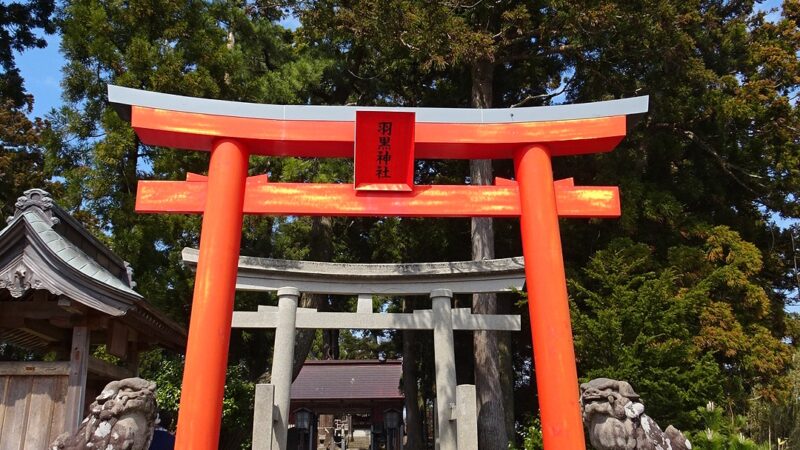
Located in Niida Shinden, Akita City, Akita Prefecture, Haguro Shrine is a venerable shrine with a long history dating back to the Tenpyo era. Said to have been founded by the monk Gyoki, and deeply connected to historical figures such as Minamoto no Yoriyoshi and General Tamura, this shrine remains a beloved guardian deity of the region.
This article comprehensively covers everything you want to know about Haguro Shrine, including its detailed history, enshrined deities, visiting etiquette, annual festival calendar, and its relationship with the Akita Prefectural Shrine Association.
Basic Information, Location, and Map of Haguro Shrine
Haguro Shrine is located in the Niida Shinden area in the southern part of Akita City, Akita Prefecture. It is one of the shrines registered with the Akita Prefectural Shrine Association and has long been revered as the local tutelary deity.
Location Information
- Address: Niida Shinden, Akita City, Akita Prefecture
- Jurisdiction: Akita Prefectural Shrine Association
- Shrine Rank: Village Shrine (Former Shrine Rank)
Access to the shrine is approximately 15 minutes by car from the center of Akita City. If using public transportation, the route from Akita Station towards Niida is convenient. The surrounding area is a quiet environment with residential areas and rural landscapes, allowing for a peaceful atmosphere for worship.
History and Background of Haguro Shrine
The history of Haguro Shrine is ancient, dating back to the Tenpyo era (729-749). Throughout its long history, it has had connections with numerous samurai and monks, making it one of the important shrines in the history of Akita.
Founding and Early History
It is said to have been founded during the Tenpyo era by the monk Gyoki. At that time, it was located in a different place than its current location, in a place commonly known as Marumon in Nagaoka Sasajima. The original name of the shrine was “Hagurosan Denraiji,” indicating a syncretic form of Shinto-Buddhist religion.
Gyōki (668-749) was a renowned high priest of the Nara period, involved in the construction of temples and shrines throughout Japan. He also left his mark in the Tohoku region, and the founding of Haguro Shrine is thought to have been part of his activities.
Development during the Heian Period
Events of Enryaku 12 (793)
In Enryaku 12 (793), when the Eastern barbarians revolted, General Tamura (Sakanoue no Tamuramaro) led a campaign to subdue them. Records indicate that General Tamura, having achieved victory in this battle, was deeply moved by the divine power of Haguro Shrine and renovated the shrine buildings. Sakanoue no Tamuramaro was a military commander who, under the orders of Emperor Kanmu, carried out the subjugation of the Emishi and played a significant role in the pacification of the Tohoku region.
Renovations in 852 (Ninju 2)
In 852 (Ninju 2), the monk Tanjin (Jikaku Daishi Ennin) visited this shrine during his tour of Oshu and is said to have repaired its former dilapidated state. Jikaku Daishi was a high-ranking priest of the Tendai sect and is known for founding many temples in the Tohoku region. It is believed that the renovations during this period further enhanced the shrine’s appearance.
Deep Connections with the Minamoto Clan
Construction in 1050 (Eisho 5)
In 1050 (Eisho 5), Minamoto no Yoriyoshi constructed this shrine during his campaign against Abe no Yoriyoshi. This was on the eve of the Former Nine Years’ War (1051-1062), a period when Minamoto no Yoriyoshi was developing shrines throughout the Tohoku region as a base for his administration.
Repairs in 1062 (Kohei 5)
In 1062 (Kohei 5), Minamoto no Yoriyoshi prayed for victory during his campaign against Abe no Sadato and had the shrine buildings repaired. During the final stages of the Former Nine Years’ War, Haguro Shrine played a role as a place of prayer for the Minamoto clan. It is presumed that repairs during this period significantly improved the shrine’s size and status.
From the Medieval to the Early Modern Period
While detailed records from the medieval period onward are limited, the shrine continued to exist as a center of local faith. During the Edo period, it is believed to have received patronage from the Kubota Domain (Akita Domain) and become established as the local tutelary shrine.
Changes After the Meiji Era
Due to the Meiji-era separation of Shinto and Buddhism, the shrine’s name was changed from the temple-like “Hagurosan Denraiji” to “Haguro Shrine.” During this period, the shrine ranking system was established, and it was designated a village shrine. After World War II, it became a religious corporation belonging to the Akita Prefectural Shrine Association, where it remains today.
Deities and Divine Virtues
The deities enshrined at Haguro Shrine are thought to be related to the Dewa Sanzan (Mount Haguro, Mount Gassan, and Mount Yudono). Generally, Haguro Shrines often enshrine the following deities, and it is presumed that our shrine also follows a similar form of worship.
Main Deities Enshrined
Ukanomitama-no-Mikoto
- God of abundant harvests and business prosperity
- Widely worshipped as Inari-sama
Ideha-no-Kami
- Deity of Dewa Province
- Divine protector of the region
Oyamatsumi-no-Mikoto
- God of mountains and industry
- Related to the Dewa Sanzan faith
Divine Virtues
Haguro Shrine is believed to offer the following divine virtues:
- Abundant Harvests: Prayers for agricultural development and bountiful harvests
- Family Safety: Health and peace for the family
- Business Prosperity: Development and success of businesses
- Protection from Misfortune and Good Fortune: Warding off disasters and inviting good fortune
- Regional Protection: Peace and tranquility for the parishioners’ communities
Shrine Visiting Etiquette and Life Rituals
There are proper manners for visiting a shrine. When visiting Haguro Shrine, following the following etiquette will allow for a more heartfelt visit.
Basic Etiquette for Visiting a Shrine
1. How to Pass Through the Torii Gate
- Bow before passing through the torii gate.
- Walk along the edge of the path, as the center is the path for the gods.
2. How to Wash Your Hands
- Take the ladle with your right hand and wash your left hand.
- Switch the ladle to your left hand and wash your right hand.
- Switch the ladle back to your right hand, receive water in your left hand, and rinse your mouth.
- Wash your left hand again.
- Hold the ladle upright, wash the handle, and return it to its original position.
3. Worship at the Main Hall
- Quietly place your offering in the offering box.
- Ring the bell if there is one.
- Perform the two bows, two claps, one bow (two deep bows, two claps, one deep bow).
Life Rituals and Shrines
Shrines play an important role at milestones in life. The following life rituals are performed at Haguro Shrine.
First Shrine Visit (Omiyamairi)
- Performed around 30 days after birth
- Prayers for the baby’s healthy growth
Shichi-Go-San (7-5-3 Festival)
- Celebrates the growth of children at ages 3, 5, and 7
- Visits the shrine around November 15th
Exorcism Prayer
- Performed during unlucky years
- At ages 25, 42, and 61 for men, and 19, 33, and 37 for women (by traditional Japanese age counting)
Wedding Ceremony
- Performing a Shinto wedding ceremony
- Reporting the marriage vows to the gods
Festival Calendar and Annual Events
Haguro Shrine holds various festivals throughout the year. These festivals are important opportunities to preserve local traditions and deepen bonds with parishioners and visitors.
Main Annual Festivals
Spring Grand Festival
- Date: Around April-May
- Content: Celebrating the arrival of spring and praying for a bountiful harvest
Summer Purification Ceremony
- Date: June 30th
- Content: A Shinto ritual to purify and cleanse away the sins and impurities accumulated over the past six months
- May include events such as passing through a ring of reeds
Autumn Grand Festival
- Date: Around September-October
- Content: Expressing gratitude for the harvest and praying for the prosperity of the region
- May include a portable shrine procession and offering ceremonies
Niiname-sai (Harvest Festival)
- Date: November 23rd
- Content: A festival to express gratitude for the year’s harvest
- The Akita Prefectural Shrine Association also holds events such as the rice field harvesting ceremony
Year-End Purification Ceremony
- Date: December 31st
- Content: Purification and cleansing of sins and impurities accumulated over the past year
New Year’s Day Festival
- Date: January 1st
- Content: Celebrating the New Year and praying for the prosperity of the Imperial Family and the peace and security of the nation
Monthly Festival
Monthly festivals are held on the 1st and 15th of each month, praying for daily peace and the well-being of the parish community.
Architectural Rituals and Mourning Periods
Architectural Rituals
Haguro Shrine also performs architectural rituals for new construction and renovations.
Groundbreaking Ceremony
- Prayers for the safety of construction and the security of the building
- A ceremony to obtain permission from the land gods for construction
Roof-Raising Ceremony
- A ceremony held when the roof is raised
- Prayers for the completion of the building and its long-lasting prosperity
Completion Ceremony
- Held upon completion of the building
- Offering gratitude and praying for the building’s safety
Mourning Period and Shrine Visits
In Shinto, death is considered impure, so it is common to refrain from visiting shrines during the mourning period.
Duration of Mourning
- Parents/Spouse: 50 days
- Grandparents/Siblings: 30 days
- Uncles/Aunts: 20 days
After the mourning period ends, it is possible to visit shrines. However, it is customary to refrain from participating in celebrations during the mourning period (1 year).
Relationship with the Akita Prefectural Shrine Association
Haguro Shrine is one of the shrines belonging to the Akita Prefectural Shrine Association. The Akita Prefectural Shrine Association oversees shrines within the prefecture and promotes Shintoism and trains Shinto priests.
Role of the Akita Prefectural Shrine Association
Duties
- Management and guidance of shrines within the prefecture
- Training and education of Shinto priests
- Distribution of Jingu Taima (amulets from Ise Grand Shrine)
- Holding of conferences for shrine officials
- Dissemination of Shintoism trivia
Main Events
- Shrine Association Annual Festival
- Ceremony to Report the Start of Distribution of Jingu Taima Calendar
- Akita Prefectural Conference for Shrine Officials
- 70th Anniversary Conference of the Akita Prefectural Association of Shrine Representatives (scheduled for 2025)
Collaboration with Shrines within the Prefecture
Many shrines belong to the Akita Prefectural Shrine Association, and Haguro Shrine is one of them, continuing to protect local faith. It contributes to the promotion of shrine culture throughout the prefecture through the protection of cultural properties within the prefecture and the publication of the Akita Prefectural Shrine Calendar.
Let’s enshrine the Jingu Taima
Jingu Taima are amulets from Ise Grand Shrine. These are amulets of Amaterasu Omikami, the tutelary deity of all Japanese people. By enshrining them in the household shrine, one prays for the safety of the home and the prosperity of the family.
The Significance of Jingu Taima
Jingu Taima are distributed through shrines throughout Japan, and are also available at Haguro Shrine. Replacing the amulet with a new one each year allows one to welcome the new year with a pure heart.
How to Worship at a Shinto Altar
Location of the Shinto Altar
- A clean place (such as a living room or guest room)
- Higher than eye level
- Facing south or east
Arrangement of Amulets (in the case of a three-shrine altar)
- Center: Ise Grand Shrine amulet
- Right: Amulet of your local guardian deity
- Left: Amulet of a revered shrine
Offerings
- Offer rice, salt, and water daily
- Add sake, mochi, etc. on the 1st and 15th of each month
“Shrine Master for Children”
The Akita Prefectural Shrine Association is working to help children learn about shrines and Shinto in a fun way. The “Shrine Master for Children” program introduces the history of shrines, proper worship etiquette, and the meaning of festivals in an easy-to-understand way.
Knowledge about Shrines to Share with Children
What kind of place is a shrine?
- A place to enshrine gods
- A place where local people gather
- A place to learn to cherish nature
How to enjoy festivals
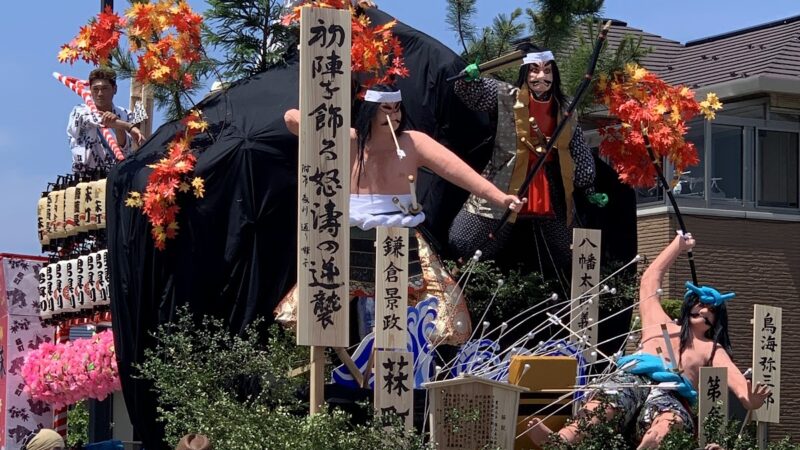
- See the portable shrines and floats
- Enjoy food at the stalls
- Experience local traditions
Rules to observe at shrines
- Worship quietly
- Cherish nature
- Be grateful
Attractions around Haguro Shrine
There are other places worth visiting around the Niida district of Akita City, where Haguro Shrine is located.
Major Shrines in Akita City
Taiheizan Miyoshi Shrine
- The main guardian shrine of Akita City
- Worshipped as a god of strength
Yataka Shrine
- Dedicated to the Satake clan, lords of the Akita domain
- A place to learn about the history of Akita City
Cultural Facilities
Akita Prefectural Museum
- Exhibits the history and culture of Akita
- Also houses materials related to shrines
Akita City Folk Performing Arts Transmission Center
- Preservation and transmission of traditional performing arts
- A place to learn about the connection to shrine festivals
Page for Shinto Priests Only *Password Required*
The Akita Prefectural Shrine Association website has a page exclusively for Shinto priests. This page contains important information for Shinto priests and requires a password to access.
Contents of the Page for Shinto Priests Only
- Announcements from the Association of Shinto Shrines
- Training Session Information
- Downloadable Forms
- Information Sharing Among Shinto Priests
- Materials Related to Rituals
This information is essential for Shinto priests to properly manage shrines and conduct rituals.
Related Links
We introduce related information for those who want to know more about Haguro Shrine and other shrines in Akita Prefecture.
Official Website
Akita Prefecture Shrine Association
- Search function for shrines in the prefecture
- Trivia about shrines and Shinto
- Information on annual events
- Information on Ise Grand Shrine amulets and household altars
Related Organizations
Association of Shinto Shrines
- An organization encompassing shrines nationwide
- Basic knowledge about Shinto
Dewa Sanzan Shrine
- Located on Mount Haguro in Yamagata Prefecture
- Connection to Haguro Shrine in Akita Prefecture
Tourism Information
Akita Prefecture Comprehensive Tourism Guide
- Tourist spots in Akita Prefecture
- Festival and event information
Akita City Tourism Portal Site
- City attractions
- Gourmet information
Points to Know When Visiting Haguro Shrine
We have compiled points you should know when visiting Haguro Shrine.
Best Time to Visit
Spring (April-May)
- During the Spring Grand Festival
- A season of beautiful fresh greenery
Autumn (September-October)
- During the Autumn Grand Festival
- A time to enjoy the autumn foliage
New Year’s (January 1st-3rd)
- The time for the first shrine visit of the year
- Ideal for New Year’s prayers
Attire for Visiting
Regular Visit
- No particular restrictions as long as the clothing is clean
- Avoid excessive exposure
When Receiving Prayer
- Slightly more formal attire is preferable
- Suits for men, dresses for women, etc.
Photography Etiquette
- Refrain from taking photos inside the main hall
- Do not disturb other worshippers
- Respect the sacred atmosphere
Akita’s Shrine Culture and Haguro Shrine
Akita Prefecture has its own unique shrine culture. Haguro Shrine plays a part in this, continuing to preserve local traditions. ### Characteristics of Shrines in Akita Prefecture
Connection to Nature Worship
- Influence of Mountain Worship
- Rich Natural Environment
- Seasonal Festivals
Deep Connection to Agriculture
- Prayers for Abundant Harvests
- Rice Planting and Harvest Festivals
- Water Deity Worship
Center of Local Communities
- Activities of Parishioners’ Organizations
- Interaction through Festivals
- Preservation of Tradition
The Role of Shrines in Modern Society
In modern society, shrines are not merely places of worship, but also play the following roles:
A Place of Spiritual Support
- Healing of the mind in a tranquil space
- Prayer at life’s milestones
- Mental stability
Cultural Inheritance
- Preservation of traditional events
- Transmission of local history
- Education of Japanese culture
Regional Revitalization
- Utilization as a tourist resource
- Holding of local events
- Strengthening of community bonds
Summary
Haguro Shrine, located in Niida Shinden, Akita City, Akita Prefecture, is a venerable shrine with a history of over 1200 years since its founding during the Tenpyo era. Beginning with its founding by the monk Gyoki, it has been associated with important historical figures such as Sakanoue no Tamuramaro, Jikaku Daishi, and Minamoto no Yoriyoshi, and has walked hand in hand with the history of Akita.
Currently, it belongs to the Akita Prefectural Shrine Association and, as the local guardian deity, holds various festivals throughout the year, attracting the faith of parishioners and worshippers. Haguro Shrine is believed to bestow blessings such as abundant harvests, family safety, and business prosperity, and various rituals for important life events are performed there.
Visiting a shrine is not just about making wishes; it’s a valuable opportunity to experience traditional Japanese culture and purify your soul. When you visit Akita City, be sure to visit Haguro Shrine and experience its history and tranquil atmosphere. By observing proper worship etiquette and offering your prayers with gratitude, you will have a more fulfilling experience.
The Akita Prefectural Shrine Association strives to promote shrine culture through various means, including guides to shrines in the prefecture, trivia about Shinto, and a children’s program to teach children about shrines. It is important to learn about traditional Japanese culture and local history through Haguro Shrine and other shrines in Akita Prefecture, and to pass this knowledge on to future generations.