Complete Guide to Shinmei Shrine (Tsuchizaki Minato Chuo, Akita City, Akita Prefecture) | The Charm of the Tsuchizaki Shinmei Shrine Festival’s Float Procession and UNESCO Intangible Cultural Heritage
Shinmei Shrine (commonly known as Tsuchizaki Shinmei Shrine), located in Tsuchizaki Minato Chuo, Akita City, Akita Prefecture, is a venerable shrine with a history of over 400 years. The float procession of the Tsuchizaki Shinmei Shrine Festival, held every July, is designated as a National Important Intangible Folk Cultural Property and is also recognized internationally as one of the UNESCO Intangible Cultural Heritage “Mountain, Float, and Festival Processions.” This article comprehensively introduces information you should know before visiting, including the history of Tsuchizaki Shinmei Shrine, highlights of the grounds, festivals, goshuin (shrine stamp) information, and access methods.
History and Origins of Tsuchizaki Shinmei Shrine
Founding History
The founding of Tsuchizaki Shinmei Shrine dates back to Genna 6 (1620). It is said that the shrine’s origins lie in the relocation of the Shinmei-sama deity, which he had worshipped as his tutelary god, to the site of the former Minato Castle, by Sojiro Kawaguchi, who served as the town official (kimoiri) of Tsuchizaki Port at the time.
Minato Castle was a castle built by the Ando clan in the Middle Ages and served as their base for governing the Tsuchizaki Port area. By relocating the Shinmei-sha shrine to this historic site, it was positioned as the guardian shrine for the entire town of Tsuchizaki Port.
Relationship between Tsuchizaki Port and Shinmei-sha Shrine
During the Edo period, Tsuchizaki Port flourished as an outer port of the Akita Domain and became a center for the collection and distribution of goods as a port of call for Kitamae-bune ships. Along with the development of commerce, Tsuchizaki Shinmei-sha Shrine has attracted the faith of local residents as a guardian deity watching over the prosperity of the port town.
The float procession of the Tsuchizaki Shinmei Shrine Festival, nurtured within the vibrant culture unique to a port town, developed as a festival symbolizing the wishes of merchants and sailors for abundant catches and business prosperity, as well as the unity of the local community.
Former Shrine Rank and Current Status
Under the modern shrine ranking system of the Meiji era, Tsuchizaki Shinmei Shrine was ranked as a prefectural shrine. This indicates that it was recognized as a highly prestigious shrine within Akita Prefecture. Even today, it remains one of Akita City’s representative shrines, welcoming many worshippers.
Deities and Divine Virtues
Main Deity: Amaterasu Omikami
The main deity enshrined at Tsuchizaki Shinmei Shrine is Amaterasu Omikami. Also known as Amaterasu Omikami, she is the supreme deity of Japanese mythology, known as the goddess personifying the sun. She is the ancestral deity of the Imperial family, enshrined in the Inner Shrine of Ise Grand Shrine, and is worshipped at Shinmei Shrines and Shinmei-gu shrines throughout Japan.
Divine Virtues
The divine virtues of Amaterasu Omikami are multifaceted:
- National Peace and Security, Good Fortune and Prosperity: As the supreme deity, she has the power to grant all wishes.
- Abundant Harvests: As the sun goddess, she protects agriculture.
- Family Safety: Peace and prosperity for the home.
- Protection from Evil and Disaster: The power to ward off evil spirits and purify.
- Business Prosperity: As the guardian deity of the port town, she watches over the development of commerce.
Highlights of the Shrine Grounds
Shrine Buildings
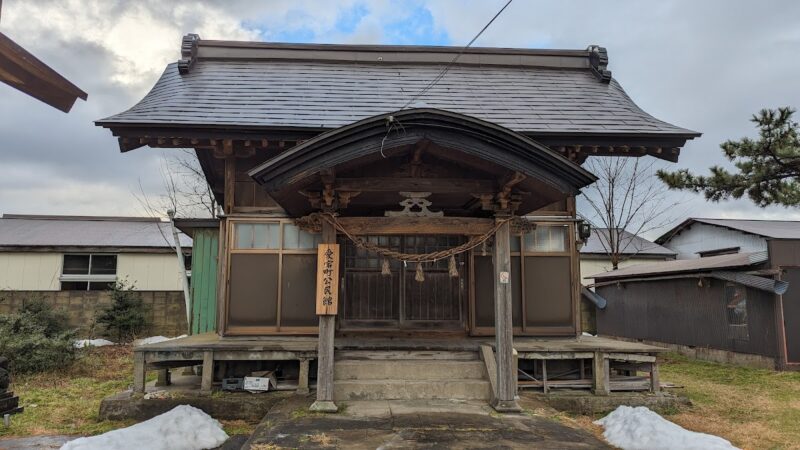
The shrine buildings of Tsuchizaki Shinmei Shrine are based on the traditional Shinmei-zukuri style. The structure, with the worship hall and main sanctuary connected, quietly welcomes worshippers.
Although located in the urban area of Tsuchizaki, the shrine grounds maintain a tranquil atmosphere befitting a sacred place. Especially during early morning visits, the combination of the morning air of the port town and the shrine grounds allows for a refreshing encounter with the deity.
Shrine Precincts
Several shrine precincts surround the main shrine, each enshrining a deity with different divine virtues. Visiting the main shrine precincts allows you to receive a more multifaceted blessing.
When visiting, paying respects not only to the main shrine but also to the shrine precincts shows respect to the deities of the entire shrine.
Atmosphere of the Shrine Precincts
The grounds of Tsuchizaki Shinmei Shrine have a unique atmosphere that reflects its location in a port town. While conveniently located within walking distance of JR Tsuchizaki Station, stepping onto the grounds reveals a sacred space far removed from the hustle and bustle of everyday life.
Ancient trees can be seen on the grounds, giving a sense of its long history. The grounds, which show different expressions with each season, offer new discoveries with every visit.
The Float Procession of the Tsuchizaki Shinmei Shrine Festival
National Important Intangible Folk Cultural Property / UNESCO Intangible Cultural Heritage
The float procession of the Tsuchizaki Shinmei Shrine Festival was designated a National Important Intangible Folk Cultural Property in 1997. Furthermore, in 2016, it was registered as one of the components of the UNESCO Intangible Cultural Heritage “Mountain, Float, and Festival Processions,” and is recognized as a global cultural heritage.
This recognition places it on par with representative Japanese festivals such as Kyoto’s Gion Festival, Takayama Festival, and Chichibu Night Festival, demonstrating the high cultural value of the Tsuchizaki Shinmei Shrine Festival.
Festival Schedule and Overview
The Tsuchizaki Shinmei Shrine Festival is held annually on July 20th and 21st. This schedule has remained unchanged for centuries, making it a quintessential Akita event that signals the arrival of summer.
During the festival period, the entire Tsuchizaki Port area is immersed in the festive atmosphere, with all residents participating to make the festival a success.
Characteristics of the Hikiyama Procession
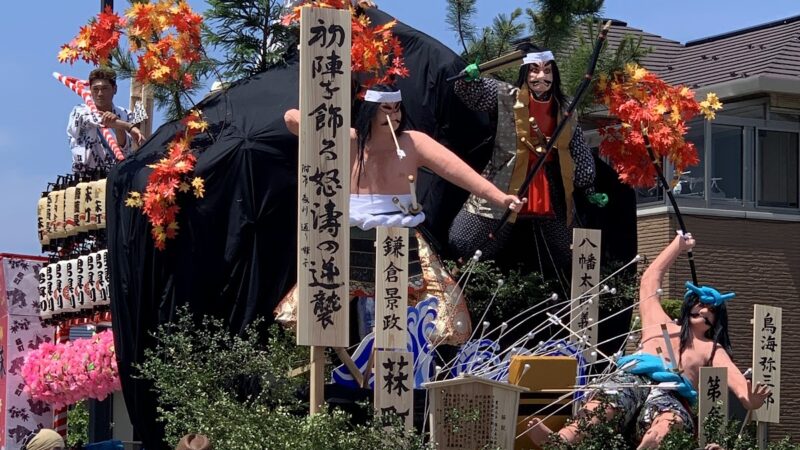
The biggest highlight of the Tsuchizaki Shinmei Shrine Festival is the hikiyama (floats) that each neighborhood competes with. These hikiyama, also called “yama,” are elaborately decorated floats adorned with dolls and other ornaments.
Features of the Floats:
- Warrior Dolls: Large dolls depicting historical warriors and heroes from stories are displayed.
- Rear-End Decorations: Decorations on the rear of the floats, showcasing the skill and artistry of each neighborhood.
- Lanterns: At night, countless lanterns are lit, creating a fantastical atmosphere.
- Pullers’ Chants: Energetic shouts of “Yoisa, Yoisa!” echo throughout the town.
Competition of Each Neighborhood
Each neighborhood in the Tsuchizaki Port area creates its own float, which is then dedicated to the shrine and paraded through the town. Each neighborhood creates a uniquely designed float each year, competing to see whose is the best.
The floats often depict historical battles and stories, and the intricate dolls and decorations showcase the craftsmanship of the artisans. Construction takes several months, requiring strong community unity and the continuation of traditional techniques.
Historical Background of the Festival
The float procession of the Tsuchizaki Shinmei Shrine Festival is deeply intertwined with the merchant culture of Tsuchizaki, a thriving port town. Merchants who amassed fortunes through Kitamae-bune (northern route trading ships) invested their wealth in creating magnificent floats, forming the foundation of the current festival.
Furthermore, the culture of port towns, which values “chic” and “spirit,” has contributed to the festival’s splendor and vibrancy.
Points to Note When Visiting the Tsuchizaki Shinmei Shrine Festival
Points to note when visiting the Tsuchizaki Shinmei Shrine Festival:
- Daytime Float Procession: See the floats from each neighborhood parading through the town up close.
- Nighttime Floats: The floats illuminated by lanterns have a different, fantastical beauty compared to the daytime.
- Dedication to the Shrine: The sight of the floats gathering in front of the Shinmei Shrine is breathtaking.
- Local Stalls: During the festival, many stalls line the streets, adding to the festive atmosphere.
Annual Events and Festivals
Main Annual Events
In addition to the Tsuchizaki Shinmei Shrine Festival, various festivals and events are held throughout the year at Tsuchizaki Shinmei Shrine:
- Hatsumode (January 1st-3rd): The shrine is bustling with New Year’s worshippers.
- Setsubun Festival (around February 3rd): Bean-throwing wards off evil spirits.
- Spring Festival: A festival celebrating the arrival of spring
- Shichi-Go-San (November): A visit to celebrate the growth of children
- Year-End Grand Purification Ceremony (December 31st): A purification ceremony to cleanse away the impurities of the year
Prayers and Supplications Throughout the Year
Tsuchizaki Shinmei Shrine accepts various prayers and supplications throughout the year:
- Exorcism: A prayer for protection against misfortune for those in their unlucky years
- Shichi-Go-San: A prayer for the healthy growth of children aged 3, 5, and 7
- Prayer for Success in Exams: A prayer for academic success for students taking exams
- Age Celebration: A celebration of longevity such as 60th birthday and 70th birthday
- Prayer for Safety: A prayer for traffic safety, construction safety, etc.
- Business Prosperity: A prayer for the development of business
- Family Safety: A prayer for the health and peace of the family
The shrine office is open from 9:00 to 17:00. Those wishing to request prayers are advised to inquire by phone in advance.
Goshuin (Shrine Seal) Information
Issuance of Goshuin
Tsuchizaki Shinmei Shrine offers goshuin (shrine seals). Many visitors receive goshuin as a memento of their visit and as a way to preserve their connection with the shrine.
Goshuin can be obtained at the shrine office. Please bring your goshuincho (seal book) or you can receive a pre-printed goshuin.
Electronic Goshuin
Tsuchizaki Shinmei Shrine also supports electronic goshuin as a modern initiative. This system allows you to obtain goshuin electronically using your smartphone, making it convenient for visitors from afar or those who do not carry a goshuincho.
Electronic goshuin are attracting attention as a new form of worship, distinct from traditional paper goshuin.
Manners When Receiving a Goshuin (Shrine Stamp)
When receiving a Goshuin, please observe the following manners:
- Complete your prayers first before receiving the Goshuin.
- Be polite to the shrine staff.
- Prepare the offering fee (for the Goshuin) in advance.
- Be considerate of waiting times during busy periods.
Items and Amulets
Popular Amulets
At Tsuchizaki Shinmei Shrine, you can receive a variety of amulets and items. Particularly popular is the “Hello Kitty Amulet,” which, with its cute design and divine blessings, is loved by people of all ages.
Other options include:
- Exorcism Amulet: For warding off evil for those in their unlucky year.
- Traffic Safety Amulet: For safe driving and cycling.
- Academic Success Amulet: For students and those taking exams.
- Health Amulet: For wishing for good health and longevity.
- Matchmaking Amulet: For wishing for a good match.
And many other amulets are available to suit different purposes. ### Use of the Shrine Office
In addition to amulets, the shrine office also offers votive tablets and fortune slips. Please feel free to stop by when you visit the shrine.
Access Information
Basic Information
Address: 3-9-37 Tsuchizakiminato Chuo, Akita City, Akita Prefecture 011-0946
Phone: 018-845-1441
Shrine Office Hours: 9:00 AM – 5:00 PM
Access by Train
Access on Foot from JR Tsuchizaki Station
The shrine is very easily accessible, located about 2-3 minutes on foot from JR Ou Main Line “Tsuchizaki Station”.
- From Akita Station to Tsuchizaki Station: Approximately 10 minutes by train
- From Tsuchizaki Station to Shinmei Shrine: Approximately 2-3 minutes on foot
If you exit the station and head northwest, you will immediately see the shrine grounds. It is a distance that even first-time visitors can easily find. ### Access by Car
From Akita Station
Approximately 20 minutes by car from Akita Station. Head north on National Route 7 towards Tsuchizaki Port.
From Akita Expressway
Approximately 15 minutes from Akita Kita Interchange. After exiting the interchange, proceed towards National Route 7 and then towards Tsuchizaki Port.
Parking
There is parking space for visitors around the shrine, but the number of spaces is limited. It gets especially crowded during festivals and the New Year’s period, so we recommend using public transportation.
During festivals, traffic restrictions are in place, and some surrounding roads become pedestrian zones, so please check traffic information in advance.
Nearby Attractions
Besides Shinmei Shrine, there are other spots worth visiting around Tsuchizaki Port:
- Tsuchizaki Port: Experience the atmosphere of a port town
- Serion (Port Tower Serion): A symbolic tower of Akita Port, offering panoramic views of the city from its observation deck
- Tsuchizaki Minato History and Folklore Museum: A facility where you can learn about the history and culture of Tsuchizaki
Manners and Etiquette for Visiting a Shrine
Basic Etiquette for Visiting a Shrine
Let’s review the basic etiquette for visiting a shrine:
- Bow before passing through the torii gate: A courtesy before entering the sacred area
- Purify yourself at the water basin: Purify your left hand, right hand, and mouth in that order
- Walk along the edge of the path: The center is the path for the gods
- Etiquette in front of the main hall: Two bows, two claps, one bow (two bows, two claps, one bow)
- Bow upon leaving: Before leaving the torii gate, turn around and bow.
Regarding attire
There are no specific dress code requirements for regular visits, but please dress neatly and respectfully, as you are going to meet the gods.
If you are receiving a prayer, it is preferable to wear attire that is not too casual.
The Charm of Tsuchizaki Shinmei Shrine
A Faith Rooted in the Community
The greatest charm of Tsuchizaki Shinmei Shrine lies in its history of being loved by local residents for over 400 years and its continued function as a central hub of the local community.
In particular, the float procession at the Tsuchizaki Shinmei Shrine Festival is not merely a tourist event, but a culture that local people prepare for a year and that has been passed down through generations.
A Fusion of Tradition and Modernity
The flexible approach of accommodating modern needs while preserving tradition, such as offering electronic goshuin (shrine stamps) and Hello Kitty amulets, is another charm of Tsuchizaki Shinmei Shrine.
While cherishing ancient beliefs, this shrine warmly welcomes new visitors, making it a beloved and open place for many.
Conveying the History of a Port Town
Tsuchizaki Shinmei Shrine is an important site that conveys the history of Tsuchizaki Port, which once flourished as a port of call for Kitamae ships. Visiting the shrine allows you to experience the history of Akita’s maritime trade, merchant culture, and life in a port town.
Voices of Visitors
Many visitors to Tsuchizaki Shinmei Shrine are deeply moved by its rich history and the power of its festivals. Those who have actually witnessed the Tsuchizaki Shinmei Shrine Festival’s float procession, in particular, have commented, “It was more impressive than I imagined,” “I was moved by the sense of community,” and “I truly felt the splendor of traditional culture.”
Even for regular visits, many positive comments are received, such as “It’s conveniently located near the station,” “It has a quiet and peaceful atmosphere,” and “The staff are very kind and helpful.”
Summary
The Shinmei Shrine (Tsuchizaki Shinmei Shrine), located in the center of Tsuchizaki Port in Akita City, Akita Prefecture, is a historic shrine that has been revered by the local people as the guardian shrine of Tsuchizaki Port since its founding in 1620.
The enshrined deity, Amaterasu Omikami, possesses many divine virtues, including good fortune, abundant harvests, family safety, and protection from evil, and is said to grant various wishes.
The Tsuchizaki Shinmei Shrine Festival, held annually on July 20th and 21st, is a cultural heritage site registered as a National Important Intangible Folk Cultural Property and a UNESCO Intangible Cultural Heritage. The magnificent floats, competed by each neighborhood, are a precious festival that conveys the history and traditions of the port town, captivating many spectators.
Conveniently located just a 2-3 minute walk from JR Tsuchizaki Station and easily accessible by train from Akita Station (approximately 10 minutes), this shrine is highly recommended for first-time visitors to Akita.
The shrine offers a wide range of services, including the distribution of Goshuin (shrine stamps), various amulets, and prayers for warding off evil and Shichi-Go-San (a traditional Japanese rite of passage for children).
When visiting Akita, we highly recommend visiting Tsuchizaki Shinmei Shrine. Experience the tranquil atmosphere of this 400-year-old sacred site and immerse yourself in the culture of this port town. The annual festival in July, in particular, offers a rare opportunity to experience the true essence of Japanese festival culture.
References and Related Information
For more detailed information about Tsuchizaki Shinmei Shrine, please refer to the following sources:
- Tsuchizaki Shinmei Shrine Official Website: Latest event schedules and prayer information
- Akita City Tourism Information: Tourist spots in the Tsuchizaki area
- Agency for Cultural Affairs National Designated Cultural Properties Database: Details of the Tsuchizaki Shinmei Shrine Festival’s float procession
- UNESCO Intangible Cultural Heritage “Mountain, Float, and Procession Festivals”: Value as a World Heritage Site
Tsuchizaki Shinmei Shrine is a representative shrine of Akita, where history, culture, and faith are intertwined. The shrine grounds, which show different expressions in each season, the festivals rooted in the local community, and the warm atmosphere that welcomes visitors will leave a deep impression on the hearts of those who visit.