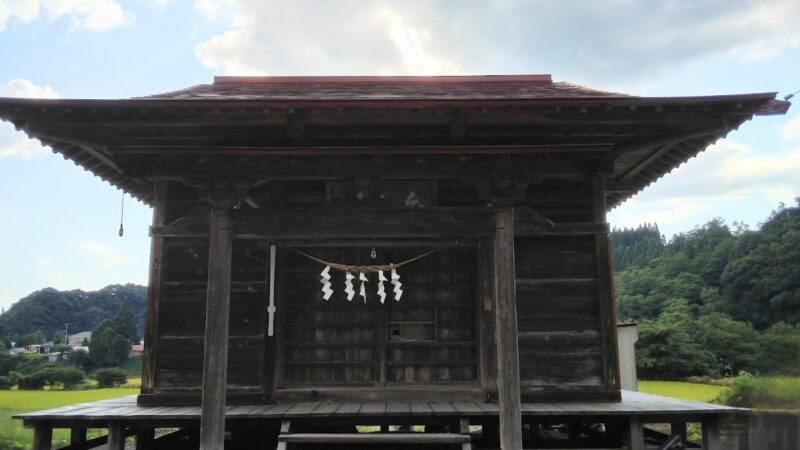
Hakusan Shrine (Kazuno City, Akita Prefecture) Complete Guide | History, Deities, and Access Information
Hakusan Shrine, located in Towada-Oyu, Kazuno City, Akita Prefecture, is a historical shrine that has garnered the faith of the local community. Situated near the Oyu Onsen hot spring resort, it has long been cherished as a spiritual center for local residents. This article provides detailed information you should know before visiting Hakusan Shrine, including its history, enshrined deities, highlights within the grounds, and access methods.
Basic Information about Hakusan Shrine
Hakusan Shrine is located at 23 Hakusan, Towada-Oyu, Kazuno City, Akita Prefecture, and has a long history as the guardian shrine of the region.
Location and Contact Information
- Location: 23 Shirayama, Towada-Oyu, Kazuno City, Akita Prefecture
- Postal Code: 〒018-5421
- Religious Corporation Number: 1410005003393 (Designated October 5, 2015)
- Affiliation: Akita Prefectural Shrine Association
Deity Enshrined
The main deity enshrined at Shirayama Shrine is Shirayama-hime no Okami. Shirayama-hime no Okami is also known as Kukuri-hime no Kami and is believed to bestow blessings such as matchmaking, family safety, and abundant harvests.
Hakusan faith developed from mountain worship that revered Mount Hakusan in Ishikawa Prefecture as a sacred mountain, and there are approximately 1,562 Hakusan shrines throughout Japan. Shrines named Hakusan Shrine are the sixth most numerous in Japan, and many are distributed throughout the Tohoku region.
History and Origins of Hakusan Shrine
History of Founding
The founder of Hakusan Shrine is said to be a Shugendo practitioner from the first Miyamoto-bo of Hoei Sanzoin Ryusenji Temple. This Shugendo practitioner is said to have come from Inohara in Echizen Province (present-day Fukui Prefecture) and resided in Sendozawa from the early Daiei period (around 1521), engaging in development.
Later, although the exact year is unknown, records indicate that the “Tenshozan Hakusan Daigongen-do” was built on the Minami-omote plateau. This construction held significant importance as a center for regional development and faith.
Connection with Shugendo
An essential aspect of understanding the history of Hakusan Shrine is its deep connection with Shugendo. Founded by Shugendo practitioners, the shrine attracted worshippers as Hakusan Daigongen during the era of syncretism of Shinto and Buddhism. Shugendo is a unique Japanese religious form that fuses mountain worship, Buddhism, and Shintoism, and the worship of Mount Hakusan developed as part of this.
Due to the Meiji-era decree separating Shinto and Buddhism, the shrine was renamed from Hakusan Daigongen to Hakusan Shrine, resulting in its current form. However, the essence of its faith remains unchanged and is passed down among the local people.
The Sacred Object and Goddess Statue
Hakusan Shrine enshrines a goddess statue as its special sacred object. There is an old legend that this statue is so sacred that ordinary people who look upon it will be blinded, and only a very limited number of people, such as Buddhist priests, were permitted to view it.
In May 1954, a sutra mound was discovered on the Kamaemori plateau on the southern slope of Mount Hakusan, a significant archaeological discovery that confirmed the historical value of the shrine.
Highlights of the Shrine Grounds
Shrine Buildings and Atmosphere
The grounds of Hakusan Shrine are said to have retained their original shape since ancient times, creating a very atmospheric space. The layout, which utilizes the natural terrain, evokes a sacred feeling in visitors.
The shrine buildings, compared to the historical atmosphere of the grounds, give a relatively new impression. This is the result of renovations and reconstructions over time, and is also evidence that the local people have carefully preserved the shrine.
Torii Gate and Approach
The approach to Hakusan Shrine forms a beautiful landscape in harmony with the surrounding natural environment. Passing through the torii gate, a tranquil space unfolds, away from the hustle and bustle of everyday life, leading worshippers into the sacred realm.
Natural Environment of the Shrine Grounds
The Towada-Oyu area of Kazuno City is blessed with abundant nature. The grounds of Hakusan Shrine are surrounded by beautiful nature throughout the seasons, and especially during the seasons of fresh greenery and autumn leaves, visitors can enjoy nature walks in conjunction with their visit to the shrine.
How to Access Hakusan Shrine
Access by Car
Hakusan Shrine is most easily accessible by car.
- From the Tohoku Expressway “Kazuno Hachimantai IC”: Approximately 20 minutes
- From the Lake Towada area: Approximately 30 minutes via National Route 103
- From the Odate area: Approximately 40 minutes via National Route 103
Regarding parking, there is space for visitors around the shrine grounds, but it is recommended to check the details on-site.
Access by Public Transportation
If using public transportation, the following routes are possible:
- Get off at “Towada Minami Station” on the JR Hanawa Line: Approximately 15 minutes by taxi
- Use the Akita Kita Bus: Get off at “Oyu” on the bus bound for Oyu Onsen, and it is within walking distance.
However, since the number of buses is limited, it is recommended to check the timetable in advance.
Distance from the Nearest Station
The nearest station is Towada-Minami Station on the JR Hanawa Line, but the distance from the station to the shrine is approximately 8km, making taxi travel the most practical option. Renting a car allows for efficient sightseeing of the surrounding area.
Sightseeing Spots Around Hakusan Shrine
Oyu Stone Circle
Located about a 5-minute drive from Hakusan Shrine, the Oyu Stone Circle is a late Jomon period archaeological site designated as a National Special Historic Site. It comprises two stone circles, the Manza Stone Circle and the Nonakado Stone Circle, offering a glimpse into the mysteries of Jomon culture. In 2021, it was registered as a World Cultural Heritage site as part of the “Jomon Archaeological Sites of Hokkaido and Northern Tohoku.”
Oyu Hot Spring Village
The Oyu area, where Hakusan Shrine is located, has long been known as a hot spring resort. Oyu Onsen boasts a history of over 800 years and has been a popular therapeutic hot spring destination. Relaxing in the hot springs after visiting the shrine is highly recommended.
Lake Towada
Lake Towada, located about 40 minutes by car from Hakusan Shrine, is a caldera lake straddling Aomori and Akita Prefectures. A representative tourist destination in Tohoku, it offers beautiful scenery throughout the seasons, with various ways to enjoy it, including sightseeing boats, boating, and walking trails in the surrounding area.
Goshogake Onsen & Mushinoyu Onsen
Heading from Kazuno City towards Hachimantai, you’ll find Goshogake Onsen and Mushinoyu Onsen, known as secluded hot springs. These hot springs utilize geothermal heat from volcanic activity, offering unique bathing experiences such as mud baths and steam baths.
History and Culture of Kazuno City
Overview of Kazuno City
Kazuno City is located in the northeastern part of Akita Prefecture, bordering Aomori and Iwate Prefectures. Historically, it has fostered a unique culture as a border region between the Nanbu and Akita domains. Many Jomon period ruins have been discovered, indicating that it is a historically significant area where people have lived since ancient times.
Traditional Culture of Kazuno
Kazuno City has a traditional festival called “Hanawa Bayashi.” Held annually on August 19th and 20th, this festival is considered one of Japan’s three greatest festivals, characterized by its magnificent floats and the powerful sound of drums. It is a valuable cultural asset registered as a UNESCO Intangible Cultural Heritage.
Industry and Local Products of Kazuno
Agriculture and tourism are the main industries of Kazuno City. “Kazuno apples” in particular are known for their high quality and are highly regarded as the northernmost apple-producing region. Livestock farming, including “Kazuno beef,” is also thriving. Traditional crafts include bentwood boxes and cherry bark crafts.
About Hakusan Worship
Origin of Hakusan Worship
Hakusan worship developed from mountain worship that revered Mount Hakusan (2,702m above sea level), which straddles the border between Ishikawa and Gifu prefectures, as a sacred mountain. Mount Hakusan, along with Mount Fuji and Mount Tateyama, is considered one of Japan’s three sacred mountains and has long been revered as a sacred site for Shugendo (mountain asceticism).
Hakusan Shrines Nationwide
There are approximately 1,562 Hakusan Shrines throughout Japan, making it the sixth most numerous shrine name in the country. This indicates the widespread popularity of Hakusan worship. They are particularly numerous in the Hokuriku and Tohoku regions, having been established alongside the development of local settlements and agricultural advancements.
Divine Virtues of Hakusan Hime-no-Okami
Hakusan Hime-no-Okami (Kukuri-hime-no-Kami) is a deity appearing in the *Nihon Shoki* (Chronicles of Japan). Based on the myth of her mediating a quarrel between Izanagi-no-Mikoto and Izanami-no-Mikoto, she is worshipped as a goddess of matchmaking and harmony. She is also revered as a goddess of agriculture and water, and is believed to bestow blessings of abundant harvests and family safety.
Manners and Etiquette for Visiting a Shrine
Basic Etiquette for Visiting a Shrine
There are basic manners for visiting a shrine. When visiting Hakusan Shrine, please follow these steps:
- Bow before passing through the torii gate: This shows respect for entering the sacred area.
- Purify yourself at the water basin: Purify your left hand, right hand, and mouth in that order.
- Walk along the edge of the path: The center is considered the path for the gods.
- Manners in front of the main hall: The basic procedure is two bows, two claps, and one bow.
- Bow deeply twice.
- Clap your hands twice.
- Pray sincerely.
- Bow deeply once.
About Offerings
Offerings express gratitude to the gods. There are no rules regarding the amount, but please place them carefully in the offering box. It is considered best to gently place them in rather than throwing them in.
Photography Etiquette
Photography is generally permitted on the shrine grounds, but there are areas where photography is prohibited, such as inside the main hall and around the sacred object. Please be considerate of other worshippers and act quietly.
Annual Events and Festivals
Hakusan Shrine holds various festivals and events throughout the year. As a local shrine, seasonal festivals and traditional events are carefully preserved.
Main Annual Events
- New Year’s Day Festival: A festival to pray for peace in the new year.
- Spring Grand Festival: Celebrating the arrival of spring and praying for a bountiful harvest.
- Summer Purification Ceremony: A Shinto ritual to cleanse away the sins and impurities accumulated over the past six months.
- Autumn Grand Festival: The most important festival to express gratitude for the harvest.
- Year-End Purification Ceremony: Cleansing away the sins and impurities of the past year and preparing for the new year.
For specific dates, we recommend checking with the Akita Prefectural Shrine Association or local information.
Gourmet Information Around Hakusan Shrine
Local Cuisine of Oyu Onsen
In the Oyu area, where Hakusan Shrine is located, you can enjoy local Akita cuisine.
- Kiritanpo: A representative local dish of Akita, made by wrapping mashed rice around a skewer and grilling it.
- Hinai Jidori: A local chicken specialty of northern Akita Prefecture, characterized by its deep umami flavor.
- Wild Vegetable Cuisine: Dishes using wild vegetables harvested from the rich natural environment of Kazuno.
- Kazuno Apple Sweets: Sweets and desserts made with locally grown apples.
Recommended Dining Options
The Oyu Onsenkyo hot spring area has restaurants in hot spring inns and local eateries where you can enjoy the flavors of Akita. Local cuisine at hot spring inns, in particular, makes for a special travel memory.
How to Enjoy Visiting Hakusan Shrine
Seasonal Charms
Spring (April-June): The season when the fresh greenery is beautiful and the trees in the shrine grounds begin to bud. You can feel the breath of spring arriving with the melting snow.
Summer (July-September): The shrine grounds, enveloped in deep green, have a cool and refreshing atmosphere. In August, the Hanawa Bayashi festival of Kazuno City is also held.
Autumn (October-November): The autumn leaves color the temple grounds, making it the most beautiful season. The Autumn Grand Festival, expressing gratitude for the harvest, is also held.
Winter (December-March): The temple grounds, covered in snow, exude a dignified and sacred atmosphere. A solemn and unique winter pilgrimage experience awaits.
Model Courses Combining Local Sightseeing
Day Trip Course:
- Morning: Visit Hakusan Shrine (30 minutes)
- Morning: Visit Oyu Stone Circles (1 hour)
- Lunch: Local cuisine at Oyu Onsen
- Afternoon: Day trip to a hot spring (2 hours)
- Return trip: Purchase local products at a roadside station
1-Night, 2-Day Course:
Day 1: Visit Hakusan Shrine → Oyu Stone Circles → Overnight stay at Oyu Onsen
Day 2: Sightseeing at Lake Towada → Hot spring hopping in the Hachimantai area
Relationship with Nearby Shrines
Major Shrines in Kazuno City
In addition to Hakusan Shrine, there are several other historical shrines in Kazuno City.
- Kou Inari Shrine: Located in the heart of Kazuno City, it is worshipped as the god of business prosperity.
- Dainichi Reiki Shrine: Revered since ancient times as the guardian shrine of the Hanawa district.
- Kumano Shrine: A shrine with deep ties to Shugendo (mountain asceticism).
Visiting these shrines is one way to enjoy sightseeing in Kazuno.
Hakusan Shrines in Akita Prefecture
There are several Hakusan Shrines in Akita Prefecture. Each Hakusan Shrine has its own unique history and characteristics, but they are all connected by the common foundation of Hakusan faith.
Connections with Local Communities
Parishioner Organizations and Shrine Maintenance
Hakusan Shrines have been carefully preserved by local parishioners. The parishioner organization plays a vital role in the maintenance and management of the shrine, the operation of festivals, and the transmission of traditions. In rural areas facing depopulation, such community cohesion is essential for protecting the shrine.
Participation in Local Events
The festivals at Hakusan Shrine are important annual events for local residents. Many residents participate in events such as the annual grand festival, creating a place for intergenerational exchange. These events deepen community bonds.
Points to Note When Visiting Hakusan Shrine
Clothing and Items to Bring
- Clothing: Clean clothing appropriate for visiting a shrine is desirable. Formal attire is especially recommended when attending formal events such as the annual grand festival.
- Shoes: Since the shrine grounds utilize the natural terrain, comfortable walking shoes are recommended.
- Seasonal Precautions: In winter, there is snow, so warm clothing and non-slip shoes are necessary. In summer, insect repellent spray is useful.
Visiting Hours
Hakusan Shrine is generally open for daytime visits, but the shrine office may not always be staffed. If you wish to receive a Goshuin (shrine stamp) or special prayers, it is recommended to check with the Akita Prefectural Shrine Association in advance.
Accessibility Information
The shrine grounds utilize the natural terrain, resulting in steps and slopes. If you wish to visit in a wheelchair, it is recommended to check in advance.
Summary: The Charm of Hakusan Shrine
Hakusan Shrine, located in Towada-Oyu, Kazuno City, Akita Prefecture, is a venerable shrine with a history in Shugendo (mountain asceticism). Founded by Shugendo practitioners from Echizen Province, it has attracted worshippers alongside the development of the region.
The shrine enshrines Hakusan Hime Okami as its main deity, and is believed to bestow blessings for matchmaking, family safety, and abundant harvests. The shrine grounds retain their original layout, creating a sacred and atmospheric space.
Nearby are attractive tourist spots such as the Oyu Stone Circles (a World Heritage Site), the historic Oyu Onsen hot springs, and Lake Towada, allowing visitors to enjoy the nature and culture of Kazuno in conjunction with their visit to the shrine.
Surrounded by the beautiful nature of each season, Hakusan Shrine offers visitors tranquility and healing. When visiting northern Akita Prefecture, be sure to visit Hakusan Shrine and experience the sacred atmosphere nurtured by its long history.
Hakusan Shrine, which has been carefully preserved by the local people, will continue to welcome many worshippers as a spiritual center of Kazuno.
Frequently Asked Questions about Hakusan Shrine in Kazuno City, Akita Prefecture
Q1: Can I get a Goshuin (shrine stamp) at Hakusan Shrine?
A1: Regarding the issuance of Goshuin at Hakusan Shrine, since the shrine office may not always have staff present, we recommend checking with the Akita Prefectural Shrine Association (Tel: 018-862-4896) in advance. Other shrines in Kazuno City or the Akita Prefectural Shrine Association may also handle it.
Q2: How do I get to Hakusan Shrine?
A2: Access by car is convenient. It’s about 20 minutes from the Kazuno-Hachimantai Interchange on the Tohoku Expressway, and about 15 minutes by taxi from Towada-Minami Station on the JR Hanawa Line. For public transportation, you can use the Akita Kita Bus bound for Oyu Onsen, but please check the timetable in advance as the number of buses is limited.
Q3: What are the main divine blessings of Hakusan Shrine?
A3: The enshrined deity, Hakusan Hime Okami (Kukuri Hime no Kami), is believed to bestow blessings such as matchmaking, family safety, abundant harvests, and business prosperity. She has been worshipped since ancient times, especially as a goddess of matchmaking and harmony.
Q4: Are there any recommended tourist spots around Hakusan Shrine?
A4: The Oyu Stone Circle, located about 5 minutes away by car, is a World Cultural Heritage site and a must-see. Also recommended are a hot spring bath in the Oyu Onsen area and sightseeing at Lake Towada, about 40 minutes away by car. The Hanawa Bayashi festival in Kazuno City (held in August) is also worth seeing.
Q5: When is the Hakusan Shrine’s annual festival held?
A5: The specific date of the annual festival may vary from year to year. The main festivals are the Spring and Autumn Grand Festivals, but for detailed dates, please contact the Akita Prefectural Shrine Association or the Kazuno City Tourism Association (Tel: 0186-23-2019).
Q6: Can I visit the shrine in winter?
A6: Yes, you can visit the shrine in winter. However, please be very careful of your footing when there is snow. Please wear warm clothing and non-slip shoes. The shrine grounds covered in snow have a solemn atmosphere, offering a unique winter visit experience.
Q7: Please tell me about the history of Hakusan Shrine.
A7: Hakusan Shrine was founded in the early Daiei period (around 1521) by a Shugendo practitioner who came from Echizen Province. The founder was a Shugendo practitioner of the first Miyamoto-bo of Hoei Sanzoin Ryusenji Temple, who resided in Sendozawa and engaged in development. Later, the Tenshozan Hakusan Daigongen-do was built, and with the Meiji-era separation of Shinto and Buddhism, it became the current Hakusan Shrine.
Q8: Is there parking available?
A8: There is parking available for visitors around the temple grounds, but please check on-site or contact the Kazuno City Tourism Association in advance for details. Parking at the Oyu Onsenkyo hot spring resort may also be available.