Hakusan Shrine (Sekiya, Fuji-cho, Saga City, Saga Prefecture) | A Thorough Explanation of the History and Shinto-Buddhist Syncretism Heritage of Mount Koya
Hakusan Shrine, located on Mount Koya in Sekiya, Fuji-cho, Saga City, Saga Prefecture, is a valuable historical heritage site that strongly retains traces of the syncretism of Shinto and Buddhism. Having deep ties to the Shugendo (mountain asceticism) of Kaga (Ishikawa Prefecture), this shrine, which once flourished as a sacred site, continues to attract many visitors today. This article provides a detailed explanation of Hakusan Shrine’s history, cultural value, and access methods.
Basic Information on Hakusan Shrine
Hakusan Shrine is located at 1945 Sekiya, Fuji-cho, Saga City, Saga Prefecture (Shimosekiya), and is situated on the slopes of Mount Koya. This shrine is not merely a local place of worship, but is also attracting attention as a cultural property of significant importance in the history of Japanese religion.
Location and Access Information
Location
1945 Sekiya-shimo-Sekiya, Fuji-cho, Saga City, Saga Prefecture 840-0541
Religious Corporation Number
8300005002879
Access Method
Hakusan Shrine is approximately a 30-minute drive from the center of Saga City. If using public transportation, take a bus from Saga Station towards Fuji-cho. From the nearest bus stop, it’s a walk, but since it involves climbing a mountain path, appropriate clothing and preparation are necessary for your visit.
Contact Information
The Industrial Promotion Division of the Saga City Fuji Branch Office is the contact point for inquiries regarding Hakusan Shrine. It is recommended to check in advance for detailed information regarding visiting hours and events.
History and Founding Date of Hakusan Shrine
Hakusan Shrine is believed to have been founded in 988 (Eien 2), dating back to the mid-Heian period. This period was a time when Shugendo (mountain asceticism) flourished throughout Japan, and it was also a crucial period when the Hakusan faith spread nationwide.
Deep Connection with Kaga Hakusan
The name “Hakusan” of Hakusan Shrine originates from Mount Hakusan, a sacred mountain in Kaga Province (present-day Ishikawa Prefecture). Mount Hakusan has been revered as a sacred site for Shugendo since ancient times, and its faith spread throughout Japan. Saga’s Hakusan Shrine also follows this Hakusan faith tradition, and a deep connection with Kaga’s Shugendo has been confirmed.
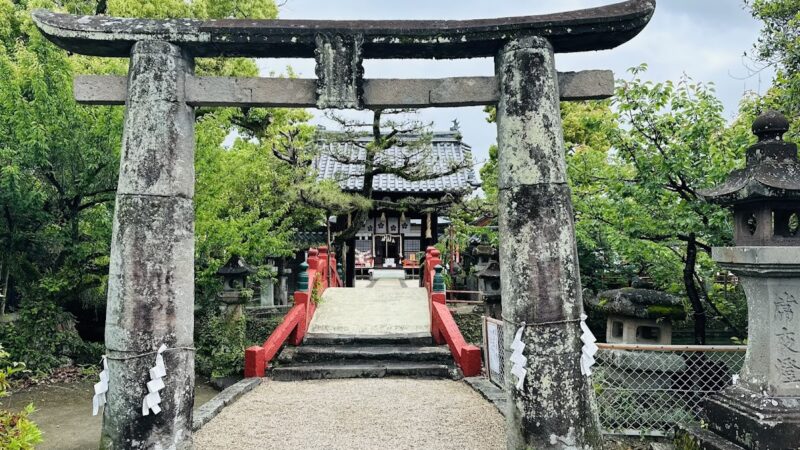
An old torii gate bears the inscription “Hakusan Hikosan Daiken,” which is valuable evidence indicating the fusion of Hakusan faith and the faith of Mount Hikosan (Hikosan), a sacred mountain in Kyushu. This inscription suggests the existence of a wide-ranging network within Shugendo.
Prosperity during the Genroku Period
A stone lantern remaining in the inner sanctuary bears the inscription of Genroku 11 (1698). During this period in the mid-Edo period, Hakusan Shrine flourished as a center of local faith, a sacred site visited by many worshippers and ascetic monks. The Genroku period was a time of economic and cultural stability, and it is believed that this was a time when the shrine was improved and offerings were enriched.
A Cultural Heritage Site Preserving the Remnants of Shinto-Buddhist Syncretism
The most distinctive feature of Hakusan Shrine is that it still retains strong traces of Shinto-Buddhist syncretism. While many shrines eliminated Buddhist elements due to the Meiji-era separation of Shinto and Buddhism, Hakusan Shrine was relatively unaffected, preserving a valuable historical landscape.
What is Shinto-Buddhist Syncretism?
Shinto-Buddhist syncretism (or Shinbutsu-shugo) is a religious form that combines Shinto, Japan’s ancient religion, with Buddhism, a foreign religion. From the Nara period to the end of the Edo period, it was the mainstream of Japanese religious culture, with Buddhist facilities being attached to shrines, and gods being worshipped as incarnations of Buddha.
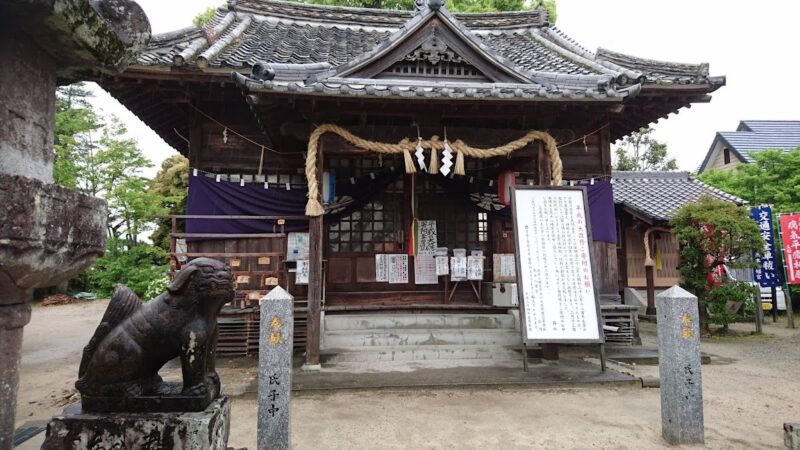
At Hakusan Shrine, traces of the syncretism of Shinto and Buddhism can be seen throughout the grounds. Despite being a Shinto shrine, it retains buildings and stone structures with Buddhist elements, serving as living historical materials that convey the form of worship at that time.
The Sacred Nature of Mount Koya
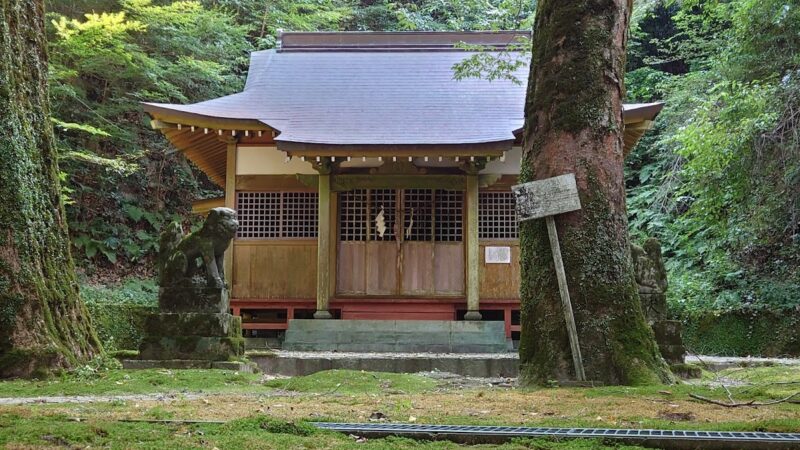
Mount Koya has been revered as a sacred mountain since ancient times. This mountain, where Hakusan Shrine is located, was a training ground for Shugendo practitioners, and many monks’ quarters (shugendo lodgings) lined the area. Even today, the remains of these monks remain, evoking the former bustling activity.
A pond called Sensuiike also remains; this was a sacred water source used by Shugendo practitioners for purification. Such remains indicate that Hakusan Shrine functioned not merely as a place of worship, but as a center of Shugendo.
Cultural Value of Hakusan Shrine
Hakusan Shrine is registered in Saga Prefecture’s “Saga History and Culture Treasures” (Registration ID: 2728) and is recognized as an important cultural heritage of the region. Its value lies in the following points:
Importance in Religious History
In the history of Japanese religion, shrines that have preserved their form before the separation of Shinto and Buddhism are precious. Hakusan Shrine escaped the rapid changes after the Meiji Restoration and remains a rare example of a place that preserves the form of worship up to the Edo period.
Valuable Material for Shugendo Research
As physical evidence showing the Shugendo network connecting Mount Hakusan in Kaga and the sacred mountains of Kyushu, Hakusan Shrine occupies an important position in Shugendo research. The inscription “Hakusan Hikosan Daiken” is a first-class historical document showing the reality of widespread religious exchange.
Symbol of Regional Culture
For the Sekiya district of Fuji-cho, Hakusan Shrine is a core element of regional identity. As a place of worship that has continued since ancient times, it embodies the history and culture of the region.
Highlights of Hakusan Shrine
When visiting Hakusan Shrine, paying attention to the following points will lead to a deeper understanding and appreciation.
Old Torii Gate and Inscription
An old torii gate on the temple grounds bears a valuable inscription: “Hakusan Hikosan Daiken.” This inscription is important evidence of the fusion of Hakusan and Hikosan faiths and is an indispensable document for understanding the history of Shugendo (mountain asceticism). We recommend taking your time to observe it carefully.
Inner Sanctuary and Stone Lantern
A stone lantern bearing the inscription of Genroku 11 (1698) remains in the inner sanctuary. This stone lantern, with a history of over 300 years, conveys the depth of faith during the Edo period. You can feel the texture of the moss-covered stone and the weight of history.
Remains of the Monastery and Spring Pond
The remains of the monastery where Shugendo practitioners once lived can still be seen in the topography and stonework. The spring pond, filled with clear water, exudes a sacred atmosphere. By visiting these remains, you can imagine the temple’s appearance in its heyday as a sacred site.
Views from Mt. Takano
Mt. Takano, where Hakusan Shrine is located, boasts an excellent location offering panoramic views of the surrounding area. After visiting the shrine, you can enjoy the scenery from near the summit. The view overlooking the Saga Plain and the surrounding mountains is a breathtaking sight well worth visiting.
Tourist Attractions Around Hakusan Shrine
When visiting Hakusan Shrine, combining your visit with a visit to the tourist attractions around Fuji Town will make your trip even more fulfilling.
Nature of Fuji Town
Fuji Town is blessed with abundant nature. Clear streams and forests abound, allowing you to enjoy beautiful scenery throughout the seasons. Especially during the fresh greenery of spring and the vibrant autumn foliage, it’s ideal to enjoy nature walks in conjunction with a visit to Hakusan Shrine.
Furuyu Onsen and Kumanokawa Onsen
Relatively close to Hakusan Shrine are the hot spring resorts of Furuyu Onsen and Kumanokawa Onsen. After your visit, you can relax and soothe your fatigue in the hot springs. These hot springs have a long history and are known for their high-quality spring water.
Sightseeing in Saga City
The central area of Saga City boasts numerous facilities where you can experience history and culture, including the Saga Castle Ruins and the Saga Prefectural Museum. Combining a visit to Hakusan Shrine with these attractions allows you to enjoy exploring Saga’s history.
Precautions and Manners When Visiting
Please note the following points when visiting Hakusan Shrine:
Clothing and Equipment
Hakusan Shrine is located on the slopes of Mt. Koya, requiring you to walk along mountain paths. Please wear comfortable clothing and walking shoes. Particular caution is needed during rainy weather and winter, as the ground can be slippery.
Protection of the Natural Environment
The area surrounding the shrine maintains a rich natural environment. Please be sure to take your trash with you and be considerate of plants and animals.
Visiting Manners
Shrines are sacred places. Please pray quietly and be mindful not to disturb other visitors. Photography is permitted, but there are areas where photography is restricted, such as inside the main hall, so please follow the signs.
Seasonal Precautions
In summer, insect repellent is necessary, and in winter, cold weather protection is required. It is also recommended to refrain from visiting during typhoons or heavy rain.
Future Preservation and Utilization of Hakusan Shrine
Hakusan Shrine is a valuable cultural heritage site, and its appropriate preservation and utilization are essential. Local residents, government officials, and researchers are working together to pass on this historical asset to future generations.
Protection as a Cultural Property
As a valuable heritage site retaining traces of the syncretism of Shinto and Buddhism, the preservation of Hakusan Shrine is a crucial issue. It is necessary to maintain its historical value by preventing the deterioration of buildings and stone structures and carrying out appropriate restorations.
Utilization as a Tourism Resource
Hakusan Shrine is an attractive spot for tourists interested in history and culture. By providing appropriate information and improving access, it can contribute to regional revitalization by attracting more visitors.
Utilization of Educational Value
Hakusan Shrine serves as an excellent teaching material for learning about Japanese religious history, including Shugendo and the syncretism of Shinto and Buddhism. By utilizing it as a place for school education and lifelong learning, it is possible to deepen understanding of the local history and culture.
Summary: The Historical Weight Conveyed by Hakusan Shrine
Hakusan Shrine, located on Mount Takano in Sekiya, Fuji-cho, Saga City, Saga Prefecture, has been a center of local faith for over a thousand years since its founding in 988. With its deep connection to Mount Hakusan in Kaga, remnants of syncretism of Shinto and Buddhism, and history as a sacred site for Shugendo (mountain asceticism), this shrine possesses multifaceted cultural value and occupies an important position in the history of Japanese religion.
The inscription “Hakusan Hikosan Daiken” on the old torii gate, the stone lantern bearing the inscription of Genroku 11 (1698), and remnants such as the remains of a temple and a spring pond convey the prosperity and depth of faith of the past. Even today, Hakusan Shrine retains traces of syncretism of Shinto and Buddhism, making it a rare example that escaped the rapid changes after the Meiji Restoration, and thus a shrine of high cultural value.
When visiting Saga City, be sure to visit Hakusan Shrine and experience this sacred space steeped in a thousand years of history amidst the tranquil atmosphere of Mount Koya. This place, where history and nature harmonize, is sure to bring deep emotion and new discoveries to visitors.
Hakusan Shrine is not merely a tourist spot; it is a living historical heritage site embodying the evolution of Japanese religious culture. Understanding its value and carefully preserving it is our responsibility as modern people.