Tenman Shrine (Kofukugawa, Fuji-cho, Saga City, Saga Prefecture) Complete Guide
Located at 1267 Kofukugawa, Fuji-cho, Saga City, Saga Prefecture, Tenman Shrine is a historic shrine dedicated to Sugawara no Michizane, known as the god of learning. Nestled amidst the rich natural environment of Fuji-cho, this shrine has long been a center of local faith and cherished by the people. This article provides a detailed guide to Tenman Shrine, including its history, blessings, highlights within the grounds, how to worship, and access information.
Basic Information about Tenman Shrine
Location: 1267 Kofukugawa, Fuji-cho, Saga City, Saga Prefecture 840-0522
Deity Enshrined: Sugawara no Michizane
Shrine Rank: Village Shrine
Founding: The exact founding year is unknown, but according to old local records, it is believed to have a history of several hundred years.
Annual Festival Day: Local festivals are held throughout the year.
History and Origins of Tenman Shrine
Tenmangu Faith and Sugawara no Michizane
Tenman Shrine is one of approximately 12,000 Tenmangu/Tenjin shrines throughout Japan. The enshrined deity, Sugawara no Michizane, was a scholar and politician active during the Heian period, and is revered as the “God of Learning” due to his outstanding knowledge and sincere character.
Sugawara no Michizane was born in Kyoto in 845. He excelled in academics from a young age, becoming a Doctor of Literature at the age of 33 and rising to the position of Minister of the Right. However, due to slander from political enemies, he was exiled to Dazaifu in 901 and died there in 903. Afterward, a series of strange events occurred in the capital, leading to the construction of Tenmangu shrines to appease Michizane’s vengeful spirit and to commemorate his academic virtues.
The Origins of Tenman Shrine in Fuji-cho, Saga City
The Tenman Shrine in Kofukugawa, Fuji-cho, Saga City, originated when the people of this region enshrined Sugawara no Michizane, praying for academic advancement and regional prosperity. Fuji-cho is located in the mountainous region of northern Saga Prefecture and has long been a community centered on agriculture.
The Kofukugawa area is located in the upper reaches of the Kase River and is blessed with abundant nature and clean water. It is believed that the Tenman Shrine was founded in this area because of the desire of local people to promote education and the advancement of learning among the children of the region. During the Edo period, terakoya (private temple schools) flourished, and the Tenman Shrine became a beloved place for local people to pray for academic success.
Deep Ties with the Community
The Tenman Shrine, as the tutelary shrine of the Kofukugawa district, has played a central role in the local community. During the spring and autumn festivals, local residents gather for religious ceremonies and offerings, creating a place for intergenerational exchange.
Following the Meiji-era reform of the shrine system, it was designated a village shrine and recognized as an official local shrine. Even after the war, the local residents’ parishioner organization has been maintained, continuing the cleaning of the shrine and the operation of festivals.
Deities and Blessings
Divine Virtues of Sugawara no Michizane
Sugawara no Michizane, the deity enshrined at Tenman Shrine, is known for the following divine virtues:
Academic Achievement and Passing Exams: Michizane excelled in academics from a young age and was active as a scholar of literature. Therefore, he is worshipped by those seeking success in examinations, academic achievement, and intellectual advancement.
Improvement in Writing Skills: As an accomplished Chinese and Japanese poet, Michizane is revered by those seeking improvement in writing and expressive abilities.
God of Sincerity: Michizane, known for his honest and sincere character, is considered a symbol of honesty and integrity, and is believed to bring blessings of business prosperity and family safety.
Protection from Misfortune and Disaster: Originating from the belief in vengeful spirits, he is also worshipped as a god who wards off misfortune and removes evil.
Prayers at Tenman Shrine
Many visitors come to Tenman Shrine for the following types of prayers:
- Prayers for Success in Exams: Prayers for success in high school entrance exams, university entrance exams, and qualification exams.
- Academic Achievement: Prayers for improved grades and learning ability at school.
- Job Success: Prayers for success in job interviews and finding a good job.
- Improvement in Arts and Skills: Prayers for improvement in arts such as calligraphy, tea ceremony, and flower arrangement.
- Family Safety: Prayers for the health and happiness of the family.
- Business Prosperity: Prayers for the success and prosperity of the business.
Highlights of the Shrine Grounds
Shrine Buildings
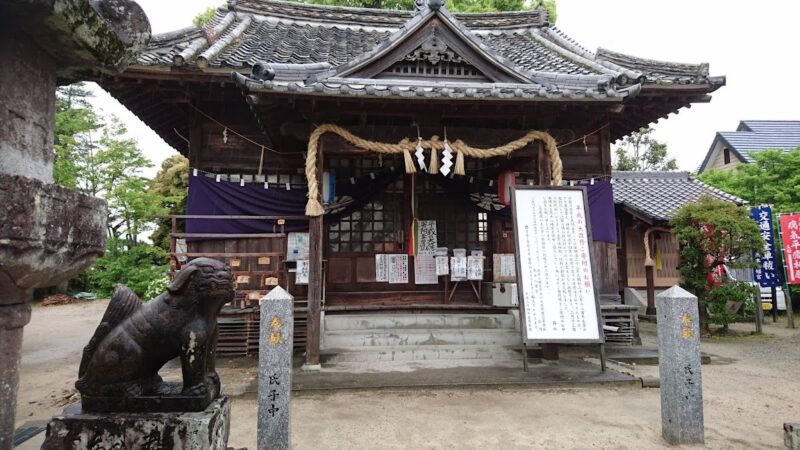
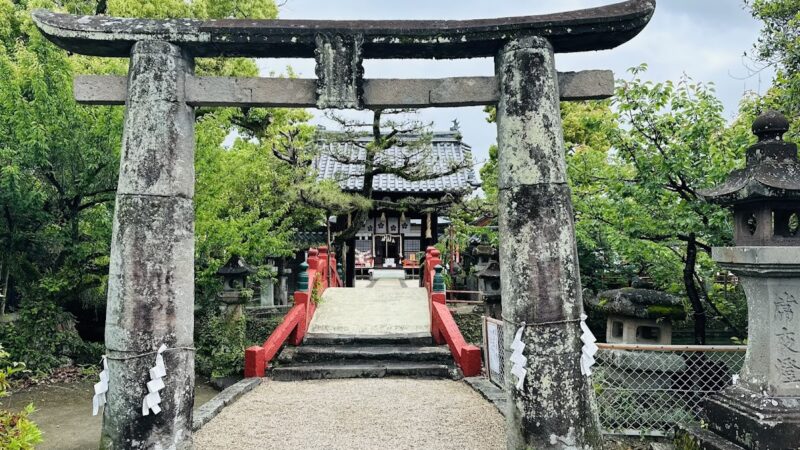
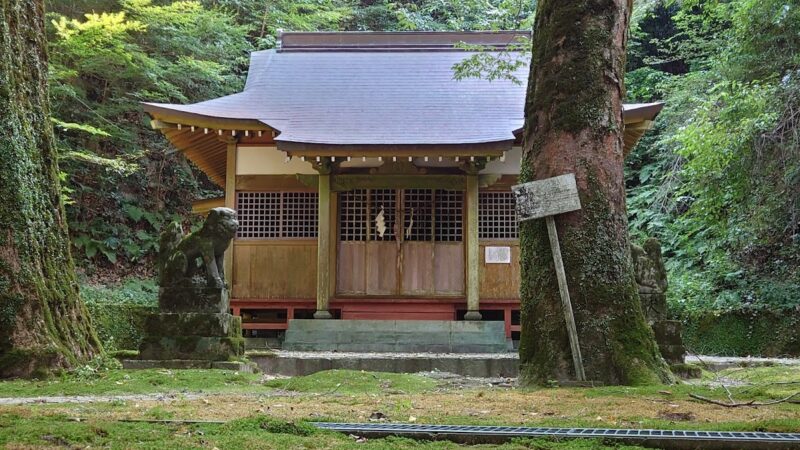
The shrine buildings of Tenman Shrine present a tranquil appearance that harmonizes with the natural environment of the mountainous region. The main hall is built in the traditional shrine architectural style and, along with the worship hall, is the center of local faith.
The shrine buildings are regularly maintained by the parishioners, who carry out cleaning and repairs. The simple yet meticulously maintained grounds offer visitors a tranquil atmosphere.
Nature within the Shrine Grounds
Located in the mountainous area of Fuji Town, the grounds of Tenman Shrine offer the enjoyment of natural beauty throughout the seasons.
Spring: During cherry blossom season, cherry blossoms bloom within and around the shrine grounds, delighting visitors. The beauty of the fresh greenery is also exceptional.
Summer: The grounds, enveloped in deep green, are cool and refreshing, filled with the sound of cicadas.
Autumn: The autumn leaves turn beautiful colors, painting the grounds in red and yellow. A harvest festival is also held to express gratitude.
Winter: Snow sometimes falls, creating a sacred atmosphere enveloped in silence.
Komainu and Stone Sculptures
The shrine grounds are dotted with stone sculptures such as komainu (guardian lion-dogs) and stone lanterns, which evoke a sense of history. These were donated by local people and convey the history of faith to the present day.
How to Worship and Manners
Basic Worship Etiquette
When visiting Tenman Shrine, please observe the following etiquette:
- Bow at the Torii Gate: Bow before passing through the torii gate. This shows respect for entering the sacred area.
- Walking Along the Path: The center of the path is considered the path of the gods, so it is polite to walk along the sides.
- Procedure for Washing Hands: If there is a water basin for washing hands, purify yourself in the following order:
- Hold the ladle in your right hand and wash your left hand.
- Switch the ladle to your left hand and wash your right hand.
- Switch the ladle back to your right hand, receive water in your left hand, and rinse your mouth.
- Finally, hold the ladle upright and wash the handle.
- Worship at the Main Hall: The basic procedure is “two bows, two claps, one bow”:
- Quietly place your offering in the offering box.
- Ring the bell if there is one.
- Bow deeply twice.
- Clap your hands twice.
- Pray with sincerity.
- Finally, bow once.
- When Leaving: After exiting the torii gate, turn around and bow once.
Attire for Worship
No special formal attire is required, but it is desirable to wear clean and subdued clothing, reflecting the mindset of visiting a deity. Avoid extremely light clothing, even in summer.
Annual Events and Festivals
Annual Festival
Tenman Shrine holds various festivals throughout the year. The autumn annual festival, in particular, is an important local event, with many parishioners participating.
New Year’s Visit
At the start of the new year, local people visit the shrine for their first shrine visit of the year, praying for safety throughout the year, the health of their families, and academic success.
Tenjin-sama Day
Special prayers are sometimes held on February 25th, the anniversary of the death of Sugawara no Michizane, or on the 25th of each month.
Nearby Attractions
Nature of Fuji-cho
Fuji-cho in Saga City is a naturally rich area, sometimes called the “inner sanctuary of Saga.” When visiting Tenman Shrine, you can also enjoy the following nearby spots:
Kasegawa Dam: A representative tourist spot in Fuji-cho, known for its beautiful scenery around the dam lake.
Furuyu Onsen: A hot spring resort with a history of approximately 2,000 years, known for its lukewarm waters.
Kumanokawa Onsen: A popular hot spring resort known for its skin-beautifying properties.
Fuji Shakunage Lake: An artificial lake known for its cherry blossoms and autumn foliage.
Local Products of Fuji Town
Fuji Town is blessed with clear streams and abundant nature, and boasts the following local products:
- Fuji Clear Stream Rice: Delicious rice grown with the pure water of the Kase River
- Wild Vegetables: Seasonal wild vegetables such as bracken and fiddlehead ferns
- River Fish: Clear stream fish such as cherry salmon and sweetfish
- Soba Noodles: Handmade soba noodles made with locally produced buckwheat flour
Access Information
Access by Car
Access to Tenman Shrine is convenient by car.
From central Saga City:
- Head north on National Route 263 towards Fuji-cho
- Travel time: Approximately 40-50 minutes
- Distance: Approximately 25 km
From Fukuoka City:
- Use the Fukuoka Urban Expressway and the Nishi-Kyushu Expressway
- Exit at Saga Yamato IC and head north on National Route 263
- Travel time: Approximately 1 hour 20 minutes
From Nagasaki Expressway:
- Exit at Saga Yamato IC and head north on National Route 263 towards Fuji-cho
- Travel time: Approximately 30 minutes from the IC
Parking: Parking is available on the temple grounds or in the surrounding area, but it may be crowded during festivals.
Access by Public Transportation
Access by public transportation is limited.
From JR Saga Station:
- Take the Saga City Bus bound for “Furuyu Onsen” or “Kumanokawa Onsen”.
- Access is on foot from the nearest bus stop.
- Since bus service is infrequent, it is recommended to check the timetable in advance.
By Taxi:
- Approximately 40-50 minutes by taxi from JR Saga Station.
- The fare is approximately 8,000-10,000 yen (estimate).
Notes on Access
- Fuji-cho is a mountainous area, so there is a possibility of snow and icy roads in winter. When visiting in winter, it is recommended to use studless tires or carry snow chains.
- When searching with a car navigation system, please enter the address “1267 Kofukugawa, Fuji-cho, Saga City, Saga Prefecture”.
- Some roads are narrow, so please drive carefully.
- Cell phone reception may be weak in some areas, so it is advisable to check a map in advance.
Precautions for Visiting the Shrine
Visiting Hours
Tenman Shrine is generally open for worship all day, but the shrine office may not always be staffed. If you wish to obtain a Goshuin (shrine stamp) or amulet, it is recommended to check in advance.
Manners and Consideration
- The shrine grounds are a sacred place. Please worship quietly and refrain from speaking loudly or making noise.
- Please take all your trash with you.
- Photography is permitted, but please be considerate of other worshippers.
- If there are areas where photography is prohibited, such as inside the main hall, please follow the instructions.
- Please refrain from bringing pets to the shrine, or carry them if necessary.
Seasonal Clothing Advice
Spring/Autumn: Daytime temperatures are mild, but mornings and evenings can be chilly. Bring a light jacket or cardigan.
Summer: Although it is in a mountainous area, it gets hot during the day. Prepare a hat, parasol, and water. Insect repellent is also recommended.
Winter: Temperatures are low, and it may snow. Thorough cold-weather gear such as warm clothing, gloves, and scarves are necessary.
About Tenmangu Shrines and Tenjin Worship
Nationwide Tenmangu Shrine Network
Tenman shrines are one of approximately 12,000 Tenmangu and Tenjin shrines throughout Japan. The head shrines are Dazaifu Tenmangu in Dazaifu City, Fukuoka Prefecture, and Kitano Tenmangu in Kyoto City, Kyoto Prefecture. Tenmangu worship spread throughout the country from these shrines.
There are also many Tenmangu shrines in Saga Prefecture, each worshipped as the god of learning in its respective region. The Tenmangu Shrine in Fuji Town is also part of this nationwide network of worship, attracting the faith of local people.
The Relationship Between Tenjin and Cows
Cow statues and figurines are commonly seen at Tenmangu shrines. This stems from the deep connection between Sugawara no Michizane and oxen:
- Michizane is believed to have been born in the Year of the Ox.
- There is a legend that an ox helped Michizane on his way to Dazaifu.
- There is a legend that the ox-drawn cart carrying Michizane’s body broke down at a certain point, and that place became his burial site.
For this reason, oxen are considered divine messengers at Tenmangu shrines and are worshipped as “Nade-ushi” (stroking oxen). It is believed that stroking the ox statue brings blessings for academic success and recovery from illness.
Plum Blossoms and Tenjin-sama
Another symbol of Tenmangu shrines is the plum blossom. Michizane loved plum blossoms and composed many waka poems about them. Particularly famous is the poem he is said to have composed when he was exiled from Kyoto to Dazaifu:
“When the east wind blows, send forth your fragrance, O plum blossoms; do not forget spring, even though your master is gone.”
Because of the legend of this poem, plum trees are often planted at Tenmangu shrines, and the plum blossom is used as the shrine’s crest.
Visiting during exam season
Time for praying for success
Tenman Shrine, dedicated to the god of learning, attracts many visitors, especially during exam season.
New Year’s Visit: Praying for academic success throughout the year at the start of the new year
Just Before Exams: Praying for success 1-2 weeks before the exam
Reporting Success: A thank-you visit after passing the exam
Proper Procedure for Praying for Success
- Calm your mind and pray.
- Mentally state your name, address, school name, and desired school.
- Pray with a humble attitude, not “Please let me pass,” but “May my efforts bear fruit.”
- If you receive a protective amulet, keep it with you at all times or place it near your study desk.
- After passing the exam, be sure to return to the shrine to express your gratitude.
History and Culture of Fuji Town
Origins of Fuji Town
Fuji Town, Saga City, was an independent municipality as Fuji Town, Saga District, until its merger with Saga City on October 1, 2005. The town name originates from “Mount Fuji” (elevation 1,055m), a symbol of the region.
This region has long been known for its thriving forestry and agriculture, blessed with the clear waters of the Kase River and abundant forest resources. During the Edo period, it played a vital role as a timber supply area within the territory of the Saga Domain.
Local Traditional Culture
Fuji-cho has a long history of traditional culture:
Kagura: Kagura (sacred Shinto music and dance) is performed at local shrines, preserving this traditional art form.
Festivals: Spring and autumn festivals are held at shrines in each district, strengthening community bonds.
Folk Events: Seasonal traditional events continue to this day.
Summary
Tenman Shrine, located in Kofukugawa, Fuji-cho, Saga City, Saga Prefecture, is a historic shrine dedicated to Sugawara no Michizane, the god of learning. Surrounded by abundant nature in a tranquil setting, it attracts the faith of local people and is a beloved place for praying for academic success and passing exams.
For students preparing for exams, their families, and anyone wishing for academic advancement, Tenman Shrine is a source of spiritual support. You can enjoy the beautiful nature of Fuji-cho while quietly praying and finding peace of mind.
While access is most convenient by car, public transportation is also available. The shrine grounds, where you can enjoy the beauty of nature throughout the seasons, are worth visiting not only for worship but also as a place of spiritual healing.
Nearby are hot spring resorts such as Furuyu Onsen and Kumanokawa Onsen, as well as tourist attractions like the Kasegawa Dam, allowing you to fully enjoy the charm of Fuji-cho in conjunction with your visit to Tenman Shrine.
If you are considering praying for academic success or passing exams, why not visit Tenman Shrine in Fuji-cho, Saga City? The blessings of Sugawara no Michizane and the pure nature of Fuji-cho will surely support your wishes.