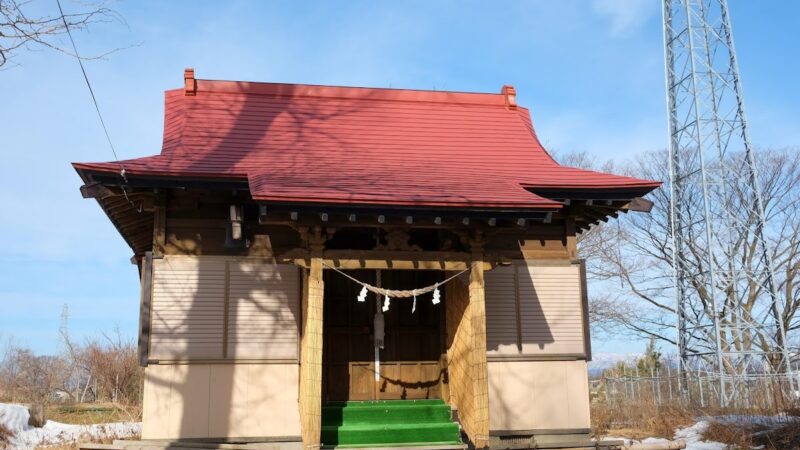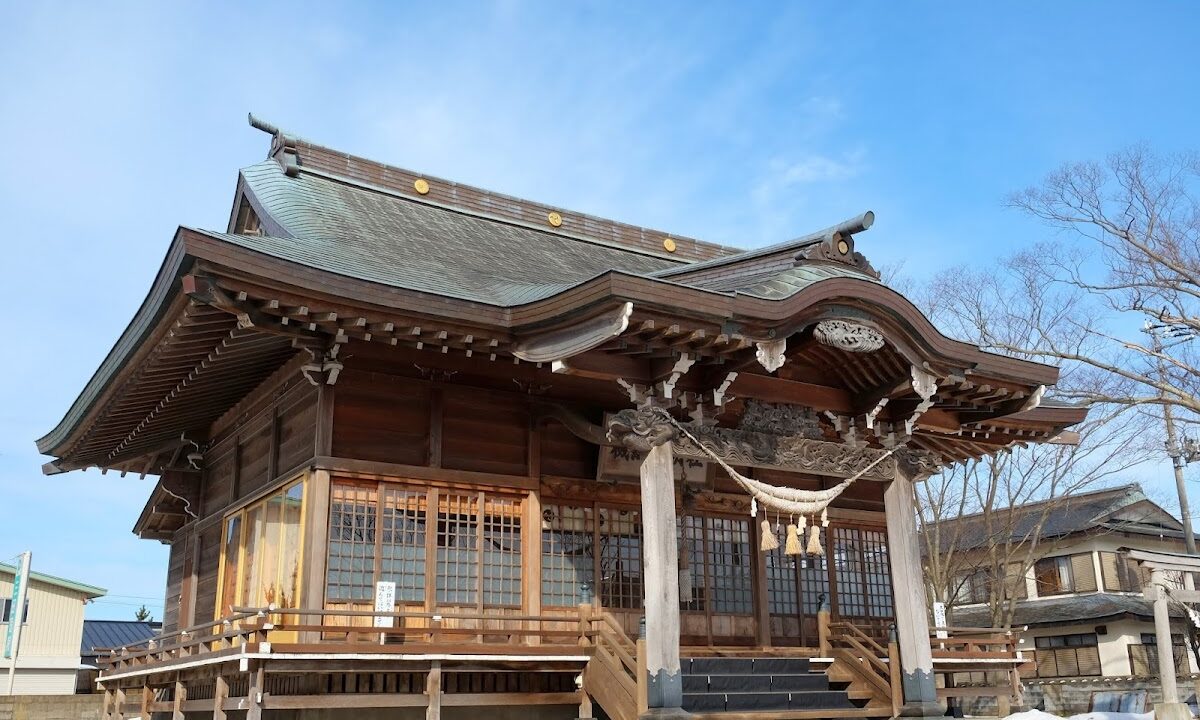
Hataori Shinmei Shrine (Noshiro City, Akita Prefecture): A Complete Overview of a Historic Shrine Derived from its Place Name
Located in Noshiro City, Akita Prefecture, Hataori Shinmei Shrine is a shrine with a unique name that tells the story of the region’s history. Situated in a quiet environment near Higashi-Noshiro Station, it preserves the memory of the time when this area was known as “Hataori Village.” This article provides a detailed explanation of the history, origins, characteristics, and role of Hataori Shinmei Shrine in the region.
Basic Information on Hataori Shinmei Shrine
Hataori Shinmei Shrine is a shrine located at 1 Hataori-Madono-me, Noshiro City, Akita Prefecture, and is registered as a religious corporation belonging to the Association of Shinto Shrines. Noshiro City is located in the northwestern part of Akita Prefecture and is known as a region that once prospered from the timber industry. Hataori Shinmei Shrine has existed as a center of faith for the local residents throughout its history.
Location and Access
Hataori Shinmei Shrine is located relatively close to Higashi-Noshiro Station, making it easily accessible for local residents. Located close to the city center of Noshiro, this shrine is nestled in a quiet residential area and is cherished by the local community.
Address: 1 Hataori-Madono-me, Noshiro City, Akita Prefecture (Postal Code: 016-0116)
Noshiro City is located on the Sea of Japan coast and has developed as a transportation hub since ancient times. The Hataori district, where Hataori Shinmei Shrine is located, is also an important place in the history of this region.
Origin and History of the Place Name “Hataori”
The most distinctive feature of Hataori Shinmei Shrine is that its name originates from the place name. This shrine is not dedicated to the god of sericulture or weaving; it was simply named as a Shinmei shrine located in the area called “Hataori.”
History of Hataori Village
This area was once known as “Hataori Village.” To determine when and how the place name “Hataori” (機織) was established, a detailed investigation of local historical documents and records is necessary. However, it is possible that the name itself has some connection to the region’s industry or culture.
Many place names throughout Japan originate from industry, geography, or historical events. The name “Hataori” may also suggest that the weaving industry was once thriving in this region, or that some event related to weaving took place there.
Relationship between Place Names and Shrine Names
There are various patterns in the naming of Japanese shrines. Sometimes the name is the name of the enshrined deity, sometimes it is prefixed with the name of the place where it is located, or sometimes it is a name that reflects the character or history of the shrine. In the case of Hataori Shinmei-sha, the name combines the place name “Hataori” with the type of shrine, “Shinmei-sha.”
What is a Shinmei-sha?
To understand Hataori Shinmei-sha, it is important to know about the type of shrine called “Shinmei-sha.” Shinmei-sha are a type of shrine found throughout Japan, representing a specific form of worship.
Relationship between Place Names and Shrine Names ### Deities Enshrined at Shinmei Shrines
Shinmei shrines generally enshrine Amaterasu Omikami as their principal deity. Amaterasu Omikami is the supreme deity in Japanese mythology and has been revered as the ancestral deity of the Imperial family. She is enshrined at the Inner Shrine of Ise Grand Shrine, and Shinmei shrines were established throughout the country to spread this faith.
Shinmei Shrines in Akita Prefecture
Besides the Hataori Shinmei Shrine, there are several other Shinmei shrines in Akita Prefecture. The most famous is the Tsuchizaki Shinmei Shrine in Tsuchizaki, Akita City. This shrine holds the rank of a prefectural shrine, and its festival float procession is registered as a National Important Intangible Folk Cultural Property and a UNESCO Intangible Cultural Heritage.
In Odate City, there is the Odate Shinmei Shrine, which functions as a center of local faith. Thus, there are several Shinmei shrines in Akita Prefecture, each deeply connected to the history and culture of its region.
While Hataori Shinmei Shrine is relatively small among these Shinmei shrines, its role in the community is by no means insignificant. For many years, it has functioned as a center of community unity, attracting the faith of local residents.
History and Cultural Background of Noshiro City
Noshiro City, where Hataori Shinmei Shrine is located, is situated on the Sea of Japan coast in northwestern Akita Prefecture. Understanding Noshiro City’s history and culture will allow for a deeper understanding of the significance of Hataori Shinmei Shrine.
Development of Noshiro City
Noshiro City flourished as a center for the collection and distribution of timber from the Edo period. The transportation of timber using the Yoneshiro River was thriving, and at one point, it was so prosperous that it was called the “finest timber city in the Orient.” Along with the development of this timber industry, Noshiro City’s population increased, and various cultures and beliefs blossomed.
Noshiro City has long had many shrines, each revered as a guardian deity of the region. Hataori Shinmei Shrine is one of them, and has served as a spiritual anchor for the residents of the Hataori district.
Characteristics of the Higashi-Noshiro Area
The Higashi-Noshiro area, where the Hataori Shinmei Shrine is located, is centered around JR Higashi-Noshiro Station. Higashi-Noshiro Station plays a crucial role as a junction point for the Ou Main Line and the Gono Line, making it a vital transportation hub.
This area is primarily residential, offering a quiet environment for residents to live their lives. Within this community, the Hataori Shinmei Shrine is cherished as an integral part of the residents’ daily lives.
Faith and Rituals of the Shinmei Shrine
This section examines the faith and rituals at the Hataori Shinmei Shrine, drawing on examples from other Shinmei shrines.
Annual Events
Various rituals are held throughout the year at Shinmei shrines. The most important is the annual grand festival, which is held in the autumn at most Shinmei shrines. In addition, seasonal rituals such as the New Year’s Day festival, Setsubun festival, and summer purification ceremony are commonly held.
It is believed that the Hataori Shinmei Shrine also holds annual events tailored to the specific circumstances of the region. Through these rituals, local residents have deepened their connection with the shrine and fostered a sense of community.
Relationship with Local Residents
Shrines are not merely religious institutions; they also play a central role in the local community. During festivals, local residents gather and participate in the preparation and operation, fostering intergenerational exchange.
The Hataori Shinmei Shrine, as the local guardian shrine, is also deeply connected to the lives of the residents. It is used by local residents as a place of worship for important life events such as New Year’s visits, Shichi-Go-San (a traditional rite of passage for children), and exorcisms, as well as for everyday prayers.
Shrine Administration in Akita Prefecture and the Hataori Shinmei Shrine
The Hataori Shinmei Shrine is officially registered as a religious corporation in Akita Prefecture and is under the jurisdiction of the Akita Prefectural Shrine Association.
Role of the Akita Prefectural Shrine Association
The Akita Prefectural Shrine Association is the organization that oversees shrines within Akita Prefecture. As a local branch of the Association of Shinto Shrines, it provides support for the operation of shrines within the prefecture, trains Shinto priests, and provides guidance on rituals. The Akita Prefectural Association of Shinto Shrines website offers a system for searching for shrines within the prefecture, and Hataori Shinmei Shrine is registered in this system.
Registration as a Religious Corporation
Hataori Shinmei Shrine is registered as a religious corporation in Akita Prefecture. It is also listed in the Akita Prefecture Religious Corporation Register as of December 31, 2024, and holds the status of a formal religious corporation. This ensures proper management and operation, and protects its religious activities.
Relationship between Hataori Shinmei Shrine and Sericulture/Weaving
Many people might imagine a connection to sericulture or weaving from the name Hataori Shinmei Shrine. However, in reality, Hataori Shinmei Shrine is not a shrine that enshrines a god of sericulture or weaving.
Difference from Sericulture Shrines
There are shrines related to sericulture and weaving throughout Japan. For example, in regions where sericulture was once thriving, such as Gunma and Nagano prefectures, many shrines dedicated to the god of silkworms can be found. Furthermore, the Kanhatorihatadono Shrine, a shrine under the jurisdiction of Ise Grand Shrine, enshrines the god who protects the weaving hall where garments offered to the gods were woven.
In the case of the Hataori Shinmei Shrine, its name does not derive from sericulture or weaving beliefs, but simply from the place name “Hataori.” In other words, it means “a Shinmei shrine located in the Hataori region,” and the enshrined deity and the content of the beliefs are similar to other Shinmei shrines, centering on Amaterasu Omikami.
Significance of the Place Name
However, it cannot be denied that the place name “Hataori” itself may have some historical background. Various possibilities can be considered, such as the fact that weaving was once carried out in this region, or that there were legends or events related to weaving.
Through interviews with local elders and research into ancient documents, clarifying the origin of the place name “Hataori” (weaving) will further enhance the historical value of Hataori Shinmei Shrine.
Comparison with Shrines in Surrounding Areas
Many other shrines exist in Noshiro City and the surrounding areas besides Hataori Shinmei Shrine. Comparing it with these shrines will clarify the unique characteristics of Hataori Shinmei Shrine.
Major Shrines in Noshiro City
There are several shrines in Noshiro City, each attracting local faith. Many of these shrines are deeply connected to the region’s history, industry, or natural environment.
Hataori Shinmei Shrine is relatively small among these shrines in Noshiro City, but its importance in the Hataori district is by no means insignificant. As a community-oriented shrine, it is an integral part of the daily lives of the residents.
Shrines in Neighboring Areas such as Ugo Town
In Akita Prefecture, many municipalities other than Noshiro City have shrines. Shrines in neighboring areas such as Ugo Town also play important roles in their respective communities.
Comparing these shrines with Hataori Shinmei Shrine, while there are differences in scale and ritual practices, they share the common characteristic of attracting the faith of local residents and functioning as a community center.
The Role of Hataori Shinmei Shrine in Modern Times
As times change, so does the role of shrines. Hataori Shinmei Shrine is also taking on a new role in modern society.
As a Hub for Local Communities
In regional cities facing population decline and aging, shrines are crucial hubs for maintaining local communities. They play a role in strengthening community bonds by providing opportunities for residents to gather and interact through festivals and events.
Hataori Shinmei Shrine is also considered to function as a community hub in the Hataori district. Especially for the elderly, shrines are familiar places of worship and places to interact with local people.
Inheritance of History and Culture
Shrines also play a role in passing on local history and culture to future generations. In the case of Hataori Shinmei Shrine, it possesses historical and cultural value as an entity that preserves the old place name “Hataori” (weaving).
Learning about the history and origins of the shrine helps local children develop a sense of attachment and pride in their hometown. This educational function is one of the important roles that modern shrines play.
Points to Note When Visiting Hataori Shinmei Shrine
There are several points to keep in mind when visiting Hataori Shinmei Shrine.
Manners for Worship
When visiting a shrine, it is important to observe basic manners. Bow when passing through the torii gate and avoid walking in the center of the path. If there is a purification fountain, cleanse your hands and mouth before proceeding to the main hall.
The basic way to worship at the main hall is two bows, two claps, and one bow. Quietly place your offering, ring the bell, bow deeply twice, clap twice, and finally bow once.
Photography and Consideration
When taking photographs at a shrine, consideration for those around you is necessary. Especially when a ritual is being performed or when other worshippers are present, be careful not to disturb them.
Also, some shrines prohibit photography, so it’s best to check beforehand or be discreet if you’re unsure.
Consideration for the Community
Hataori Shinmei Shrine is located within a residential area. When visiting, it’s important to be considerate of the lives of nearby residents and observe basic manners such as not making noise and not parking on the street.
Shrine Culture of Akita Prefecture and Hataori Shinmei Shrine
To understand Hataori Shinmei Shrine, it’s helpful to know about the shrine culture of Akita Prefecture as a whole.
Characteristics of Shrines in Akita Prefecture
It is estimated that there are approximately 1,200 shrines in Akita Prefecture. These shrines have diverse histories, ranging from those with ancient histories to those founded in the early modern period.
Characteristics of shrines in Akita Prefecture include the large number of shrines influenced by mountain worship and Shugendo (mountain asceticism), and the presence of many shrines dedicated to sea gods due to its geographical location on the Sea of Japan side.
Shrines and Local Festivals
Akita Prefecture is also known as a region with a rich festival culture. Many nationally renowned festivals exist in the area, such as the Akita Kanto Festival and the float procession of the Tsuchizaki Shinmei Shrine Festival.
Many of these festivals are centered around shrines and are important elements in shaping the local identity. It is believed that the Hataori Shinmei Shrine also holds local festivals, albeit on a different scale.
Future Prospects and Challenges
Small local shrines, including the Hataori Shinmei Shrine, face several challenges.
Maintenance Challenges
With declining and aging populations, the maintenance of shrines has become a major challenge. Many shrines are experiencing a decrease in the number of parishioners and a shortage of people to carry out religious ceremonies.
It is believed that the Hataori Shinmei Shrine also needs to address these challenges. Building a sustainable management system through the cooperation of local residents and support from the Association of Shinto Shrines is crucial.
Cultural Value
The Hataori Shinmei Shrine possesses historical and cultural value as a place that preserves the old place name “Hataori” (weaving). Appropriately evaluating, preserving, and passing on this value will be a challenge for the future.
Efforts are needed to record and pass on the history of the region to future generations. This requires preserving the history of the shrine through various methods, such as interviews with elders, research of ancient documents, and documentation through photographs and videos.
Exploring New Roles
While maintaining its role as a traditional place of worship, it is also important to explore new roles in modern society. Diverse possibilities exist, such as a community hub, a place for cultural education, and a tourist resource.
By taking on a new role suited to the local circumstances, Hataori Shinmei Shrine can pave the way for a sustainable future.
Summary
Hataori Shinmei Shrine is a historic shrine located in Noshiro City, Akita Prefecture. Its name does not derive from the fact that it enshrines the god of sericulture and weaving, but rather from the fact that this area was once called “Hataori Village” (Weaving Village).
As a Shinmei Shrine, Hataori Shinmei Shrine enshrines Amaterasu Omikami and has attracted the faith of local residents, making it an important presence in the Hataori district community. Although not large in scale, it continues to be an integral part of the lives of the residents as a shrine deeply rooted in the community.
The Hataori Shinmei Shrine, which plays a part in the history and culture of Noshiro City, is a precious place that preserves the old place name “Hataori” (weaving). Despite facing challenges such as population decline and an aging population, its traditions are being preserved through the cooperation of the local people.
If you have the opportunity to visit Akita Prefecture, why not take a look not only at famous shrines like Tsuchizaki Shinmei Shrine and Odate Shinmei Shrine, but also at small, locally rooted shrines like Hataori Shinmei Shrine? There, the history of the region and the faith of the people quietly breathe life into.
Hataori Shinmei Shrine represents a typical example of a shrine in a regional Japanese city. While it may lack the grand festivals and tourist attractions of some other shrines, it will undoubtedly continue to watch over the land of weaving as an irreplaceable presence for the local residents.