Hattori Tenjin Shrine (Toyonaka City, Osaka Prefecture) Complete Guide | The Charm and Visiting Information of a Shrine with a 1400-Year History as the God of Feet
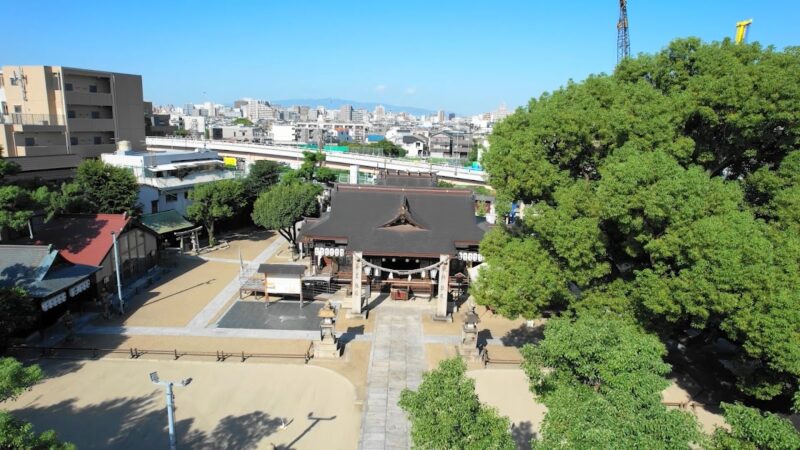
Hattori Tenjin Shrine, located in Hattori Motomachi, Toyonaka City, Osaka Prefecture, is a shrine widely revered in the Kansai region as the “God of Feet.” With a history of over 1400 years, it enshrines Sugawara no Michizane, the god of medicine, and is associated with the legend of his healing of foot ailments. Many people, including worshippers praying for foot health, athletes, and sports figures, visit the shrine.
This article comprehensively introduces information you should know before visiting Hattori Tenjin Shrine, including its history, highlights within the grounds, blessings, worship methods, and access information.
History and Origins of Hattori Tenjin Shrine
The Faith of the God of Medicine Continuing from Ancient Times
The origins of Hattori Tenjin Shrine are ancient, dating back to the reign of Emperor Ingyo (412-453 AD). It is believed that the Hata clan, who migrated to this area, enshrined Sukunahikona-no-Mikoto, known as the god of medicine. Sukunahikona-no-Mikoto, along with Okuninushi-no-Mikoto, is recorded in the Kojiki and Nihon Shoki as a god who built the nation and introduced technologies such as medicine, agriculture, and hot springs.
The Hata clan, as a clan of immigrant origin, brought advanced technologies and culture to Japan, and the place name Hattori is said to originate from the Hata clan’s weaving techniques. Due to this historical background, Hattori Tenjin Shrine has been a cultural center of the region, attracting worshippers for over 1400 years.
The Legend of Sugawara no Michizane and the Healing of Foot Disease
The reason Hattori Tenjin Shrine became widely known as the “god of feet” is an event that occurred in the first year of the Engi era (901 AD) during the Heian period. Sugawara no Michizane, on his way to exile in Dazaifu, was suddenly struck by beriberi (a foot disease) in this area and became unable to move.
It is said that when Sugawara no Michizane prayed at a local shrine for the healing of his foot ailment, his symptoms soon improved, and he was able to safely travel to Dazaifu. Because of this miraculous event, Michizane was enshrined here as a Tenmangu shrine, and since then, he has been widely worshipped as the “god of feet.”
Although its former rank was that of a village shrine, its unique blessings have made it a shrine visited by worshippers from all over the Kansai region and even from across Japan.
Main Deities and Blessings of Hattori Tenjin Shrine
Main Deities
Hattori Tenjin Shrine enshrines two main deities.
Sukunahikona-no-Mikoto
- God of Medicine and Health
- God of National Development
- God of Hot Springs and Sake Brewing
Sugawara no Michizane
- God of Learning
- God of Sincerity
- Guardian Deity of Feet
Because these two deities are enshrined here, Hattori Tenjin Shrine is known as a shrine that bestows a variety of blessings.
Main Blessings
Foot Health and Healing
The most famous blessing is for all kinds of wishes related to feet. It is believed to bring blessings for the recovery from foot diseases and injuries, maintaining leg and lower back health, and recovery from walking difficulties. Many elderly people also visit to pray for continued health and mobility.
Improvement in Sports Performance and Competition Results
Many students and athletes visit to pray for improvement in sports that use the feet, such as soccer, track and field, marathon, baseball, and basketball, and for victory in competitions. Especially before competitions, many athletes visit to pray for the best possible performance in their legs.
Safe Travel and Traffic Safety
As the god of feet, the shrine also grants blessings for safe travel and traffic safety. Many people visit before long-distance travel or trips to pray for a safe journey.
Academic Success
As the shrine enshrines Sugawara no Michizane, it also grants blessings as the god of learning. Many students and those taking exams visit this shrine to pray for academic success.
Health, Longevity, and Recovery from Illness
Thanks to the divine virtues of Sukunahikona-no-Mikoto, the god of medicine, the shrine also grants blessings for recovery from illnesses other than those affecting the feet, and for health and longevity.
Highlights and Worship Spots within the Shrine Grounds
Within the grounds of Hattori Tenjin Shrine, there are many unique worship spots befitting a shrine dedicated to the god of feet.
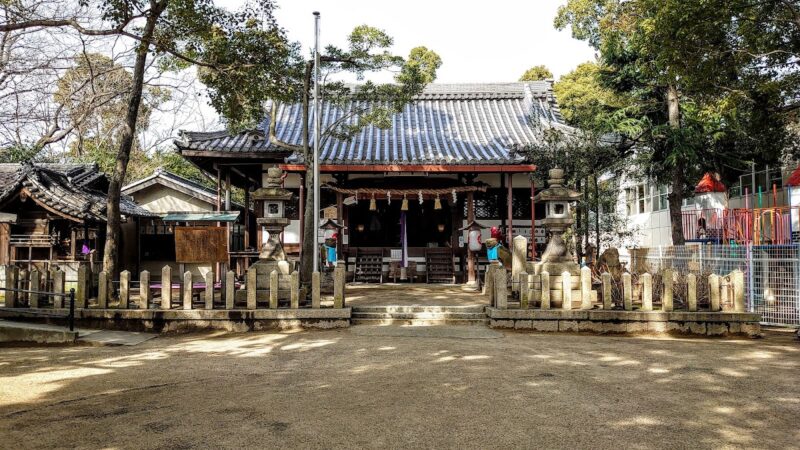
Main Hall
Located in the center of the grounds, the main hall is a sacred place where Sukunahikona-no-Mikoto and Sugawara no Michizane are enshrined. When visiting the shrine, first perform the proper ritual of two bows, two claps, and one bow at the main hall. Pray wholeheartedly for the health of your feet and for your wishes.
The Symbol of the Large Geta (Wooden Sandal)
Within the shrine grounds, there is a large geta, a symbol of Hattori Tenjin Shrine. This giant geta is a popular photo spot and an impressive object symbolizing the “god of feet.” Many people can be seen taking photos with it as a memento of their visit.
Zori-do (Sandal Hall)
Within the shrine grounds is a building called the Zori-do, a special place for praying for the health of your feet. Here, you can perform various prayers related to your feet.
Foot-Stepping Stone Prayer Pedestal
Within the shrine grounds is a unique prayer spot called the Foot-Stepping Stone Prayer Pedestal. It is believed that standing on this stone and praying for the health of your feet and for your wishes will grant you stronger blessings. This is a distinctive method of worship not found at other shrines, where you can pray while actually stepping on the stone.
Nature and Seasonal Scenery of the Shrine Grounds
The grounds of Hattori Tenjin Shrine offer beautiful scenery that changes with each season. You can enjoy the changing seasons with cherry blossoms in spring, hydrangeas in early summer, and autumn leaves in fall. Especially during the hydrangea season in June, limited-edition goshuin (shrine stamps) are offered, attracting many visitors.
Visiting Hours and Prayers
Visiting Hours
While you can generally visit the grounds of Hattori Tenjin Shrine freely, there are restrictions on the reception hours of the shrine office and the prayer reception hours.
- Shrine Grounds Visiting Hours: From sunrise to sunset (sometimes open 24 hours)
- Shrine Office Reception Hours: 9:00 AM to around 5:00 PM (may vary depending on the season)
- Prayer Reception Hours: 9:00 AM to around 4:00 PM
It is recommended to check the official website for exact times or inquire by phone in advance. Hours may change, especially during the New Year holidays and festivals.
About Prayers
Hattori Tenjin Shrine accepts various prayers. The shrine priests act as intermediaries between worshippers and the deities, offering sincere prayers for the fulfillment of your wishes.
Main Types of Prayers
- Prayers for Healthy Legs and Feet
- Prayers for Recovery from Illness
- Prayers for Improvement in Sports
- Prayers for Traffic Safety
- Prayers for Academic Success
- Prayers for Passing Exams
- Prayers for Family Safety
- Prayers for Business Prosperity
If you wish to request a prayer, please apply at the shrine office and pay the offering fee. The offering fee varies depending on the type of prayer, so it is best to check in advance.
About Amulets and Goshuin (Shrine Seals)
Types of Amulets
Hattori Tenjin Shrine offers various types of amulets, including those related to foot health.
Foot Amulet
This is the most popular amulet, given to those who wish for healthy feet or recovery from foot ailments. Many designs feature feet and shoes as motifs, and many people carry them attached to sports bags.
Sports Charms
These charms are for wishing for improvement in sports such as soccer and track and field, and success in competitions. They are popular among student athletes and young people involved in club activities.
Academic Success Charms
Due to the divine virtues of Sugawara no Michizane, charms are also given out to pray for passing exams and achieving academic success.
Health and Longevity Charms
Due to the protection of Sukunahikona-no-Mikoto, the god of medicine, these charms are for praying for good health and a long life.
About Goshuin (Shrine Seals)
At Hattori Tenjin Shrine, in addition to regular goshuin, special seasonal goshuin are also given out.
Year-Round Goshuin
This is the basic goshuin given out throughout the year. It features the calligraphy and red seal of “Hattori Tenjin Shrine.”
Limited Edition Goshuin (Shrine Seals)
- Hydrangea Limited Edition Goshuin: A beautiful goshuin featuring hydrangeas, given out around June in early summer.
- Wind Chime Festival Limited Edition Goshuin: A special goshuin given out during the summer wind chime festival.
- New Year’s Limited Edition Goshuin: A goshuin given out during the New Year period.
Since limited edition goshuin are only available for a limited time, it is recommended to check the latest information on the official website or social media before visiting. Hattori Tenjin Shrine also offers original goshuin notebooks.
Festivals and Annual Events
Hattori Tenjin Shrine holds various festivals and events throughout the year.
Hattori Foot Festival
The most important festival at Hattori Tenjin Shrine is the “Hattori Foot Festival.” Held annually over two days in late September, it is a festival to give thanks for healthy feet and pray for continued good health and walking.
During the festival, numerous stalls line the temple grounds, and special Shinto rituals are performed. A foot health consultation booth is sometimes set up, making it a major local event that attracts many worshippers. The 4th Hattori Foot Festival is scheduled for September 26th-27th, 2026.
Wind Chime Festival
In the summer, the Wind Chime Festival is held, with many wind chimes decorating the temple grounds. The refreshing sound of the wind chimes resonates throughout the grounds, creating a charming atmosphere that makes you forget the summer heat. During this period, limited-edition goshuin (temple stamps) featuring wind chimes are also available.
New Year’s Visit
Many worshippers visit the temple for their first shrine visit of the new year. The grounds are bustling with people praying for foot health, family health, academic success, and more in the new year. The first three days of the new year are especially crowded, so it is recommended to allow ample time for your visit.
Other Annual Events
- Setsubun Festival: Events such as bean-throwing are held on Setsubun in February.
- Spring Grand Festival: An important festival held in spring.
- Autumn Grand Festival: An important festival held in autumn.
- Monthly Festival: A regular monthly ritual.
About the Hankyu Three Tenjin Pilgrimage
Hattori Tenjin Shrine is known as one of the shrines in the “Hankyu Three Tenjin Pilgrimage” located along the Hankyu railway line.
Hankyu Three Tenjin
- Hattori Tenjin Shrine (Toyonaka City, Osaka Prefecture) – God of Feet
- Tsunashiki Tenjin Shrine (Kita Ward, Osaka City) – God of Teeth
- Tsunashiki Tenjin Shrine Otabisha (Kita Ward, Osaka City)
It is believed that visiting all three shrines brings blessings for overall health, and many worshippers bring special calligraphy paper or stamp books when making their pilgrimage. Located along the Hankyu Railway line, it’s easily accessible, making it possible to visit all three shrines in one day.
Cultural Properties and Mathematical Tablets
Hattori Tenjin Shrine houses cultural properties designated by Toyonaka City. Of particular note are the “mathematical tablets.”
Mathematical tablets are inscriptions of mathematical problems and their solutions dedicated to shrines during the Edo period, similar to votive tablets. They are valuable historical documents demonstrating the high level of mathematical culture in Japan at that time. The mathematical tablets at Hattori Tenjin Shrine speak to the high level of education in the region and the fact that the shrine also functioned as a place of learning.
Information about cultural properties is sometimes available on the shrine grounds and at the shrine office, so those interested in history and culture should inquire.
Access
Hattori Tenjin Shrine is very easily accessible, especially if using public transportation, as it’s within walking distance from the station.
Access by Train
From Hankyu Takarazuka Line “Hattori Tenjin Station”
- Approximately 1-2 minutes on foot
- Located immediately outside the station’s ticket gate, this is the easiest way to access the temple.
From Hankyu Takarazuka Line “Sone Station”
- Approximately 10 minutes on foot
From Osaka Metro Midosuji Line “Ryokuchi Koen Station”
- Approximately 15 minutes on foot
Access by Car
Location
1-2-17 Hattori Motomachi, Toyonaka City, Osaka Prefecture 561-0851
From Expressways
- Approximately 10 minutes from Meishin Expressway “Toyonaka IC”
- Approximately 10 minutes from Hanshin Expressway Route 11 Ikeda Line “Toyonaka Minami Exit”
Parking
Parking is available for visitors on the temple grounds. However, spaces are limited, and it may be crowded during festivals, weekends, and holidays. We recommend using public transportation whenever possible, but if you are visiting by car, please allow ample time for your visit.
Nearby Tourist Attractions
There are other spots worth visiting around Hattori Tenjin Shrine.
- Hattori Ryokuchi Park: A vast urban park where you can enjoy nature throughout the seasons.
- Japan Folk House Museum: An open-air museum located within Hattori Ryokuchi Park.
- Toyonaka City Shopping Street: A shopping street where you can experience the local atmosphere.
You can enjoy sightseeing in the surrounding area in conjunction with your visit to the shrine.
Notes and Manners for Visiting the Shrine
Basic Manners for Visiting the Shrine
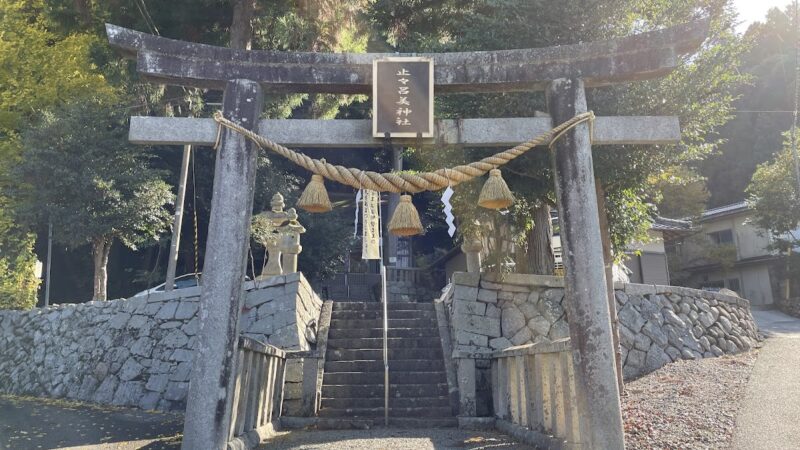
How to Pass Through the Torii Gate
When passing through the torii gate, bow before entering the shrine grounds. Since the center of the path is considered the path of the gods, it is polite to walk along the side.
How to Purify Yourself at the Water Basin
- Hold the ladle in your right hand and purify your left hand.
- Switch the ladle to your left hand and purify your right hand.
- Switch the ladle back to your right hand, receive water in your left hand, and rinse your mouth.
- Purify your left hand again.
- Hold the ladle upright, purify the handle, and return it to its original place.
How to Worship at the Main Shrine
- Gently place your offering in the offering box.
- Ring the bell if there is one.
- Bow twice (bowing deeply twice).
- Clap your hands twice.
- Pray with sincerity.
- Bow once (bowing deeply once).
Regarding Photography
Photography is generally permitted on the shrine grounds, but it is considered good manners to refrain from taking pictures inside the main shrine or during religious ceremonies. Please also be considerate of other worshippers.
Regarding Attire
While casual attire is acceptable for visiting the shrine, it is advisable to avoid overly casual or revealing clothing. Especially when receiving formal prayers, please aim for somewhat more formal attire.
The Charm of Hattori Tenjin Shrine and Recommendations for Visiting
Hattori Tenjin Shrine is a unique shrine known for its distinctive blessings as the “God of Feet.” With a history spanning over 1400 years, it enshrines two deities: Sukunahikona-no-Mikoto, the god of medicine, and Sugawara no Michizane, the god of learning. This allows for a variety of blessings, including not only foot health but also academic success and longevity.
Its excellent accessibility, just a 1-2 minute walk from Hattori Tenjin Station on the Hankyu Takarazuka Line, is another attractive feature. It’s easily accessible from Osaka city and Kyoto, making it ideal for day trips.
Within the shrine grounds, there are distinctive worship spots unique to a shrine dedicated to the god of feet, such as a large geta (wooden clog) symbol and a foot-stepping stone prayer pedestal, offering a unique worship experience unlike any other shrine. Hattori Tenjin Shrine offers a variety of events, including seasonal limited-edition goshuin (shrine stamps), a wind chime festival, and the Hattori Foot Festival, ensuring new discoveries with every visit.
This shrine is open to people with diverse wishes, including athletes, those concerned about foot health, students preparing for exams, and those seeking safety before travel. We highly recommend visiting Hattori Tenjin Shrine and experiencing the blessings of the deities who have watched over feet for over a thousand years.
Summary
Hattori Tenjin Shrine, located in Toyonaka City, Osaka Prefecture, is renowned as the “God of Feet.” With a history spanning over 1400 years since the reign of Emperor Ingyo, it enshrines Sukunahikona-no-Mikoto, the god of medicine, and Sugawara no Michizane.
Due to the legend of Sugawara no Michizane’s healing of foot ailments, it is widely worshipped as the “God of Feet,” offering various blessings including foot health, athletic improvement, traffic safety, and academic success. The shrine grounds feature unique worship spots such as the main hall, the sandal hall, and the foot-treading stone prayer platform. Seasonal goshuin (shrine stamps), wind chime festivals, and Hattori Foot Festival events are also held regularly.
The shrine boasts excellent access, being just a 1-2 minute walk from Hattori Tenjin Station on the Hankyu Takarazuka Line, and is located at 1-2-17 Hattori Motomachi, Toyonaka City, Osaka Prefecture. Parking is available on the grounds, making it accessible by car.
This shrine is highly recommended for many people, including those who care about foot health, athletes, students preparing for exams, and those seeking safety prayers before travel. Please visit Hattori Tenjin Shrine and receive the blessings of the gods.