Complete Guide to Kurahashi Sōsha Shrine (Toyonaka City, Osaka Prefecture) | A Thorough Explanation of the Carp Legend, History, and Goshuin Information
Kurahashi Sōsha Shrine, located in Shōmoto-machi, Toyonaka City, Osaka Prefecture, is a historic shrine that has long been affectionately known as “Koi no Miya” (Carp Shrine) or “Koi Jinja” (Carp Shrine). It is known for its diverse attractions, including the carp legend associated with Gyōki Bodhisattva in the Nara period, its deep connection to the Jōkyū War of the Kamakura period, and its modern-day appeal as a pilgrimage site for Hiroshima Carp fans.
This article comprehensively introduces all the information you need to know before visiting Kurahashi Sōsha Shrine, including its detailed history, enshrined deities, highlights within the grounds, goshuin information, and access methods.
Basic Information on Mukubashi Sōsha Shrine
Location: 1-2-4 Shōmoto-machi, Toyonaka City, Osaka Prefecture
Shrine Rank: Former Village Shrine
Alternate Names: Koi-no-miya, Koi-jinja
Main Deity: Susanoo-no-Mikoto
Mukubashi Sōsha Shrine is located in Shōmoto (Shōmoto), the center of the Higashi-Nishi Mukubashi Manor (a manor created in the mid-12th century when the Mukubashi Manor, a territory of the Sekkan family, was divided into Mukubashi Higashi Manor and Mukubashi Nishi Manor). It has been revered by the local people as the tutelary deity of the manor.
History of Mukubashi Sōsha Shrine
Tradition and Founding from the Age of the Gods
The origins of Mukubashi Sōsha Shrine are said to date back to the age of the gods. According to shrine tradition, it began when Susanoo-no-Mikoto descended from Takamagahara and was enshrined before the gods of this land.
During the reign of Emperor Sujin (circa 97 BC to 30 BC), it is said that Ikagashikoo-no-mikoto, the ancestor of the Kurahashibe-no-muraji clan, enshrined this deity in Kamitsushima (near present-day Imazaike). The Kurahashibe-no-muraji were an ancient clan that ruled the Kurahashi-sho area, and the Kurahashi-so-sha shrine functioned as their tutelary deity.
The Establishment of Kurahashi-sho and its Role as the General Burial Deity
In the late Heian period, this region became the “Kurahashi-sho” estate, a manor of the Sekkan family (regents and chancellors). In the mid-12th century, Kurahashi-sho was divided into east and west, forming Kurahashi-Higashi-sho and Kurahashi-Nishi-sho. The Mukubashi Sōsha shrine is located in Shōmoto, in the center of the East and West Mukubashi estates, and has come to serve as the guardian deity of the entire region as the principal tutelary deity of both estates.
The name “Sōsha” (総社) itself indicates that it is a shrine that enshrines and comprehensively worships the deities of multiple regions and estates. It functioned as a central place of worship in the area known as Mukubashi-shō Shinzen Matsubara, a place where people prayed for agriculture and the peace and prosperity of the region.
Deep Connection to the Jōkyū War
An essential aspect of the history of the Mukubashi Sōsha shrine is its connection to the Jōkyū War (1221), which occurred in the early Kamakura period.
At that time, the Mukubashi estate was the territory of Kamekiku, a favorite concubine of Emperor Go-Toba. A land dispute arose between this estate and the jitō (land steward) of the Kamakura shogunate, and this conflict is considered one of the triggers for the Jōkyū War. The background to Emperor Go-Toba’s uprising against the Kamakura Shogunate was a dispute over the rights to these manors, and Mukubashi Manor was one of the symbolic locations.
This historical event made the area where Mukubashi Soja Shrine is located a significant stage in Japanese history, and its historical value is still recognized today.
From the Edo Period to the Modern Era
Throughout the Edo period, Mukubashi Soja Shrine was worshipped as the local tutelary deity by the people of Shomoto Village and surrounding settlements. During the Meiji era’s reform of the shrine system, it was ranked as a village shrine, establishing its status as a public shrine in the region.
Even after the war, it continued to function as a center of the local community, and today it is cherished as a valuable historical and cultural heritage site of Toyonaka City, as well as a place of relaxation for citizens.
The Carp Legend and the Origin of “Koi no Miya” (Carp Shrine)
The origin of Mukubashi Soja Shrine being called “Koi no Miya” (Carp Shrine) or “Koi Jinja” (Carp Shrine) comes from a carp legend related to the Nara period high priest Gyoki Bodhisattva (668-749). ### Gyōki Bodhisattva and the Bridge Construction of the Inagawa River
During the Nara period, Gyōki Bodhisattva undertook social projects in various regions to provide relief to the people, including the construction of bridges, roads, and temples. When he undertook the construction of a bridge over the Inagawa River (present-day Kanzaki River) in this region, the river’s strong current made the construction extremely difficult.
The Miracle of the Carp
According to legend, as the construction stalled, a large number of carp suddenly appeared and helped carry the stones and timber that would form the foundation of the bridge piers. Because the bridge was successfully completed thanks to the carp’s cooperation, Gyōki Bodhisattva, grateful for this miracle, is said to have enshrined the carp as sacred creatures at the Mukubashi Sōsha shrine.
From this legend, the Mukubashi Sōsha shrine came to be known as the “Carp Shrine,” and even today, many facilities and traces of carp-related beliefs remain on the shrine grounds.
The Meaning of the Carp Legend
This legend is not merely a folktale, but is considered to symbolically convey the memory of ancient civil engineering techniques and regional water management projects. Flood control and bridge construction on the Inagawa River were essential for regional development, and the efforts of our ancestors who accomplished these difficult projects are passed down through generations through the familiar creature, the carp.
Deity and Divine Virtues
Main Deity: Susanoo-no-Mikoto
The main deity of Mukubashi Sōsha is Susanoo-no-Mikoto. Susanoo-no-Mikoto is an important deity in Japanese mythology, known as the younger brother of Amaterasu-Ōmikami.
Divine Virtues:
- Protection from Evil and Disaster: Based on the myth of slaying the Yamata no Orochi (eight-headed serpent), he is believed to have the power to ward off disasters.
- Protection from Agriculture: He also has the characteristics of a god of rice cultivation.
- Matchmaking and Family Safety: From his marriage to Kushinadahime, he is believed to have the divine virtue of good relationships and family harmony.
- Industrial Promotion: He also has aspects of a god of pioneering.
Enshrined Deities
In addition to Susanoo-no-Mikoto, it is believed that other deities deeply connected to the history of the region are also enshrined at Mukubashi Sōsha. However, it is recommended to check the specific enshrined deities on-site.
Highlights of the Shrine Grounds
Shrine Buildings
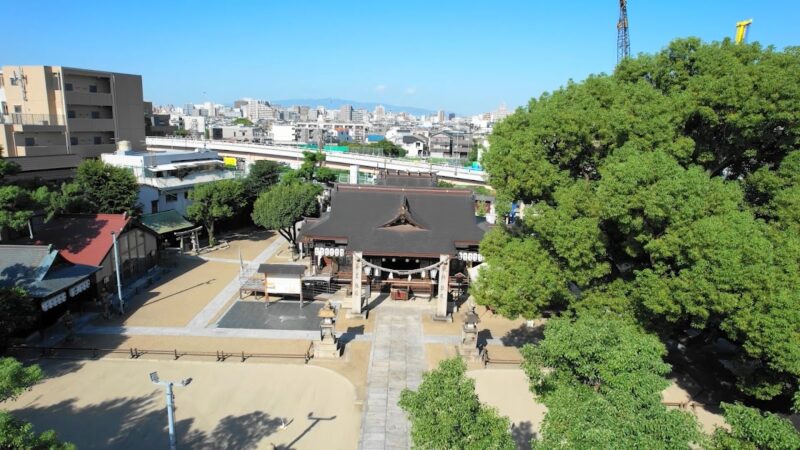
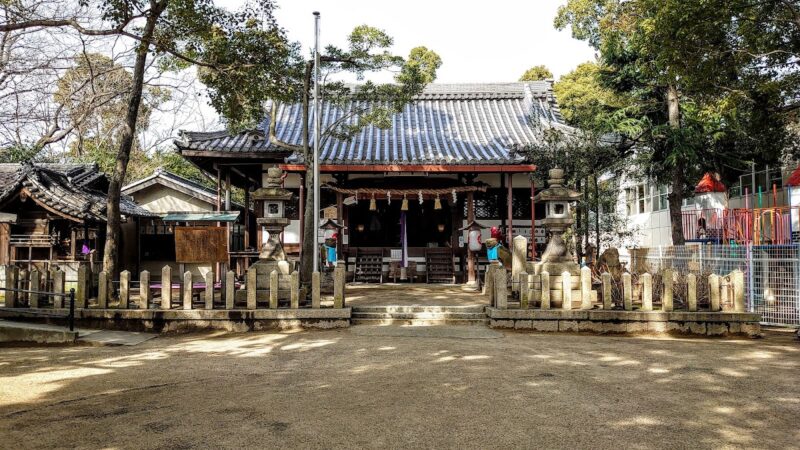
The shrine buildings of Mukubashi Sōsha are structures that convey the style of traditional shrine architecture. The main hall, while simple, has a dignified structure and, together with the worship hall, conveys the history of the region to the present day.
Within the shrine grounds, there is a carp mound, which is an important object of worship that conveys the legend of the carp. The Koizuka (Carp Mound) was erected to express gratitude and respect for carp, and is one of the most distinctive features of Mukubashi Sōsha Shrine.
Carp Pond
Within the shrine grounds is a carp pond where you can actually see carp swimming. This pond is a beloved place for worshippers as it embodies the legend of the carp. The sight of children feeding the carp is a particularly heartwarming scene on the shrine grounds.
The carp pond is not merely a pond for ornamental purposes; it also holds significance as a place of worship where carp, considered sacred creatures, are actually dedicated and raised.
A Holy Site for Hiroshima Carp Fans
In recent years, Mukubashi Sōsha Shrine, also known as “Koi no Miya” (Carp Shrine), has become known as a “holy site” among fans of the professional baseball team Hiroshima Toyo Carp (nicknamed “Carp”).
Before the season and playoffs, Carp fans sometimes visit to pray for victory, and Carp merchandise is sometimes offered as a votive offering. The shrine warmly welcomes these visitors, and this is attracting attention as a new form of faith through sports.
Atmosphere of the Shrine Grounds
Despite being located in a residential area, the grounds of Mukubashi Sōsha Shrine maintain a tranquil atmosphere. Ancient trees flourish, creating a space where one can feel nature even in an urban area.
In particular, the pine trees, remnants of the Mukubashi-shō Shinzen Matsubara (Mukubashi Shrine Pine Grove), and the plantings that change with the seasons, provide peace and tranquility to visitors.
Main Festivals and Annual Events
Autumn Grand Festival (Autumn Festival)
The most important festival of Mukubashi Sōsha Shrine is the Autumn Grand Festival (Autumn Festival). Held every autumn, this festival is a grand event in which local parishioners and residents participate.
Main Contents:
- Mikoshi Procession
- Danjiri Float Procession
- Dedicatory Performances
- Stalls
The Autumn Grand Festival is a traditional event expressing gratitude for a bountiful harvest and praying for the peace and prosperity of the community. It also functions as a place for intergenerational exchange.
Other Annual Events
- New Year’s Day Festival (January 1st): Prayers for the New Year
- Setsubun Festival (around February 3rd): Prayers for warding off evil
- Summer Purification Ceremony (June 30th): A Shinto ritual to purify oneself of the impurities accumulated over the past six months
- Monthly Festival: Regular monthly festivals
These festivals are important opportunities to deepen the bonds of the local community.
Goshuin Information
Goshuin (temple/shrine stamps) are available at Mukunohashi Soja Shrine. Goshuin are popular among many worshippers as proof of their visit and as a tangible representation of their connection with the shrine.
Features of the Goshuin (Shrine Seal)
The Goshuin of Mukubashi Sōsha Shrine sometimes includes the words “Koi no Miya” (Carp Shrine) along with the shrine’s name, making it a distinctive design that conveys the legend of the carp.
Hours and Location of Issuance
Goshuin are issued at the shrine office, but this is not always possible. If you wish to receive a Goshuin, it is recommended to contact the shrine in advance.
Notes:
- The Goshuin is proof of your visit, so be sure to pray before receiving it.
- It is advisable to bring your Goshuincho (stamp book).
- The offering fee is generally around 300 to 500 yen.
Access and Transportation Information
Access by Train
Nearest Stations:
- Hankyu Takarazuka Line “Shōnai Station”: Approximately 15 minutes on foot
- Hankyu Kobe Line “Kanzakigawa Station”: Approximately 20 minutes on foot
Access from Shōnai Station is the most convenient. Exit the station and head northwest. After passing through the residential area, you will arrive at Mukubashi Sōsha Shrine.
Access by Bus
If using Hankyu Bus, the nearest bus stop is “Shōmoto-machi.” It’s a few minutes’ walk from the bus stop.
Access by Car
Route from Major Roads:
- Turn west from National Route 176
- Approximately 10 minutes from the Toyonaka Minami IC on the Hanshin Expressway Route 11 Ikeda Line
Parking: There is some parking space on the shrine grounds, but the number of spaces is limited. During festivals and other times, surrounding roads become congested, so we recommend using public transportation.
Landmarks in the Area
Mukubashi Sōsha Shrine is located in the residential area of Shōmoto-machi, Toyonaka City. Shōmoto Park and other landmarks are nearby, and locals will kindly provide directions if you ask them.
Nearby Attractions and Tourist Spots
Inagawa River (Kanzaki River)
The Inagawa River (present-day Kanzaki River), the setting for the carp legend, is within walking distance of Mukubashi Soja Shrine. The riverside promenade is a popular recreational spot for locals, and visitors can enjoy the changing seasons from the riverbank.
Hattori Ryokuchi Park
Located approximately 3km north of Mukubashi Soja Shrine, Hattori Ryokuchi Park is one of the largest parks in Osaka Prefecture. Its vast grounds include the Japan Folk House Museum, a riding center, and a barbecue area, making it ideal for family outings.
Toyonaka City Local History Museum
This museum offers insights into the history and culture of Toyonaka City. Exhibits cover the history of Mukubashi-sho and its connection to the Jokyu War. Visiting it in conjunction with a visit to Mukubashi Soja Shrine will provide a deeper understanding.
Manners and Precautions for Visiting a Shrine
Basic Worship Etiquette
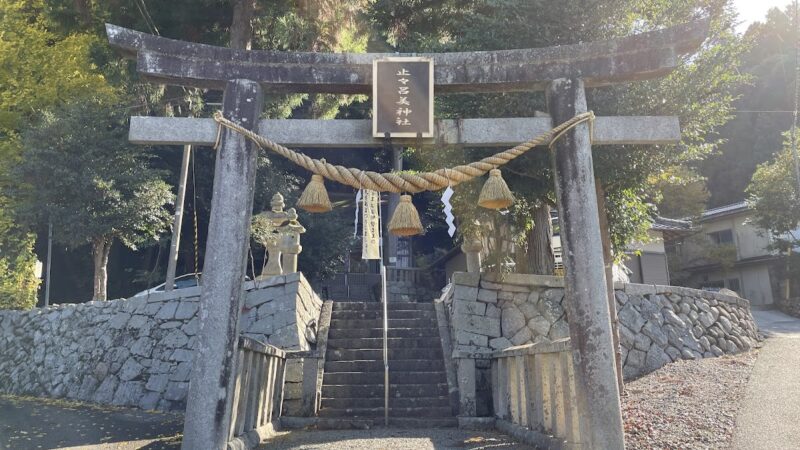
- Bow before passing through the torii gate.
- Purify your body and mind at the water basin: Left hand → Right hand → Mouth → Handle of the ladle in your left hand
- Bow twice, clap twice, and bow once in front of the main hall.
- Remain quiet within the shrine grounds.
Photography
Photography is generally permitted within the shrine grounds, but may be restricted during festivals or religious ceremonies. Also, please be considerate of the privacy of other worshippers and refrain from taking photos that prominently feature people.
Manners for the Koi Pond
The carp in the koi pond are considered sacred creatures and are treated with respect. Feeding them or throwing objects into the pond is strictly prohibited. When observing the carp, please do so quietly.
The Modern Significance of Mukubashi Soja Shrine
The Core of the Local Community
Mukubashi Soja Shrine has consistently been a central presence in the local community from ancient times to the present day. Through festivals and cleaning activities, it fosters intergenerational exchange and strengthens community bonds.
A Place for Historical Education
Mukubashi Soja Shrine serves as a living historical teaching tool, conveying its connection to the important historical event of the Jokyu War and the memory of the social work of Gyoki Bodhisattva. Local schools sometimes visit it as part of their local history studies.
Preservation of Nature and History in an Urban Area
Located within the large metropolitan area of Osaka, Mukubashi Soja Shrine is a valuable green space and a place that preserves a historical landscape. Amidst urban development, the importance of preserving such historical spaces is being re-recognized.
A New Form of Faith
Its role as a sacred site for Hiroshima Carp fans is an interesting example of traditional shrine faith taking on a new form in modern society. The fusion of modern sports culture and traditional shrine faith is creating a new demographic of visitors. ## Summary: The Charm of Mukubashi Sōsha Shrine
Mukubashi Sōsha Shrine is a representative historical shrine in Toyonaka City, Osaka Prefecture, with a multi-layered history encompassing the carp legend of the Nara period, the manorial system of the Heian period, and the Jōkyū War of the Kamakura period.
Its friendly nickname, “Koi no Miya” (Carp Shrine), the carp pond and carp mound within the grounds, and the legend of Gyōki Bodhisattva convey to visitors the traditional culture of Japan and the wisdom of our ancestors. Furthermore, its historical importance as the starting point of the Jōkyū War demonstrates that this small shrine was involved in a major turning point in Japanese history.
In modern times, in addition to its role as the local guardian shrine, it has also gained a new aspect as a sacred site for Hiroshima Carp fans, making it an open shrine visited by diverse people.
When visiting Toyonaka City, Osaka Prefecture, be sure to visit Mukubashi Sōsha Shrine and spend some quiet time in a space where over a thousand years of history breathes. The carp in the carp pond will surely welcome you gently.