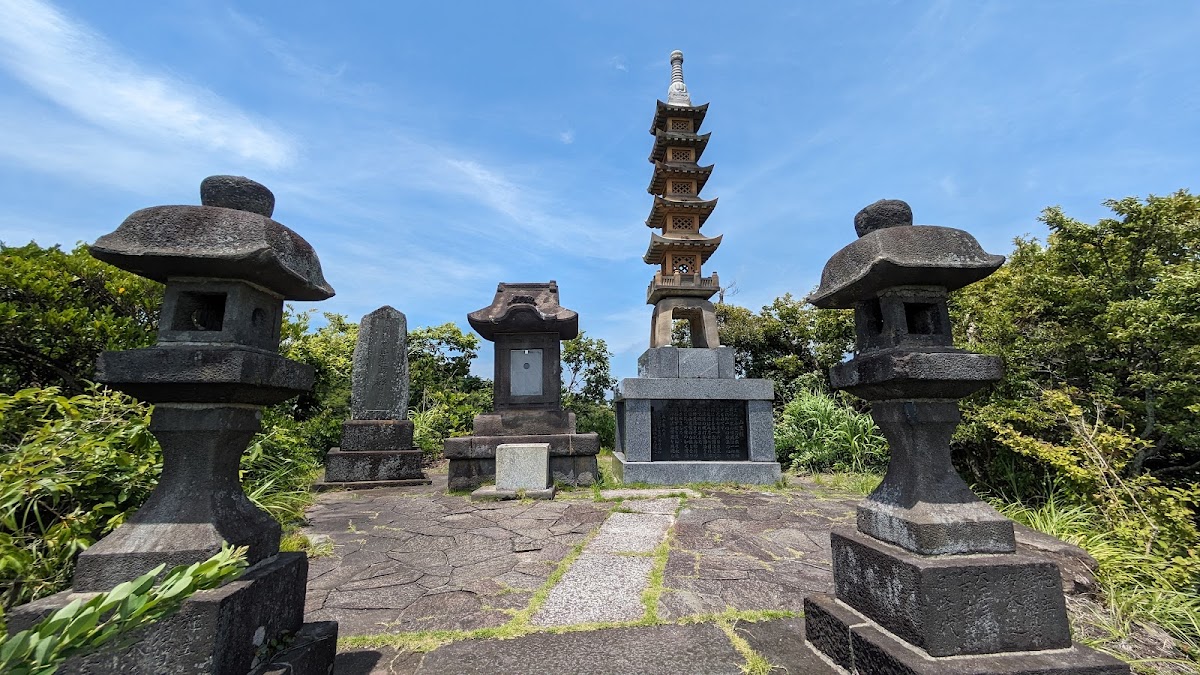
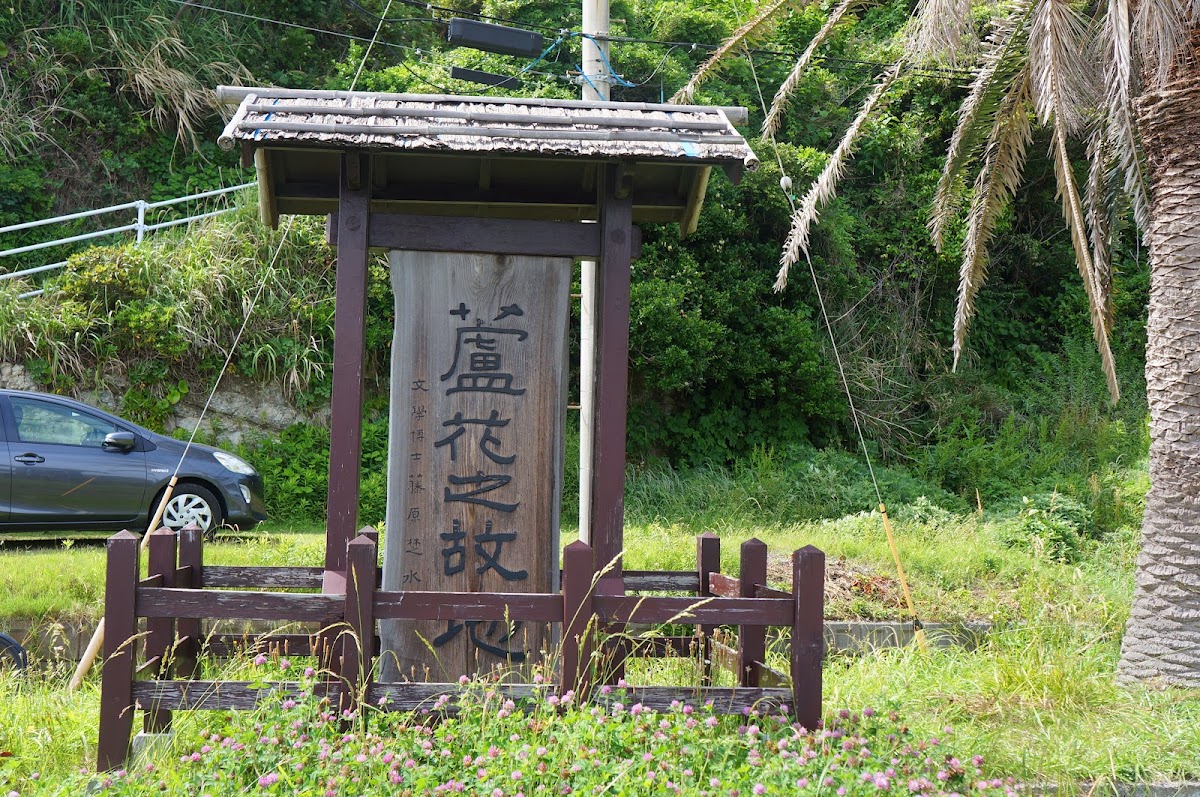
Kenshoji Temple (Kamakura City, Kanagawa Prefecture) Complete Guide | A Honmon Butsuryu Sect Temple Overlooking the Sea
Kenshoji Temple, located in Shichirigahama, Kamakura City, Kanagawa Prefecture, is a Honmon Butsuryu Sect temple overlooking the Shonan Sea. It boasts an excellent location, just a 3-4 minute walk from Shichirigahama Station on the Enoshima Electric Railway, offering a peaceful environment for worship while enjoying the ocean view. This article provides a detailed overview of Kenshoji Temple, including its history, sectarian characteristics, access information, cemetery and tree burial information, and various events held at the temple.
Basic Information on Kenshoji Temple
Kenshoji Temple is a Honmon Butsuryu Sect temple located in Shichirigahama, Kamakura City. Its official name is “Kamakurayama Kenshoji.” Its mountain name is Kamakurayama, and it is an important base for Honmon Butsuryu Sect in the Shonan area, attracting local faith.
Location and Contact Information
- Address: 1-5-21 Shichirigahama, Kamakura City, Kanagawa Prefecture 248-0026
- Phone: 0467-31-6441
- Sect: Honmon Butsuryu-shu
- Mountain Name: Kamakura-san
- Visiting Hours: 9:00 AM – 5:00 PM
- Admission Fee: None (Donation)
Location Features
The most distinctive feature of Kenshoji Temple is its location. Located near the Shichirigahama coastline, the temple grounds offer views of Sagami Bay, Enoshima Island, and on clear days, even Mount Fuji. Situated just across the Enoden railway crossing, it’s a seaside temple where you can smell the ocean and hear the sound of waves, giving it a unique atmosphere even within the Kamakura area.
The main hall, with its vibrant white and vermilion colors, is a relatively new building and is carefully maintained despite its seaside location. Because of its proximity to the sea, measures have been taken to prevent salt damage, maintaining a clean and tidy temple grounds.
History and Origins of Kenshoji Temple
The history of Kenshoji Temple dates back to the propagation activities of the Honmon Butsuryu sect from the late Meiji period to the Taisho period.
Founding History
Kenshoji Temple was established in 1915 (Taisho 4) in Ogigayatsu, Kamakura, as the first base for regional propagation by Josenji Temple in Shibuya, Tokyo, and as the first main temple. It boasts a history of over 100 years as a historically significant temple during the late Meiji period when propagation began in the southern Kanagawa Prefecture, the so-called “Shonan” region.
Relocation to Current Location
Initially located in Ogigayatsu, Kamakura, it later relocated to its current location in Shichirigahama. The current location overlooking the sea was chosen as an environment that provides peace of mind to worshippers, and it has developed as a central temple of the Honmon Butsuryu sect in the Shonan area.
Relationship with the Honmon Butsuryu sect
The Honmon Butsuryu sect is a sect based on the teachings of Nichiren Shonin, and Kenshoji Temple belongs to the lineage with Josenji Temple in Shibuya, Tokyo, as its head temple. As a historical center for propagation in the Shonan region, it continues to play a central role in local religious activities.
About the Honmon Butsuryu sect
Understanding the characteristics and teachings of the Honmon Butsuryu sect, to which Kenshoji Temple belongs, will deepen your understanding of the temple.
Origins of the sect
The Honmon Butsuryu sect is one of the Nichiren sects that inherits the teachings of Nichiren Shonin. “Butsuryu” means “where Buddha stands,” and it emphasizes practicing faith in daily life based on the teachings of the Lotus Sutra.
Characteristics of the Teachings
In the Honmon Butsuryu-shu sect, faith practice centers on chanting the title “Nam Myoho Renge Kyo.” Through faith in daily life, worship at the family altar, and visits to temples, the aim is to find peace of mind and guidance in life.
Nationwide Temple Network
Kenshoji Temple is a member of the “Kanagawa Butsuryu Temple Network” and works in cooperation with other Honmon Butsuryu-shu temples in Kanagawa Prefecture. Through this network, we contribute to the inheritance and development of Buddhist culture in the region.
Access
Kenshoji Temple is one of the most easily accessible temples in Kamakura City.
Access by Train
Using the Enoshima Electric Railway Line
- From Shichirigahama Station: Approximately 3-4 minutes on foot (nearest station)
- From Kamakura High School Station: Approximately 3 minutes on foot
- From Kamakura Station: Take the Enoden train bound for Fujisawa, get off at Shichirigahama Station, and walk west for 3 minutes.
- From Fujisawa Station: From JR Fujisawa Station, take the Enoden train bound for Kamakura, get off at Kamakura High School Station, and walk east for 3 minutes.
The location is very close to the Enoden stations, making train access convenient. Enjoying the ocean view from the Enoden train window is also one of the charms of Kamakura sightseeing.
Access by Bus
- From Tsujido Station: Take the bus bound for Kamakura and get off at the “Minegahara” bus stop; the destination is right in front.
Access by bus is also good, as the destination is close to the bus stop.
Access by Car
Kenshoji Temple does not have a dedicated parking lot, or only has limited parking space. Therefore, we recommend contacting the temple in advance if you plan to arrive by car. There are coin-operated parking lots nearby, but they can be crowded, especially on weekends and during tourist seasons.
If you must arrive by car for unavoidable reasons such as funerals or memorial services, please consult with the temple in advance; they may be able to accommodate you.
Landmarks in the Area
Kenshoji Temple is located on the seaside, across the Enoden railway crossing, close to the Shichirigahama coastline. The bright white and vermilion main hall is a landmark. It is also easily accessible from National Route 134 along the coast.
Kenshoji Temple Cemetery and Tree Burial
In addition to traditional burial grounds, Kenshoji Temple also offers tree burials, which have been gaining attention in recent years.
Features of the Cemetery
Kenshoji Temple’s cemetery is situated on a spacious site overlooking the sea. Its location, offering views of the Shonan Sea, Enoshima Island, and Mount Fuji, is highly regarded as a “prime spot that even sea-loving deceased individuals would appreciate.” Located by the sea, this cemetery boasts an open and bright atmosphere. A unique feature is the opportunity to remember loved ones while gazing at the ocean during visits.
About Tree Burial
Kenshoji Temple also offers tree burial with perpetual memorial services. Tree burial is a memorial method based on the idea of returning to nature, where a tree serves as the grave marker instead of a tombstone.
Benefits of Tree Burial:
- Perpetual memorial services provide peace of mind even without successors.
- Memorial service in a natural environment.
- Often less expensive than traditional cemeteries.
- A special location overlooking the sea.
For detailed information on costs and plots, please contact the temple directly. Visits are also possible, and we recommend experiencing the actual atmosphere.
Columbarium (Noukotsubo)
Kenshoji Temple also has a columbarium called a “Noukotsubo.” This outdoor columbarium space is gaining attention as a new form of burial.
About Funerals and Memorial Services
Kenshoji Temple can also conduct funerals and various memorial services.
Funeral Facilities
Kenshoji Temple also functions as a temple hall and can be used as a funeral venue. Its proximity to the station makes it convenient for attendees.
Facility Features:
- Accommodation available
- Bathing and shower facilities available
- Accommodates everything from family funerals to general funerals
- Funerals conducted according to the customs of the Honmon Butsuryu-shu sect
Funeral Costs
Funeral costs vary depending on the scale and content, but family funerals are relatively affordable. For detailed estimates, please contact the temple or our affiliated funeral home.
Memorial Services and Buddhist Rites
We also conduct annual memorial services and monthly memorial services. You can receive a respectful memorial service conducted according to the customs of the Honmon Butsuryu-shu sect.
Lectures and Live Performances at the Temple!? Diverse Event Activities
One of the distinguishing features of Kenshoji Temple is that, in addition to traditional temple activities, it hosts a variety of modern events.
Cultural Events
Kenshoji Temple sometimes hosts various cultural events, such as music concerts and lectures. These events offer a valuable opportunity to experience music and culture in an open environment overlooking the sea.
This attempt to utilize the temple as a hub for regional cultural exchange is helping to make the temple more accessible to younger generations.
Buddhist Lectures and Dharma Talks
Regular Buddhist lectures and Dharma talks are also held. Participants can learn about the teachings of the Honmon Butsuryu-shu sect and gain Buddhist wisdom that can be applied to daily life.
Community Exchange Activities
As a temple open to the community, it also engages in various community exchange activities. Through activities that leverage the unique characteristics of the Shichirigahama area, it plays a central role in the local community.
How to Check Event Information
Event information can be found by contacting the temple directly or by checking the relevant website and social media. Please note that advance reservations may be required if you wish to participate.
Etiquette and Manners for Visiting
This section outlines basic etiquette and manners for visiting Kenshoji Temple.
Visiting Hours
Visiting hours are from 9:00 AM to 5:00 PM. While you are free to visit during these hours, please be considerate and observe quietly, as religious services and events may be taking place.
Attire
For regular visits, no special attire is required. However, given the nature of a temple, please avoid revealing or flashy clothing and aim for clean and presentable attire.
Visiting the Main Hall
When entering the main hall to pray, please remove your shoes. In the Honmon Butsuryu sect, chanting “Namu Myoho Renge Kyo” is fundamental.
Photography
Photography of the temple grounds and the sea view is generally permitted, but please refrain from taking photos inside the main hall or during religious services. Please also be considerate of the privacy of other visitors.
Pet-Friendly Attendance
Regarding pet-friendly visits, policies vary by temple. Please inquire with Kenshoji Temple in advance regarding pet-friendly policies.
Goshuin (Temple Seals)
Goshuin are a popular part of temple visits. For information on obtaining a Goshuin at Kenshoji Temple, we recommend contacting the temple directly.
Some temples of the Honmon Butsuryu sect offer Goshuin, but policies vary by temple. If you wish to obtain a Goshuin as a memento of your visit, it’s best to check beforehand.
Nearby Tourist Attractions
Here are some nearby tourist attractions you might want to visit when you come to Kenshoji Temple.
Shichirigahama Beach
Shichirigahama Beach, located very close to Kenshoji Temple, is a beautiful coastline representative of Shonan. It’s also known as a surfing mecca and is bustling with surfers. You can enjoy views of Enoshima and Mount Fuji while strolling along the coast.
Kamakura High School Station
Kamakura High School Station on the Enoden line is a popular spot attracting many tourists from overseas, thanks to its appearance in an anime. From the station platform and level crossing, you can enjoy the collaboration of the sea and the Enoden train.
Inamuragasaki
Located on the east side of Shichirigahama, Inamuragasaki is a historical site known for Nitta Yoshisada’s attack on Kamakura. The cape offers a spectacular view of Sagami Bay and is famous as a sunset viewing spot.
Gokurakuji Temple
Near Gokurakuji Station on the Enoden line, this ancient Shingon Ritsu sect temple offers a glimpse into the history of the Kamakura period. It is also known as a famous spot for hydrangeas.
Hase-dera Temple and the Kamakura Great Buddha
With a short trip, you can access other representative Kamakura tourist attractions such as Hase-dera Temple and Kotoku-in Temple (the Kamakura Great Buddha).
The Charm of the Shichirigahama Area
The Shichirigahama area, where Kenshoji Temple is located, is a place in Kamakura where you can particularly feel the atmosphere of the sea.
Seaside Cafes and Restaurants
Around Shichirigahama, you’ll find many stylish cafes and restaurants overlooking the sea. Enjoy a meal or a break while gazing at the ocean before or after your visit to the temple.
Surf Culture
Shichirigahama is one of the centers of Shonan’s surf culture. Many surfers gather here from early morning in search of waves, creating a unique culture and atmosphere.
Residential Appeal
Shichirigahama is also known as an upscale residential area, boasting a beautiful living environment with ocean views. The popularity of Kenshoji Temple’s cemetery and tree burial grounds is unrelated to the area’s appeal.
Seasonal Highlights
Kenshoji Temple and the surrounding area offer charm in every season.
Spring
Spring is the season when all of Kamakura is enveloped in cherry blossoms and fresh greenery. Visiting the temple while feeling the refreshing sea breeze is a special experience.
Summer
Summer is the swimming season, and Shichirigahama beach is bustling with many beachgoers. It’s a beautiful season with a stunning contrast between the blue sea and sky.
Autumn
Autumn is a season when the air is clear, making Mount Fuji appear even more beautiful. The sunsets are exceptionally beautiful, and visiting the temple while watching the sun sink into the sea is a memorable experience.
Winter
Winter is a season with fewer tourists, allowing for a peaceful visit. On clear days, Mount Fuji is clearly visible, allowing you to enjoy the clear winter scenery.
Points to Note When Visiting Kenshoji Temple
Here are some points to keep in mind when visiting Kenshoji Temple.
Parking
As mentioned above, dedicated parking is limited, so we recommend using public transportation. If you are coming by car, please contact the temple in advance.
Sea Breeze Precautions
Because it is located by the sea, it can be windy on some days. Especially in winter, please dress warmly.
Peak Season
The area is crowded on weekends and during tourist season, especially in summer. If you wish to visit at a leisurely pace, weekdays or early mornings are recommended.
Advance Contact
If you have specific requests, such as visiting the cemetery, inquiring about tree burial, or discussing funeral and memorial services, it is recommended to contact the temple by phone beforehand.
Summary
Kenshoji Temple, located in Shichirigahama, Kamakura City, Kanagawa Prefecture, is a prestigious temple of the Honmon Butsuryu sect overlooking the Shonan sea, with a history spanning over 100 years. Founded in 1915 (Taisho 4), it continues to play an important role as a center of local faith and a place of cultural exchange.
Its greatest appeal lies in its excellent location, just a 3-4 minute walk from Shichirigahama Station on the Enoden line, offering spectacular views of the sea, Enoshima Island, and Mount Fuji. In addition to traditional cemeteries, it also offers tree burial and columbariums, catering to diverse forms of memorial services.
Furthermore, cultural events such as music concerts and workshops are held, making it a welcoming temple that transcends the traditional image of a temple and is cherished by the local community.
Why not extend your trip a little and visit during your Kamakura sightseeing? Praying while gazing at the sea is sure to bring deep peace to your heart. Those considering burial plots or tree burials are also encouraged to visit the site in person and experience its wonderful location.
Visiting hours are 9:00 AM to 5:00 PM, and there is no entrance fee (donations are welcome). For detailed information and event information, please contact Kenshoji Temple directly (Tel: 0467-31-6441).