Reikoji Temple (Kamakura City, Kanagawa Prefecture) Complete Guide | Visiting the Site of Nichiren Shonin’s Rain-Praying Legend
Reikoji Temple, located in Shichirigahama, Kamakura City, Kanagawa Prefecture, is a Nichiren Buddhist temple and a historical site where the legend of Nichiren Shonin’s rain-praying is still told today. Situated on a quiet hilltop slightly away from the bustling center of Kamakura, this temple is a hidden gem known to those in the know, attracting many visitors. This article provides detailed information you should know before visiting, including the history of Reikoji Temple, its highlights, access methods, and information on Goshuin (temple stamps).
Overview and Basic Information of Reikoji Temple
Reikoji Temple’s mountain name is Ryuozan, and it belongs to the Ikegami-Hoshi lineage of the Nichiren sect. Its principal image is a statue of Nichiren Shonin, and it is located in a quiet residential area in Shichirigahama 1-chome, Kamakura City.
Basic Data
- Official Name: Ryuo-zan Reiko-ji Temple
- Sect: Nichiren Buddhism
- Principal Image: Statue of Nichiren Shonin
- Mountain Name: Ryuo-zan
- Address: 1-14-5 Shichirigahama, Kamakura City, Kanagawa Prefecture 248-0026
- Phone Number: 0467-31-6547
- Founding: The temple name was officially adopted in 1957 (Showa 32). The predecessor, Reiko-den, was founded at the end of the Meiji era.
- Goshuin (Temple Seal): Available (however, it may be currently suspended)
History and Origins of Reiko-ji Temple
The history of Reiko-ji Temple is deeply intertwined with the legend of Nichiren Shonin. Let’s take a closer look at the circumstances leading up to the establishment of the temple in this location.
The Legend of Nichiren Shonin’s Rain-Praying
There was once a pond called “Tanabe-ga-ike” on the site where Reiko-ji Temple stands. During the Bun’ei era (1264-1275), when the Kamakura area was struck by a severe drought, a legend remains that Nichiren Shonin performed a rain-making ritual by this pond.
It is said that Nichiren Shonin’s prayers reached the heavens, and soon a blessed rain fell. This event has been passed down through generations among the local people. Records from the Kyoho era (1716-1736) also mention the tradition of rain-making at Tanabe Pond, indicating that it has been an object of worship since ancient times.
Founding of Reikoden
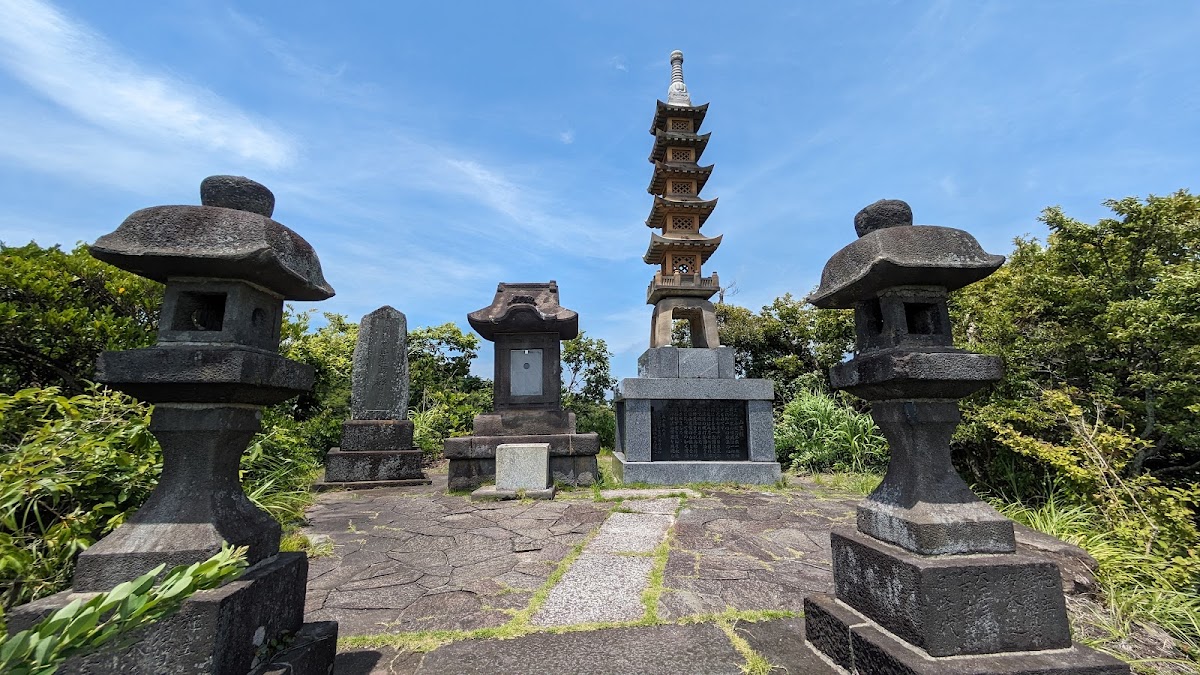
At the end of the Meiji era, a stone pagoda inscribed with “Former Site of Nichiren Daibosatsu’s Rain-Making Prayers” was unearthed from the site of Tanabe Pond. This discovery caused a great stir in the community, and a statue of Nichiren Shonin and the main hall were erected to commemorate his great achievements.
The construction project involved the deep involvement of Admiral Hikonojo Kamimura of the Imperial Japanese Navy, and it was through his efforts that the Reikoden was built. Admiral Kamimura is known as a naval hero who distinguished himself in the Russo-Japanese War, and it is known that he was deeply devoted to Buddhism in his later years.
Renaming to Reikoji Temple
In 1957 (Showa 32), the Reikoden officially adopted the name of a temple, “Reikoji Temple,” and started anew. Since then, it has continued as a Nichiren Buddhist temple and one of the centers of faith in the region.
Highlights of Reikoji Temple
Reikoji Temple has various highlights that evoke a sense of history and faith.
Statue of Nichiren Shonin
The statue of Nichiren Shonin enshrined in the main hall welcomes visitors as the principal image of Reikoji Temple. This statue, enshrined since the temple’s founding at the end of the Meiji era, depicts Nichiren Shonin performing a rain-making prayer. Its powerful yet compassionate expression is striking.
Remains of Tanabe-ga-ike Pond
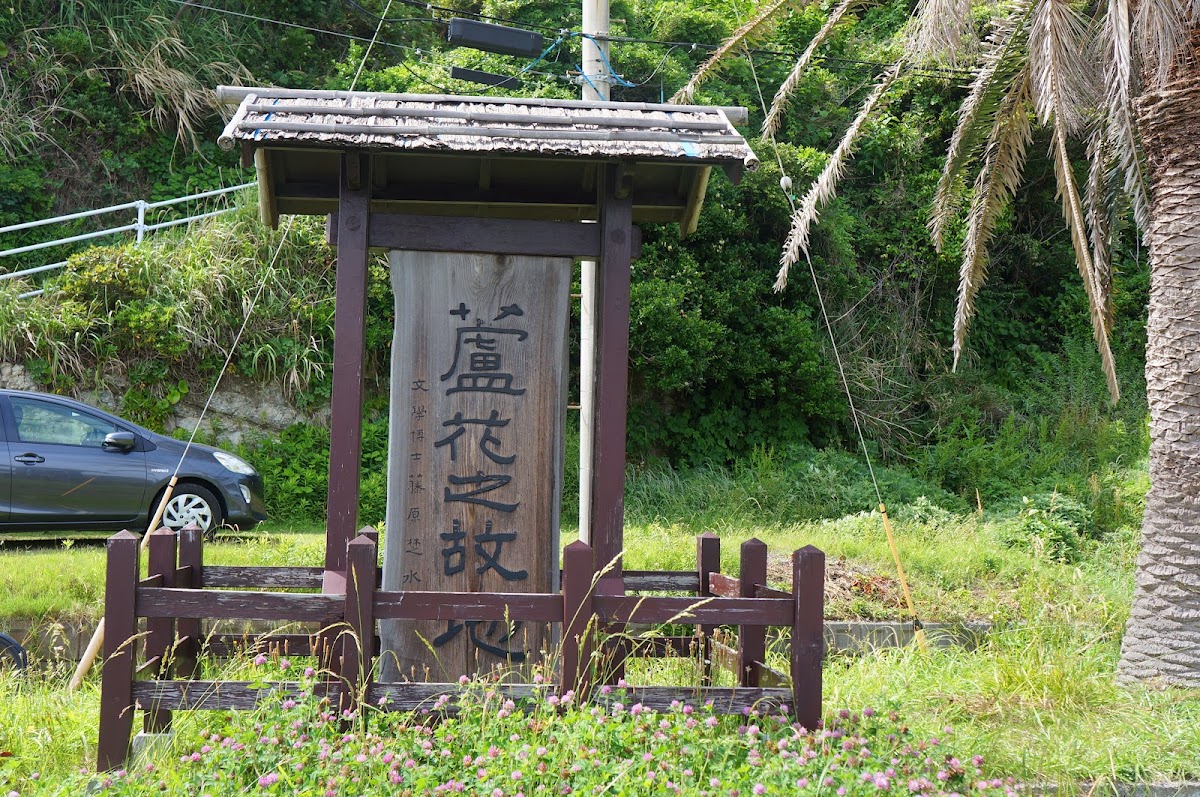
Although Tanabe-ga-ike Pond, the site of the rain-making prayer, no longer exists, a stone monument and explanatory plaque marking its site remain on the temple grounds. Standing here, one can reflect on the drought of the Bun’ei era and Nichiren Shonin’s prayers.
Stone Pagoda of “Former Site of Nichiren Daibosatsu’s Rain-Making Prayer”
This stone pagoda, unearthed at the end of the Meiji era, is an important artifact that led to the founding of Reiko-ji Temple. Its discovery proved that the legend was not merely a folktale, but based on historical fact.
View from the Temple Grounds
Located on a hill overlooking Shichirigahama, Reiko-ji Temple offers a panoramic view of Sagami Bay on clear days. Spending time in the tranquil temple grounds while gazing at the sea will be a precious moment of peace and tranquility.
How to Access Reikoji Temple
Reikoji Temple is located in the Shichirigahama area of Kamakura City, so it is recommended to check the access method in advance.
Access by Train
If using the Enoshima Electric Railway Line
- Get off at Shichirigahama Station on the Enoshima Electric Railway Line, and walk for approximately 5-9 minutes.
- As you will be walking uphill from the station, it is recommended to wear comfortable shoes.
- The distance is approximately 637m.
Shichirigahama Station is one of the popular stations on the Enoden line, and there are many stylish cafes and restaurants around the station. It would be a good idea to stop by before or after your visit to the temple.
Access by Car
- From National Route 134 (Shonan Road), head towards Shichirigahama.
- We recommend checking with the temple in advance regarding parking availability.
- Please avoid street parking as the surrounding area is a residential neighborhood.
Access from Major Tourist Attractions in Kamakura
- From Kamakura Station: Approximately 15 minutes by Enoden train, get off at Shichirigahama Station.
- From Hase-dera Temple: Approximately 10 minutes by Enoden train, get off at Shichirigahama Station.
- From Enoshima: Approximately 5 minutes by Enoden train, get off at Shichirigahama Station.
Goshuin (Temple Seal) Information
You can receive a Goshuin at Reikoji Temple (however, it may be suspended depending on the season).
Features of the Goshuin
The Goshuin at Reikoji Temple features the mountain name “Ryuo-zan” and the temple name “Reikoji” written in ink. As befits a Nichiren Buddhist temple, the title “Namu Myoho Renge Kyo” may also be inscribed. ### Points to Note When Receiving a Goshuin (Temple Stamp)
- A Goshuin is proof of your visit, so be sure to pray before receiving it.
- Bringing your Goshuincho (stamp book) is recommended.
- It may be currently suspended, so it’s best to confirm by phone beforehand.
- Reception hours are usually from 9:00 AM to 4:00 PM, but may change depending on the temple’s circumstances.
Tourist Spots Around Reikoji Temple
When visiting Reikoji Temple, you can enjoy a more fulfilling Kamakura sightseeing experience by also visiting the surrounding tourist spots.
Shichirigahama Beach
Shichirigahama, within walking distance of Reikoji Temple, is a beautiful beach representative of Shonan. Known as a surfing mecca, you can enjoy a spectacular view of the sunset with the silhouette of Mt. Fuji in the background.
Kamakura High School Station
Kamakura High School Station, known as a popular photo spot for the Enoden train, is just one stop from Reikoji Temple on the Enoden line. It’s also famous as a pilgrimage site for anime fans, and you can take photos of the Enoden train running with the sea in the background.
Inamuragasaki
Inamuragasaki, a historical spot close to Reikoji Temple, is where legend says Nitta Yoshisada threw his sword into the sea during his attack on Kamakura. From the observation deck, you can see Enoshima Island and Mount Fuji.
Hase-dera Temple and Kotoku-in Temple (Kamakura Great Buddha)
Hase-dera Temple and Kotoku-in Temple (Kamakura Great Buddha), located just a few stops away on the Enoden train line, are must-see attractions in Kamakura. Visiting them together with Reikoji Temple allows you to experience the diverse Buddhist culture of Kamakura.
Points to Know When Visiting Reikoji Temple
Here are some points to know when visiting Reikoji Temple.
Best Time to Visit
Reikoji Temple is open year-round, but there are certain times that are particularly recommended.
- Spring (March-May): A warm and pleasant season with beautiful fresh greenery.
- Autumn (October-November): While there are fewer autumn leaves, the weather is stable and ideal for walks.
- Winter (December-February): The air is clear, and the view of Sagami Bay is especially beautiful.
During the rainy season and mid-summer, humidity is high, and climbing hills can be difficult.
Attire and Items to Bring When Visiting
- Since you will be walking uphill from the station, comfortable shoes are essential.
- In summer, the sun is strong, so a hat or parasol is recommended.
- If you wish to receive a Goshuin (temple stamp), please bring your Goshuincho (stamp book).
- You may take photos of the temple grounds with a camera or smartphone, but please do so with moderation.
Manners and Precautions
- Please visit the temple grounds quietly.
- Since it is located in a residential area, please be considerate of the surrounding residents.
- Please take all your trash with you.
- Photography inside the main hall may require permission.
Nichiren Buddhism and Reikoji Temple
To understand Reikoji Temple more deeply, here is a brief introduction to the Nichiren Buddhism.
What is the Nichiren Buddhism?
The Nichiren Buddhism is a Buddhist sect founded by the Kamakura period monk Nichiren Shonin (1222-1282). It is characterized by a faith centered on chanting the mantra “Namu Myoho Renge Kyo,” and it highly regards the Lotus Sutra as the supreme scripture. ### Kamakura and Nichiren Shonin
Nichiren Shonin was active in Kamakura during the Kamakura period and is known for his fierce criticism of the shogunate and other religious sects. Many temples associated with Nichiren Shonin exist in Kamakura, and Reikoji Temple holds an important position among them.
Rainmaking and Dragon King Worship
Reikoji Temple’s mountain name, “Ryuo-zan” (Dragon King Mountain), is deeply connected to the legend of rainmaking. In Buddhism, the Dragon King is considered a being that controls rain, and Nichiren Shonin’s rainmaking prayers are thought to have been prayers to the Dragon King. This belief is reflected in the temple’s mountain name.
The Charm of Reikoji Temple
Finally, let’s summarize the charm of Reikoji Temple.
Tranquility and Serenity
Located slightly away from Kamakura’s main tourist areas, Reikoji Temple is rarely crowded with tourists, making it a great place for quiet worship. It’s an ideal place for those who want to escape the hustle and bustle and find peace of mind.
The Weight of History
With its historical background rooted in the legend of Nichiren Shonin’s rain-making ritual, this small temple encapsulates a story from the unearthing of a stone pagoda in the Meiji era to the present day. For history buffs, it’s a highly worthwhile spot to visit.
Connection to the Community
As a temple deeply rooted in the Shichirigahama area, Reikoji Temple has attracted the faith of local residents. You can experience a temple deeply integrated into daily life, unlike typical tourist temples.
Beautiful Views
Located on a hill, the temple grounds offer views of Sagami Bay. The scenery, a tapestry of sea and sky, displays various expressions depending on the season and time of day.
Summary
Reikoji Temple is a Nichiren Buddhist temple steeped in history and faith, built on the site of Tanabe-ga-ike Pond, where the legend of Nichiren Shonin’s rain-making ritual remains. Situated on a quiet hilltop in Shichirigahama, Kamakura City, this temple offers a rare opportunity to worship in a tranquil atmosphere, distinct from the bustling center of Kamakura.
Reikoji Temple boasts excellent accessibility, being just a 5-9 minute walk from Shichirigahama Station on the Enoshima Electric Railway line, making it an ideal place to visit during a short trip to Kamakura. You can also receive a Goshuin (temple stamp) (though this may be suspended depending on the season), allowing you to experience the faith of the Nichiren sect.
Nearby are numerous scenic spots representative of Shonan, such as Shichirigahama Beach and Inamuragasaki, so combining a visit to Reikoji Temple with a stroll along the coast is highly recommended. Why not spend a peaceful moment at Reikoji Temple, where history, nature, and faith harmonize?
While Kamakura has many famous temples and shrines, visiting hidden gems like Reikoji Temple allows for a deeper understanding of Kamakura’s history and culture. On your next visit to Kamakura, be sure to visit Reikoji Temple and experience the footsteps of Nichiren Shonin and the beautiful scenery of Shichirigahama.