
Complete Guide to Ōnamuchi Shrine (Kazuno City, Akita Prefecture) | History, Benefits, and Access Information
Ōnamuchi Shrine, located in Kazuno City, Akita Prefecture, is a historical shrine said to have been founded during the Yōrō era (717-724). It enshrines Ōnamuchi-no-Mikoto (Ōkuninushi-no-Mikoto) and has long been revered by the local people. This article provides detailed information useful for those considering a visit to Ōnamuchi Shrine, including its history, origins, benefits, visiting information, and access methods.
Basic Information on Ōnamuchi Shrine
Ōnamuchi Shrine is located in Kazuno City, Akita Prefecture, and belongs to the Akita Prefectural Shrine Association. It remains a popular shrine, attracting many worshippers as the local guardian deity.
Shrine Overview
Location: Kazuno City, Akita Prefecture
Deity Enshrined: Ōnamuchi-no-Mikoto
Founding: Said to be during the Yōrō era
Shrine Rank: Former Village Shrine
Ōnamuchi-no-Mikoto is another name for Ōkuninushi-no-Mikoto and is an important deity in Japanese mythology, also known as the principal deity of Izumo Taisha Shrine. He is worshipped as a god of nation-building, agriculture, commerce, and medicine, possessing a wide range of divine virtues.
History and Origins of Ōnamuchi Shrine
Origin of Founding
The founding date of Ōnamuchi Shrine is recorded in several ancient documents. The “Kazuno-shi” states that it was founded during the Yōrō era (717-724), which corresponds to the early Nara period. This period was a time when the construction and development of shrines progressed throughout Japan, and it is believed that Ōnamuchi Shrine was founded within this trend.
The “Kunai Gosonshi” (Records of Villages and Towns in the Province) contains the description, “The principal image was created by Gyōki, and the shrine was built by Prince Abo Ippon.” Gyōki is known as a high-ranking Buddhist priest of the Nara period and contributed to the construction of the Great Buddha of Tōdai-ji Temple. The mention of a connection to Prince Abo Ippon suggests that this was a historically significant shrine with ties to the Imperial family and central nobility.
History of the Edo Period
During the Edo period, Ōnamuchi Shrine came under the patronage of the Nanbu Domain (Morioka Domain). The “Goryōbunshadō” (Records of Shrines in the Domain) contains the following records:
Genna 2 (1616): During the reign of Lord Nanbu Toshinao, the shrine buildings were rebuilt. In June of the same year, four koku and five to of land were donated to the shrine, and a black seal was received. This black seal indicates official protection from the feudal lord, illustrating the shrine’s status and importance.
Kyoho 4 (1719): The shrine building was severely damaged, and it was rebuilt again during the reign of Lord Nanbu Toshimoto. This shows that care was taken to maintain the shrine with each change of feudal lord.
Changes After the Meiji Era
The Meiji-era separation of Shinto and Buddhism forced many shrines to undergo transformation, and Oonamuchi Shrine was no exception. Under the modern shrine ranking system, it was designated a village shrine and continues to be revered as the local tutelary deity.
After World War II, it became affiliated with the Akita Prefectural Shrine Association, under the Association of Shinto Shrines, and continues to play a central role in the local community.
Deities and Divine Virtues
About Oonamuchi-no-Mikoto
Oonamuchi-no-Mikoto is a central deity in Izumo mythology and is also known by the following alternative names:
- Ōkuninushi-no-Mikoto
- Ōnamuchi-no-Kami
- Yachihoko-no-Kami
- Ashihara-no-Shikoo-no-Kami
In Japanese mythology, Ōnamuchi-no-Mikoto is depicted as a god who, along with Sukunahikona-no-Mikoto, built the country. He is said to have made significant contributions to many fields closely related to people’s lives, such as medicine, agriculture, fishing, and commerce.
Main Benefits
At Ōnamuchi Shrine, the following benefits are believed to be available due to the divine virtues of the enshrined deity, Ōnamuchi-no-Mikoto:
Matchmaking: Because Ōkuninushi-no-Mikoto married many goddesses, he is widely worshipped as a god of matchmaking. Many worshippers visit to pray for success in love and good relationships.
Business Prosperity: As a god of nation-building, he is believed to bring benefits of economic development and business prosperity. He is also deeply revered by business owners and merchants praying for success in their ventures. Abundant Harvest: As a deity of agriculture, it attracts worshippers praying for a bountiful harvest and the development of agriculture.
Healing from Illness: As a deity of medicine, it attracts worshippers praying for good health and recovery from illness.
Family Safety: As the guardian deity of the region, it is revered as a god that protects the safety and happiness of families.
Protection from Misfortune and Good Fortune: It is believed to ward off various misfortunes and improve one’s luck.
Highlights of the Shrine Grounds
Shrine Building
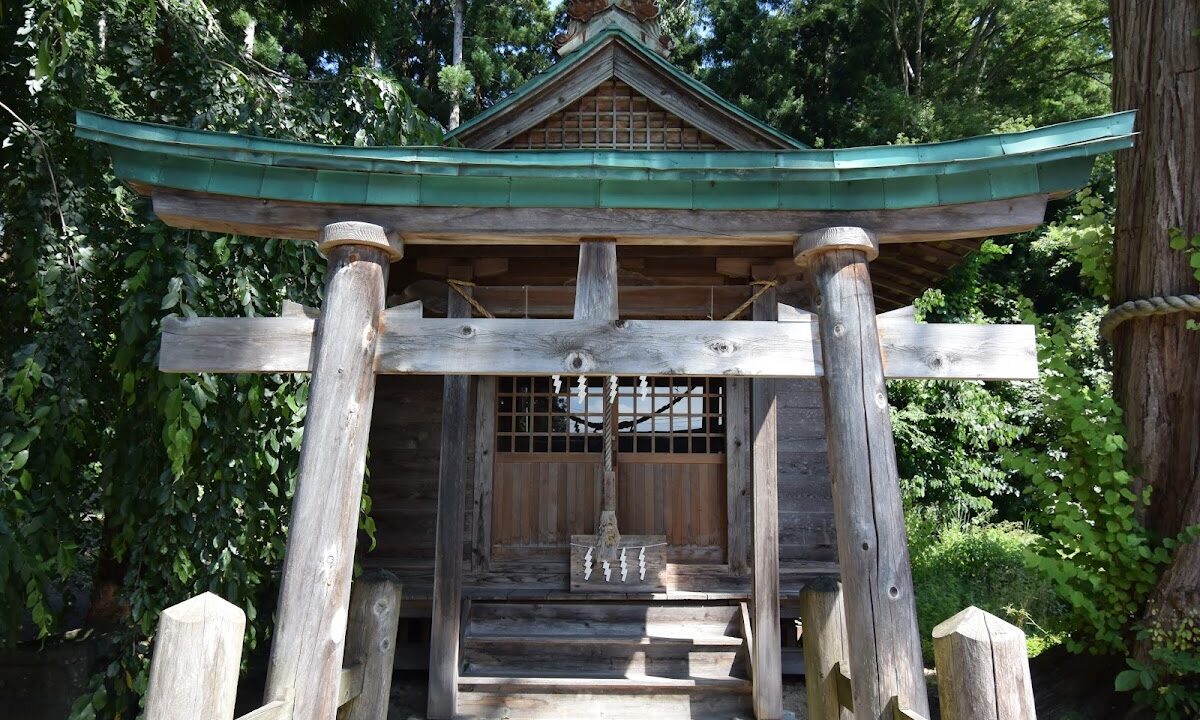
The current shrine building is a valuable structure that conveys the architectural style of the Edo period. Since its reconstruction in 1719, it has undergone several repairs, but still retains its original appearance. The wooden main hall has a simple and sturdy construction, which is characteristic of shrine architecture in the Tohoku region.
Atmosphere of the Shrine Grounds
The grounds of Ōnamuchi Shrine are enveloped in a tranquil atmosphere. Surrounded by trees, the shrine grounds offer a place to appreciate the beauty of nature throughout the seasons.
Spring: Beautiful fresh greenery and refreshing air.
Summer: Cool shade from the trees makes it a pleasant summer retreat.
Autumn: Autumn leaves adorn the grounds, creating a deeply atmospheric scene.
Winter: Snow-covered grounds enhance the sacred atmosphere.
Annual Events and Festivals
At Ōnamuchi Shrine, various Shinto rituals are performed throughout the year. These are traditional local events that attract many parishioners and worshippers.
Main Annual Events
Annual Grand Festival: The most important festival at the shrine, where gratitude is expressed to the enshrined deity and prayers are offered for the prosperity of the region.
New Year’s Festival: A Shinto ritual to welcome the new year and pray for peace throughout the year.
Spring Festival: A spring festival praying for a bountiful harvest.
Autumn Festival: A festival expressing gratitude for the harvest and praying for a good harvest next year.
At these festivals, local people gather, and traditional Shinto rituals are solemnly performed.
Goshuin (Shrine Seal) Information
Oonamuchi Shrine offers goshuin, but since there may not always be a resident priest, it is recommended to contact the Akita Prefectural Shrine Association or a nearby shrine in advance to confirm.
Goshuin are popular among many worshippers as proof of their visit and as a way to forge a connection with the shrine. If you have a goshuin notebook, please consider getting one as a memento of your visit.
Access Information
Location and Contact Information
Location: Kazuno City, Akita Prefecture
Contact Information: Please inquire through the Akita Prefectural Shrine Association
Transportation Access
Access by Train:
Please walk or take a taxi from the nearest station on the JR Hanawa Line. Convenient access from major train stations in Kazuno City.
Access by Car:
Approximately 15-20 minutes by car from the Kazuno-Hachimantai Interchange on the Tohoku Expressway. Please enter the shrine name into your car navigation system or check the location on a map beforehand.
Parking: Parking is available on the shrine grounds or nearby, but it may be crowded during festivals.
Precautions for Visiting the Shrine
- The shrine grounds are a sacred place, so please visit in silence.
- Please take photographs only within permitted areas.
- Please take all your trash with you.
- In winter, please be careful of snow and ice, and wear appropriate clothing and shoes.
Other Shrines in Kazuno City
Besides the Ōnamuchi Shrine, there are many other historical shrines in Kazuno City.
Dainichireiki Shrine (Dainichidō)
This shrine is where the “Dainichidō Bugaku,” a nationally designated Important Intangible Folk Cultural Property, is performed annually on January 2nd. You can see this valuable folk performing art, which is also registered as a UNESCO Intangible Cultural Heritage.
When visiting Kazuno City, a “shrine tour” visiting several shrines is highly recommended. By experiencing the unique history and culture of each shrine, you can feel the deep history of faith in this region.
Kazuno City Tourist Information
You can enjoy sightseeing in Kazuno City in conjunction with your visit to Ōnamuchi Shrine.
Main Tourist Spots
Lake Towada: A beautiful caldera lake located on the border with Aomori Prefecture, offering beautiful scenery throughout the seasons.
Hachimantai: A plateau area with magnificent nature, where you can enjoy trekking and hot springs.
Osarizawa Mine: Formerly one of Japan’s leading copper mines, it is now open to tourists.
Kazuno Hot Springs: Numerous high-quality hot spring resorts, such as Yuse Onsen and Ōyu Onsen, are scattered throughout the area.
Local Specialties
Kiritanpo: A representative local dish of Akita Prefecture, delicious kiritanpo can be enjoyed in Kazuno City.
Hinai Chicken: Dishes made with Hinai chicken, a specialty of Akita Prefecture, are exquisite.
Apples: Kazuno City is also known as a producer of high-quality apples.
Manners and Etiquette for Visiting Shrines
When visiting a shrine, it is important to observe basic manners and etiquette.
Basic Etiquette for Worship
- Bow Before Passing Through the Torii Gate: Before entering the sacred area, bow before the torii gate.
- Purify at the Water Basin: Purify your left hand, then your right hand, then your mouth.
- Walking Along the Path: The center of the path is considered the path of the gods, so walk along the edges.
- Worship at the Main Hall: The basic etiquette is two bows, two claps, and one bow.
- Bow deeply twice.
- Clap your hands twice.
- Finally, bow deeply once.
About Offerings
Offerings are a way of expressing gratitude to the gods. There are no set amounts, but offer with sincerity. It is considered best to quietly place the offering into the offering box rather than throwing it.
About the Akita Prefectural Shrine Association
Oonamuchi Shrine belongs to the Akita Prefectural Shrine Association. The Akita Prefectural Shrine Association is the organization that oversees shrines in Akita Prefecture, responsible for the maintenance and management of shrines, the training of Shinto priests, and the promotion of Shinto.
For inquiries about shrines, details regarding Goshuin (shrine seals), prayers, etc., please contact the Akita Prefectural Shrine Association.
The Charm of Ōnamuchi Shrine
The greatest charm of Ōnamuchi Shrine lies in its history, which dates back to the ancient Yōrō era, and the deep faith that has been preserved by the local people.
The Weight of History
Ōnamuchi Shrine, said to have a history of over 1300 years, has witnessed the changing times. During the Edo period, it received the patronage of the Nanbu clan and functioned as a spiritual pillar of the region; this history is still strongly reflected in the atmosphere of the shrine grounds today.
Connections with the Community
Even today, Ōnamuchi Shrine remains closely intertwined with the lives of the people as the local guardian deity. Through annual events and festivals, it serves as a place for intergenerational exchange. This role as a center of the local community is becoming increasingly important in modern society.
Harmony with Nature
Nestled amidst the rich natural beauty of Akita Prefecture, the shrine grounds offer a place to appreciate the beauty of each season. Away from the hustle and bustle of the city, the tranquil environment of peaceful worship, surrounded by nature, brings solace to the soul.
Summary
Located in Kazuno City, Akita Prefecture, the Ōnamuchi Shrine is a historic shrine said to have been founded during the Yōrō era. It enshrines Ōnamuchi-no-Mikoto as its main deity and is believed to offer a wide range of blessings, including matchmaking, business prosperity, abundant harvests, and healing from illness.
During the Edo period, it received patronage from the Nanbu clan, and records show that the shrine buildings were rebuilt in 1616 (Genna 2) and 1729 (Kyōhō 4). Currently, it belongs to the Akita Prefecture Shrine Association and is revered by many as the local guardian deity.
When visiting Kazuno City, be sure to visit the Ōnamuchi Shrine and experience the sacred atmosphere cultivated over its long history. Combining a visit with nearby tourist attractions and hot springs will make for a more fulfilling trip.
When visiting the shrine, please observe basic manners and etiquette, and offer your prayers with sincerity to deepen your connection with the gods. We hope that Ōnamuchi Shrine will be a place where you can find peace of mind and renewed energy.


