Ryotoku-ji Temple (Ukyo-ku, Kyoto Prefecture) Complete Guide | History, Highlights, and Access Information for Daikon-daki Temple
Ryotoku-ji Temple, located in Narutaki, Ukyo-ku, Kyoto City, is a Shinshu Otani-ha temple widely known by its nickname, “Daikon-daki Temple.” The annual Daikon-daki (radish stew) event, held every December, was a winter tradition in Kyoto, attracting many visitors, but has been suspended for the time being due to recent circumstances. This article provides a comprehensive introduction to the charm of Ryotoku-ji Temple, including its detailed history, cultural background, highlights, and practical information for your visit.
Basic Information about Ryotoku-ji Temple
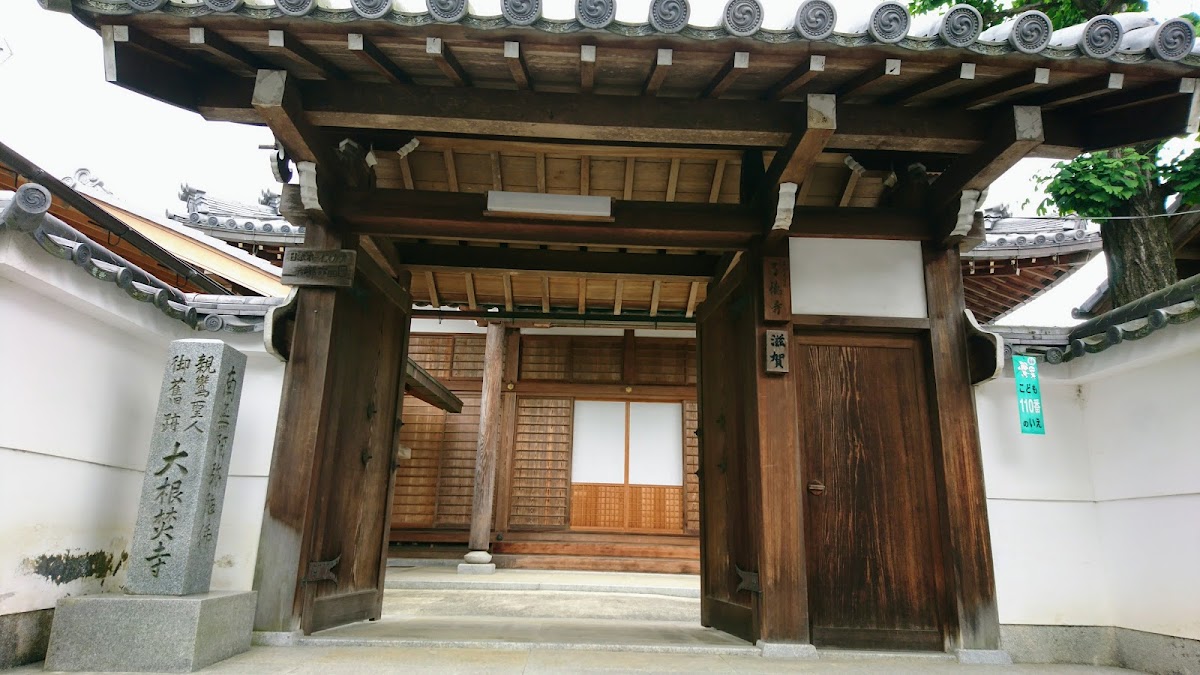
Ryotoku-ji Temple is a Shinshu Otani-ha temple located at 83 Narutaki Honmachi, Ukyo-ku, Kyoto City, Kyoto Prefecture. Its mountain name is Horinzan. Its principal image is Amida Buddha, and it is known for its deep connection with Shinran Shonin, the founder of Jodo Shinshu Buddhism.
Basic Temple Data:
- Official Name: Horinzan Ryotokuji
- Address: 83 Narutaki Honmachi, Ukyo-ku, Kyoto City, Kyoto Prefecture 616-8242
- Sect: Shinshu Otani-ha (Jodo Shinshu)
- Mountain Name: Horinzan
- Principal Image: Amida Buddha
- Founder: Shosei Hoshi
- Established: 1524 (Daiei 4)
- Common Name: Daikonbaki-ji
- Phone Number: 075-463-0714
The Narutaki area is located in the northwestern part of Kyoto city and has long been known as a sacred site. Historical temples such as Gatsurinji are scattered throughout the area, and it retains the atmosphere of a quiet mountain village.
The History and Founding of Ryotoku-ji Temple
The Beginning of its Connection with Shinran Shonin
The history of Ryotoku-ji Temple begins with its deep connection to Shinran Shonin (1173-1263), the founder of the Jodo Shinshu sect of Buddhism. According to temple tradition, in the winter of 1252 (Kencho 4), Shinran Shonin stopped in this area on his way back from Gatsurin-ji Temple in Narutaki.
At that time, the villagers of this region, wanting to warm Shinran Shonin who was shivering from the cold, offered him freshly harvested radishes boiled in salt. It is said that the saint was deeply moved by this simple kindness and, as a token of gratitude, bestowed upon the villagers the “Susuki Myogo” (a sacred name). This event later became the origin of the “Daikon-daki” (radish stew) event, a famous tradition of Ryotoku-ji Temple.
Founding of the Temple by Shōsei Hōshi
Ryōtoku-ji Temple was actually founded as a temple approximately 270 years later, in 1524 (Daiei 4). A monk named Shōsei Hōshi established the temple in this location associated with Shinran Shōnin.
It is believed that Shōsei Hōshi chose this location, where Shinran Shōnin is said to have visited, to commemorate his virtues and pass on his teachings to future generations. Since then, Ryōtoku-ji Temple has a history spanning approximately 500 years as a place of faith for Jōdo Shinshū Buddhism and a spiritual haven for the local people.
As a Temple of the Shinshū Ōtani School
Ryōtoku-ji Temple belongs to the Shinshū Ōtani school. The Shinshū Ōtani school is a branch of Jōdo Shinshū Buddhism, and its head temple is Higashi Hongan-ji Temple (Shinshū Honbyō) in Shimogyo-ku, Kyoto City. Based on the teachings of Shinran Shonin, specifically the concept of “reliance on the power of others,” this temple preaches salvation through faith in the original vow of Amida Buddha.
Ryotoku-ji Temple has continued its community-based religious activities while upholding the teachings of the Shinshu Otani sect. In particular, as a temple with a direct connection to Shinran Shonin, it has been revered by many followers and visitors.
The Tradition and Current State of the Daikon-daki Festival
What is Daikon-daki?
Ryotoku-ji Temple became nationally famous as the “Daikon-daki Temple” thanks to the “Daikon-daki” (radish stew) festival, held annually on December 9th and 10th. This festival originates from the heartwarming anecdote about Shinran Shonin and the villagers mentioned earlier.
During the Daikon-daki festival, cooked radishes are served to visitors. Eating this radish is believed to bring good health and protection from illness throughout the year, and it has long been a beloved December tradition in Kyoto.
Event Details and Characteristics
The traditional Daikon-daki (radish stew) event has included the following:
- Preparation of the Radish: Radishes harvested locally are used and cooked in a large pot.
- Memorial Service: A memorial service is held to commemorate Shinran Shonin.
- Serving to Worshippers: The cooked radish is served to worshippers.
- Prayers: Prayers are offered for good health, family safety, and other blessings.
The radish is simply seasoned with salt, and the simple cooking method, the same as when the villagers served it to Shinran Shonin, has been preserved. This simplicity is the charm of Ryotoku-ji Temple’s Daikon-daki and the reason why it attracts so many people.
Current Status of the Daikon-daki Festival (Important Notice)
Important: As of 2025, the Daikon-daki festival at Ryotokuji Temple is suspended indefinitely due to various circumstances. According to the official website and information from the Kyoto Prefectural Tourism Federation, the Daikon-daki festival scheduled for December 9th and 10th remains cancelled.
Those planning a visit are strongly advised to check the latest information in advance on the Ryotokuji Temple official website (https://www.ryoutokuji.or.jp/) or by phone (075-463-0714).
Highlights and Features of Ryotokuji Temple
Main Hall and Amida Buddha
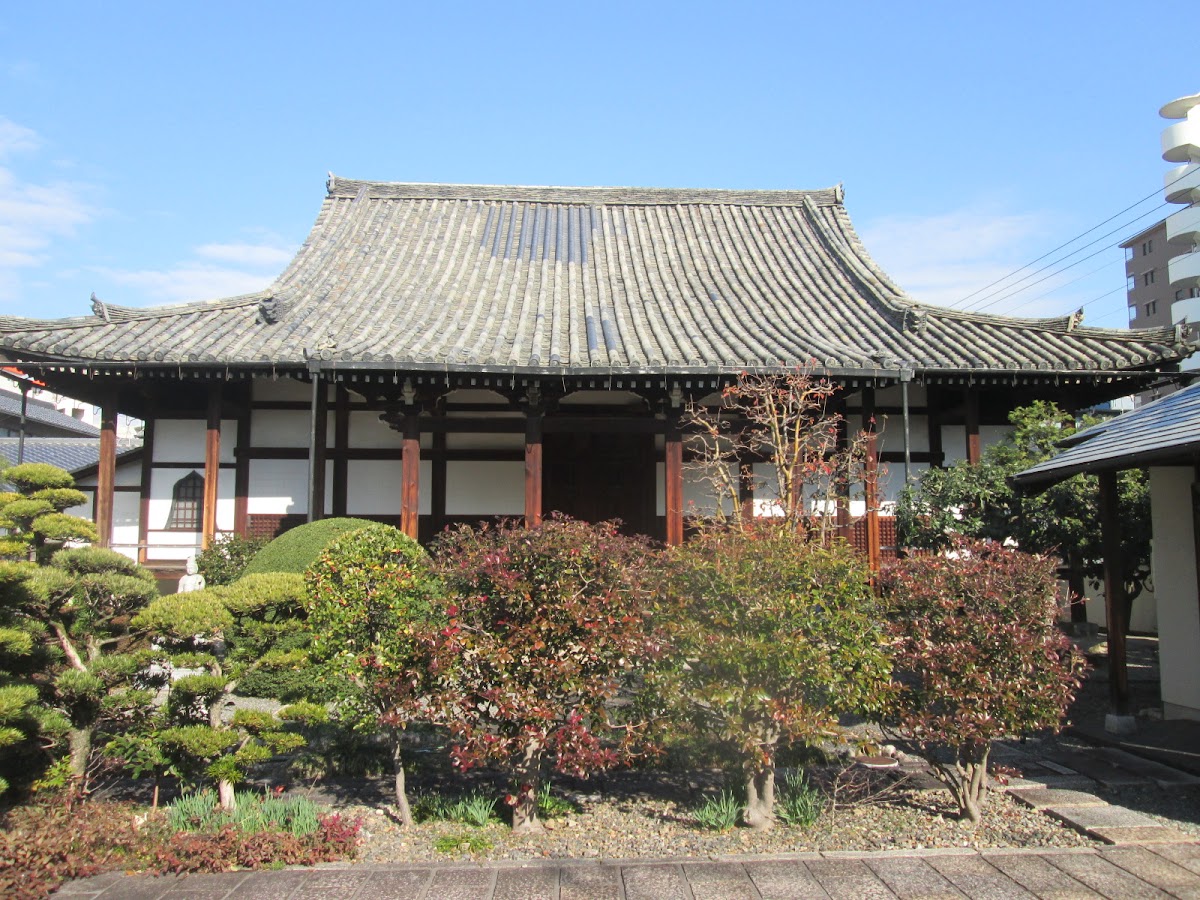
The main hall of Ryotokuji Temple houses the principal image, Amida Buddha. Befitting a Jodo Shinshu temple, the main hall possesses a solemn yet approachable atmosphere, warmly welcoming visitors.
Inside the main hall, visitors can not only pay homage to Amida Buddha but also learn about the teachings of Shinran Shonin. The time spent quietly joining your hands in prayer while chanting “Namu Amida Butsu,” the Buddhist mantra of the Shinshu Otani sect, will be a precious experience that calms the mind.
The Susuki Myogo and the Relics of Shinran Shonin
Ryotoku-ji Temple possesses the “Susuki Myogo,” a document said to have been bestowed upon villagers by Shinran Shonin. This is a precious relic believed to have been written by Shinran Shonin in gratitude for the hospitality of receiving radishes.
This Myogo is an important treasure that demonstrates the deep connection between Shinran Shonin and Ryotoku-ji Temple, and enhances the historical value of the temple. While it may not normally be open to the public, it may be possible to view it on special occasions, so it’s worth checking before your visit.
Atmosphere and Natural Environment of the Temple Grounds
Ryotoku-ji Temple is located in the Narutaki area, a little distance from the city center of Kyoto, and is characterized by its quiet and peaceful atmosphere. Surrounded by mountains, you can experience the beauty of nature throughout the seasons.
The autumn foliage season and the winter snowscapes are particularly spectacular. Unlike the famous temples in the city center, which are often crowded with tourists, this is a hidden gem where you can enjoy a relaxed time.
Historical Background of the Narutaki Area
The Narutaki area, where Ryotoku-ji Temple is located, has long been known as a sacred site. Nearby is Tsukinowa-dera Temple, and it is said that Shinran Shonin also visited this temple.
Tsukinowa-dera Temple is an ancient Tendai sect temple founded during the Heian period, and it has deep ties to Honen Shonin and Shinran Shonin. When visiting Ryotoku-ji Temple, visiting Tsukinowa-dera Temple as well will allow you to gain a deeper understanding of the rich religious and historical background of this region.
Transportation Access and Visiting Information
Access by Public Transportation
The most convenient way to get to Ryotoku-ji Temple is by Kyoto City Bus.
Access by Kyoto City Bus:
- Nearest Bus Stop: “Narutaki Honmachi”
- Travel Time from Bus Stop: Approximately 3 minutes on foot
- Available Routes: Kyoto City Bus (Multiple routes available)
Example of Access from Kyoto Station:
- Approximately 40-50 minutes by bus from Kyoto Station (may vary depending on traffic conditions)
- Transfers may be necessary, so it is recommended to check the Kyoto City Bus route map or transfer guidance app in advance.
Access from Shijo Kawaramachi/Karasuma Area:
- Accessible by bus from the city center
- Travel time is approximately 30-40 minutes
Access by Private Car
If visiting by private car, head towards National Route 162 (Shuzan Kaido) from Kyoto city center.
Parking Information:
- Please contact the temple directly in advance regarding the availability and size of its parking lot (TEL: 075-463-0714).
- During the Daikon-taki (radish stew) event (currently suspended), congestion is expected, so the use of public transportation was recommended.
Visiting Hours and Admission Fees
Visiting Hours:
- Please contact the temple directly for normal visiting hours.
- While general temple visiting hours are around 9:00 to 17:00, specific hours for Ryotoku-ji Temple need to be confirmed.
Admission Fee:
- Normal visits are likely free, but this may change during special visits or events.
- Please check the official website or call for the latest information.
Notes for Visitors
- Importance of Prior Confirmation:: As the Daikon-taki event is currently suspended, please be sure to check the opening status and visiting hours before visiting.
- Quiet Worship:: As this is a Shinshu Otani-ha temple, please be mindful of quiet worship.
- Photography: It is advisable to obtain permission in advance before taking photographs on the temple grounds.
- Season and Clothing: The Narutaki area can be colder than the city center, so be sure to take adequate precautions against the cold, especially in winter.
- Surrounding Facilities: There are few restaurants or convenience stores in the area, so it is recommended to prepare anything you need in advance.
Attractions Around Ryotoku-ji Temple
Tsukinowa-dera Temple
Tsukinowa-dera Temple, located within walking distance of Ryotoku-ji Temple, is a Tendai sect temple said to have been visited by Shinran Shonin before he stopped by Ryotoku-ji Temple. It is said to have been founded in the early Heian period and is known as an ancient temple with deep connections to Honen Shonin and Shinran Shonin.
Located in the mountains, it is a valuable spot where you can worship in a tranquil atmosphere. Visiting it together with Ryotoku-ji Temple allows you to enjoy a historical walk tracing the footsteps of Shinran Shonin.
Towards Ninna-ji and Ryoan-ji Temples
Heading south from the Narutaki area, you’ll find Ninna-ji and Ryoan-ji Temples, both registered as World Heritage Sites. It’s possible to combine these famous temples with a one-day tour of Kyoto’s Ukyo Ward.
Towards Takao and Jingoji Temples
Northwest of Ryotoku-ji Temple lies the Takao area, known for its beautiful autumn foliage, dotted with famous temples such as Jingoji Temple. The entire area presents a particularly beautiful landscape during the autumn foliage season.
The Teachings of the Shinshu Otani School and Jodo Shinshu Buddhism
To gain a deeper understanding of Ryotoku-ji Temple, let’s touch upon the basic teachings of the Shinshu Otani School and Jodo Shinshu Buddhism.
Shinran Shonin and Jodo Shinshu Buddhism
Jodo Shinshu Buddhism is a branch of Buddhism founded by Shinran Shonin (1173-1263), a monk of the Kamakura period. Shinran Shonin inherited and further developed the teachings of his teacher, Honen Shonin. Main Teachings of Jodo Shinshu Buddhism:
- Reliance on Other Power: The belief that salvation comes not through one’s own power, but through the power of Amida Buddha’s original vow.
- Salvation of the Wicked: The teaching that wicked people, rather than good people, are the ones who deserve Amida Buddha’s salvation.
- Nembutsu: Expressing devotion to Amida Buddha by chanting “Namu Amida Butsu.”
Characteristics of the Shinshu Otani School
The Shinshu Otani School is one of the Buddhist sects that traces its lineage directly back to Shinran Shonin. Its head temple is Higashi Honganji (officially “Shinshu Honbyo”) in Shimogyo-ku, Kyoto City, and it is a large sect with approximately 8,900 temples nationwide.
Ryotokuji Temple, as a temple belonging to this Shinshu Otani School, preserves and transmits the teachings of Shinran Shonin. In particular, it holds a special position within the sect as a temple with a tradition of being directly visited by Shinran Shonin.
Kyoto’s Daikon-daki Culture and Ryotoku-ji Temple
The Tradition of Daikon-daki in Kyoto
Daikon-daki (simmered radish) is a traditional event held not only at Ryotoku-ji Temple but also at several other temples in Kyoto. A representative example is the daikon-daki at Senbon Shakado (Daihoon-ji Temple).
While each of these daikon-daki events has its own unique origin and meaning, they have become a beloved winter tradition in Kyoto for both residents and tourists. Through the familiar vegetable, the daikon (radish), they represent a uniquely Japanese form of faith, reflecting on Buddhist teachings and the virtues of ancestors.
The Uniqueness of Ryotoku-ji Temple’s Daikon-daki
Ryotoku-ji Temple’s daikon-daki has a unique meaning, differing from other temples’ daikon-daki, as it originates from a heartwarming exchange between Shinran Shonin and the villagers.
More than simply a prayer for good health, it holds significant cultural and religious value as an event that conveys Shinran Shonin’s compassionate character and the warm hospitality of the simple villagers.
Best Season to Visit Ryotoku-ji Temple
Charms of Each Season
Spring (March-May):
- A beautiful season of fresh greenery
- Relatively few tourists, allowing for peaceful worship
- Mild weather, ideal for strolling
Summer (June-August):
- The greenery deepens, enhancing the mountain village atmosphere
- Feels cooler than the city
- Prepare rain gear during the rainy season
Autumn (September-November):
- A beautiful season for autumn leaves
- Enjoy autumn leaf viewing in conjunction with the surrounding Takao area
- Pleasant weather, perfect for strolling
Winter (December-February):
- Traditionally the season for daikon stew (currently suspended)
- Beautiful snowscapes can also be seen
- Cold weather precautions are essential
Recommended Time of Visit
Ryotoku-ji Temple is a relatively quiet temple, allowing for leisurely worship at any time of day. However, the early morning hours are particularly tranquil, allowing you to enjoy a meditative atmosphere. If you are planning to take photographs, we recommend visiting from morning until early afternoon when the natural light is beautiful.
Manners and Etiquette When Visiting Ryotoku-ji Temple
Basic Manners for Visiting Temples
- Bow at the Temple Gate: Bow at the temple gate before entering the temple grounds.
- Respectful Attitude: Walk quietly within the temple grounds and refrain from loud conversations.
- Worship at the Main Hall: Bow or pray with your hands clasped together in front of the main hall.
- Photography: Photography inside the main hall and of Buddha statues is generally prohibited. Please refrain from taking photos on the temple grounds.
- Smoking and Eating: Please refrain from smoking and eating on the temple grounds.
Jodo Shinshu Worship Etiquette
Jodo Shinshu has different worship etiquette than other sects:
- How to perform the gassho (prayer): Bring both hands together in front of your chest.
- Nembutsu (Buddhist chant): Chant “Namu Amida Butsu.”
- Incense Offering: Usually once when standing, and once when sitting.
- Clapping: Unlike Shinto shrines, clapping is not practiced.
Knowing these customs will allow for a more appropriate visit to Ryotoku-ji Temple.
Contact Information and Official Information Regarding Ryotokuji Temple
Basic Contact Information
Ryotokuji Temple
- Address: 83 Narutaki Honmachi, Ukyo-ku, Kyoto City, Kyoto Prefecture 616-8242
- Phone: 075-463-0714
- FAX: 075-463-0714
- Official Website: https://www.ryoutokuji.or.jp/
How to Obtain the Latest Information
For information that needs to be confirmed before visiting, such as the status of the Daikon-daki (radish stew) event and visiting hours, you can obtain the latest information using the following methods:
- Official Website: Check the latest announcements on the Ryotokuji Temple official website
- Telephone Inquiry: Contact the temple directly by phone (075-463-0714)
- Kyoto Prefecture Tourism Federation: Information is also available on the official tourism information website
Cultural and Religious Significance of Ryotokuji Temple
As a Place to Trace the Footsteps of Shinran Shonin
Ryotoku-ji Temple is one of the few places that Shinran Shonin is believed to have actually visited. As a valuable historical site that conveys the saint’s human warmth and interactions with the people, it holds significant meaning in the faith of Jodo Shinshu Buddhism.
Shinran Shonin’s teachings were not complex Buddhist theories, but rather simple and warm teachings that everyone can be saved. The anecdote that gave rise to the Daikon-taki (radish stew) festival at Ryotoku-ji Temple is a perfect example of this teaching.
As a Bearer of Local Culture
For nearly 500 years, Ryotoku-ji Temple has remained the center of faith in the Narutaki region. It has played a vital role in supporting community bonds as a venue for local people’s weddings, funerals, and annual events.
The Daikon-taki festival was not merely a religious event, but also a valuable opportunity for local people to gather and interact. The existence of such a community-rooted temple is becoming increasingly precious in modern society.
The Place of Ryotoku-ji Temple in Kyoto’s Religious Culture
Kyoto has numerous temples, but only a limited number, like Ryotoku-ji, have a direct connection to Shinran Shonin. Ryotoku-ji holds a significant position in both the study of the history of Jodo Shinshu Buddhism and in understanding Kyoto’s religious culture.
Summary: The Charm of Ryotoku-ji Temple and the Significance of Visiting It
Ryotoku-ji Temple (Ukyo-ku, Kyoto Prefecture) is a Shinshu Otani-ha temple known as the “Daikon-taki Temple,” and is a historical temple with deep ties to Shinran Shonin. Since its founding in 1524, it has maintained its faith for approximately 500 years.
The annual Daikon-taki (radish stew) event, held every December, was a traditional event stemming from the heartwarming interaction between Shinran Shonin and the villagers, and a winter tradition in Kyoto. However, it is currently suspended due to various circumstances.
However, the value of Ryotoku-ji Temple lies not only in the Daikon-taki event. As a valuable historical site that preserves the legacy of Shinran Shonin, and as a hidden gem where you can tranquilly worship amidst the peaceful atmosphere of a mountain village, it is well worth a visit.
Away from the hustle and bustle of Kyoto city, spending time contemplating Shinran Shonin’s teachings in the serene environment of Narutaki will be a precious and calming experience.
When planning your visit, we recommend that you always check the latest information on the official website or by phone beforehand, and that you dress appropriately and observe proper etiquette. We hope that your peaceful time at Ryotoku-ji Temple will enrich your Kyoto trip.