Complete Guide to Irihi Shrine (Funabashi City, Chiba Prefecture) | History and Access to the Original Shrine of Funabashi Grand Shrine, the Landing Site of Yamato Takeru
Irihi Shrine, located in Kaijin, Funabashi City, Chiba Prefecture, is a historical shrine built on the legendary site where Yamato Takeru no Mikoto is said to have landed during his eastern expedition. It is said to be the original shrine of Ofuhi Shrine, also known as Funabashi Grand Shrine, and has long been cherished by the local people. This article provides detailed information useful for visiting Irihi Shrine, including its history, enshrined deities, highlights within the grounds, and access methods.
What is Irihi Shrine? | The Original Shrine of the Engishiki (ancient Japanese legal code) located in Kaijin, Funabashi City
Irihi Shrine is located at 3-7-8 Kaijin, Funabashi City, Chiba Prefecture, and is revered in the region as the “Original Shrine of the Engishiki, Irihi Shrine.” Currently, it is a subsidiary shrine of Ofuhi Shrine (Funabashi Grand Shrine), but its history is ancient and deeply connected to the legend of Yamato Takeru’s eastern expedition.
Although the shrine stands quietly in a residential area, an atmosphere of ancient history permeates its grounds. It is located north of the point where the Sobu Main Line and Chiba Kaido intersect, about 850 meters west of Funabashi Station.
Origin of the Shrine Name “Irihi”
The unique shrine name “Irihi” is said to have originated from the fact that when Yamato Takeru entered Shimosa Province by sea from Kazusa Province and landed here, it was the time of sunset. Another theory suggests it derives from the “inlet” topography, conveying the ancient geographical features of this region.
Deities and Divine Virtues | Amaterasu Omikami and Yamato Takeru are enshrined
The deities enshrined at Irihi Shrine are the following two:
- Amaterasu Omikami
- Yamato Takeru no Mikoto
Amaterasu Omikami is known as the supreme deity of Japan and is revered as the ancestral deity of the Imperial Family. Yamato Takeru no Mikoto, on the other hand, was the son of Emperor Keiko (the 12th emperor) and is a legendary figure recorded in the Kojiki and Nihon Shoki as a hero who pacified the eastern provinces.
Expected Divine Virtues
The following divine virtues are believed to be present at Irihi Shrine:
- Family Safety and Protection from Evil and Good Fortune (Divine Virtue of Amaterasu Omikami)
- Long-lasting Military Fortune and Good Luck in Competitions (Divine Virtue of Yamato Takeru)
- Safe Voyages and Travel (Related to Yamato Takeru’s Eastern Expedition)
- National Peace and Security and Protection of the Region (Combined Divine Virtue of Both Deities)
History of Irihi Shrine | The Relationship Between the Legend of Yamato Takeru’s Eastern Expedition and Funabashi Grand Shrine
Legend of Yamato Takeru’s Landing
The founding of Irihi Shrine is said to date back to the 40th year of Emperor Keiko’s reign (around 110 AD). According to the *Nihon Shoki*, Yamato Takeru was ordered by Emperor Keiko to conquer the Emishi in the eastern provinces. It is said that Yamato Takeru, who traveled by sea from Kazusa Province to Shimosa Province, landed in this land of the sea god.
The villagers built a shrine in this place to commemorate the landing of this great prince and to pray for the success of his eastern expedition. It is believed that the shrine was originally founded to enshrine Yamato Takeru, and later Amaterasu Omikami was also enshrined there.
Relationship with Funabashi Grand Shrine (Ofuhi Shrine)
Irihi Shrine is said to be the “original shrine of Ofuhi Shrine.” This is based on the tradition that the current Funabashi Grand Shrine (Ofuhi Shrine) was originally located in this sea god’s area and later moved to its current location (Miyamoto, Funabashi City).
Funabashi Grand Shrine is an ancient shrine considered to be the “Ofuhi Shrine in Katsushika District, Shimosa Province” listed in the Engishiki Jinmyocho (a list of shrines compiled in the Heian period). While there are various theories regarding the timing and reasons for the relocation, it is believed that it was moved to a higher, more inland location due to changes in topography or political reasons. Even after the relocation, the shrine remained at its original site as Irihi Shrine, continuing to attract the faith of the local people.
Currently, Irihi Shrine is a subsidiary shrine of Ofuhi Shrine, and its rituals and management are handled by Funabashi Grand Shrine.
From the Edo Period to the Present
During the Edo period, it was revered by the local residents as the guardian shrine of Kaijin Village. Even after the reforms to the shrine system in the Meiji era, and through the Showa and Heisei eras, it has been carefully preserved by the local people.
Although it is a small shrine surrounded by residential areas today, its historical value and role as a spiritual center for the community remain unchanged.
Highlights of the Shrine Grounds | Traces of History Remaining in a Tranquil Space
Torii Gate and Shrine Name Marker
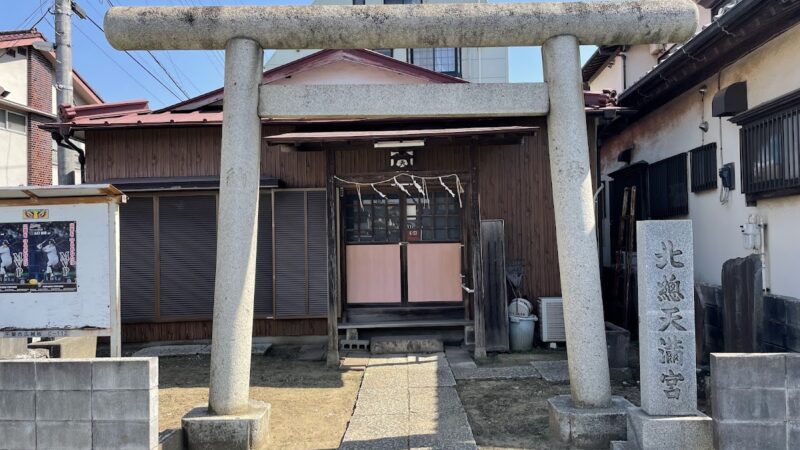
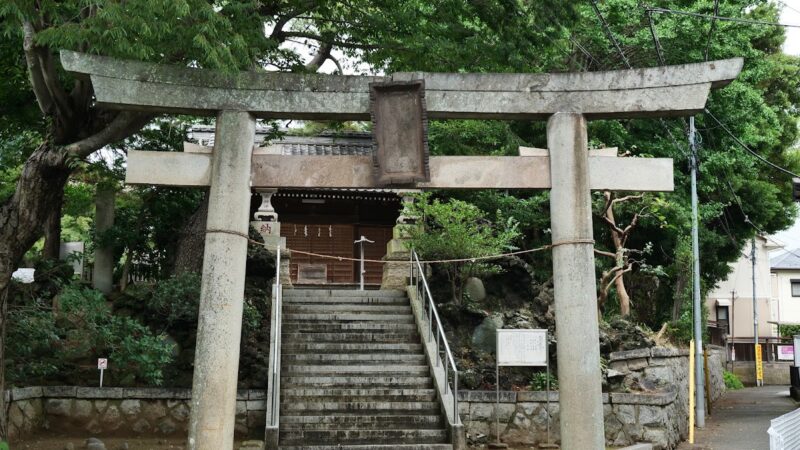
A stone torii gate stands at the entrance to the grounds of Irihi Shrine, and beside it is a shrine name marker inscribed with “Shikinaisha Motomiya Irihi Shrine.” This “Shikinaisha Motomiya” designation speaks to the shrine’s ancient history and prestige.
Worship Hall and Main Shrine
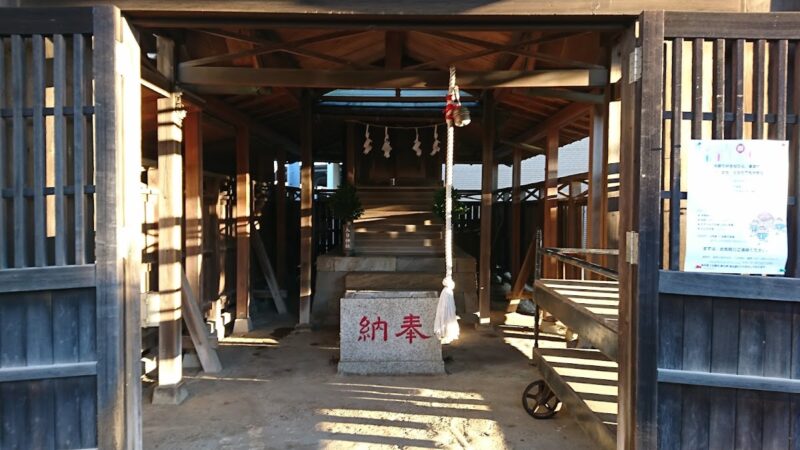
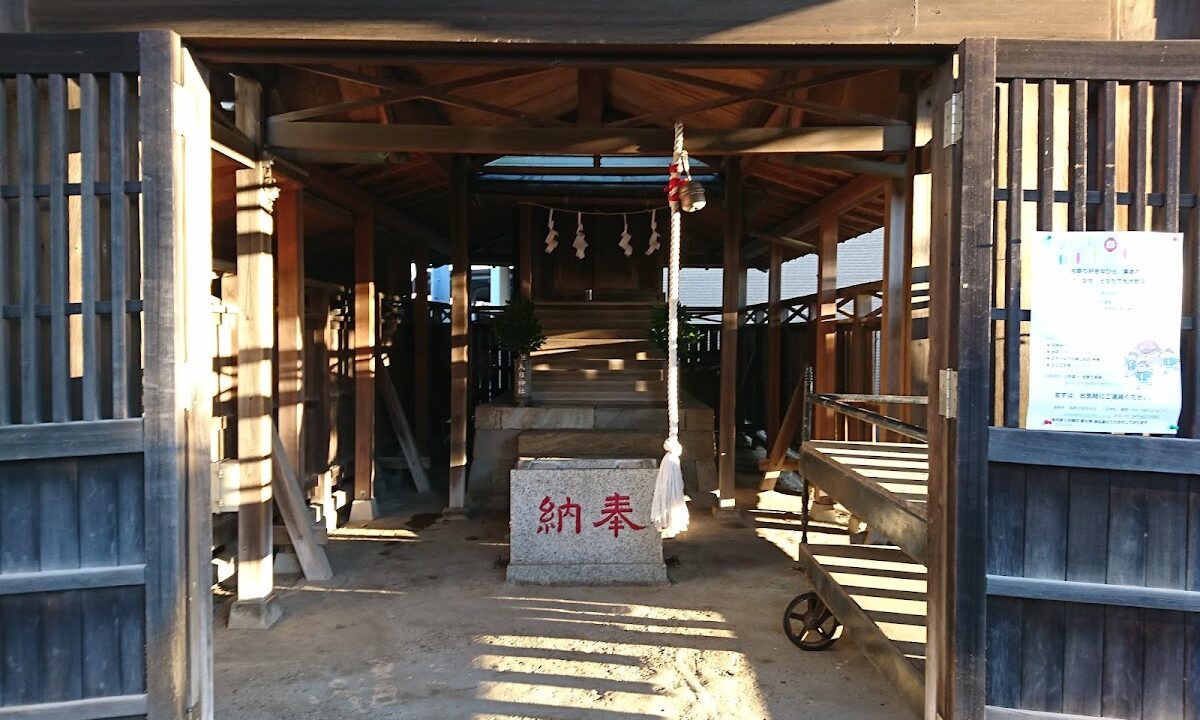
The grounds are not particularly large, but a well-maintained worship hall welcomes visitors. The worship hall is a simple yet dignified wooden structure, possessing a friendly feel befitting a local guardian shrine. The main shrine is located behind the worship hall, and the enshrined deity is worshipped there.
Komainu (Guardian Dogs)
A pair of guardian dogs (komainu) are placed within the shrine grounds. Exposed to the elements, these dignified guardian dogs protect the sacred area, possessing a patina honed over many years.
Subsidiary Shrines and Stone Monuments
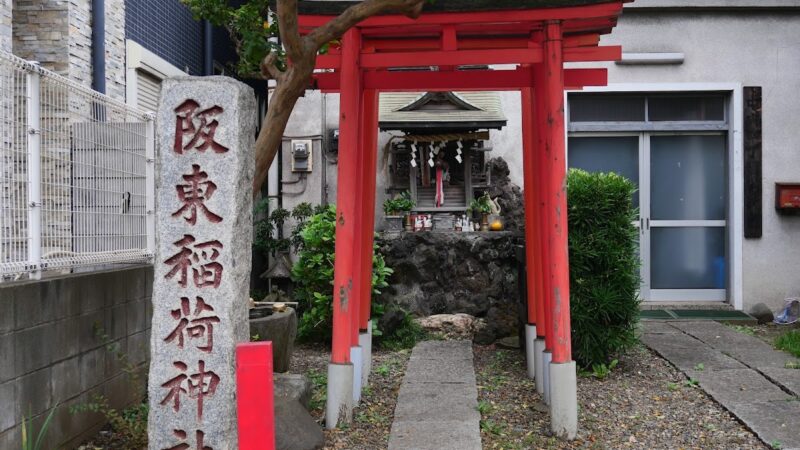
The shrine grounds also contain small subsidiary shrines and monuments, allowing visitors to feel the history and depth of faith of the region.
Sacred Trees and Nature
The shrine grounds are home to ancient trees, creating a tranquil atmosphere despite its urban location. The particularly large sacred tree has a presence that feels like a witness to a long history.
Access Information | Directions from Kaijin Station and Funabashi Station
Basic Information
- Location: 3-7-8 Kaijin, Funabashi City, Chiba Prefecture
- Telephone: Same as Ofuhi Shrine (Funabashi Grand Shrine)
- Visiting Hours: Grounds are open freely (Shrine office may be unattended)
- Parking: No dedicated parking (Use nearby coin parking)
Access by Train
From Keisei Main Line “Kaishin Station”
- Approximately 6-8 minutes on foot from the South Exit of Kaijin Station
- Exit the station and head south, then follow the road through the residential area to access the shrine.
- This is the closest station and convenient for walking.
From JR Sobu Main Line “Funabashi Station” or Keisei Main Line “Keisei Funabashi Station”
- Approximately 12-15 minutes on foot west from Funabashi Station (approximately 850 meters)
- Approximately the same distance from Keisei Funabashi Station
- It’s located north of the overpass where the Chiba Kaido road crosses the Sobu Main Line, heading west.
Access by Bus
From Funabashi Station North Exit, take a Keisei Bus or similar and get off at the “Kaishincho” bus stop. It’s a few minutes’ walk from there.
Access by Car
It’s conveniently located near Chiba Kaido (National Route 14), making it easily accessible by car. However, there is no dedicated parking lot, so we recommend using nearby coin parking or public transportation when visiting.
About Goshuin (Shrine Seals) | Issuance at Funabashi Grand Shrine
The Goshuin of Irihi Shrine is issued at the shrine office of Ofuhi Shrine (Funabashi Grand Shrine), as it is a shrine under the same management. Since there is no permanent shrine office on the grounds of Irihi Shrine, those wishing to receive a Goshuin must visit Funabashi Grand Shrine.
Access to Funabashi Grand Shrine
- Location: 5-2-1 Miyamoto, Funabashi City, Chiba Prefecture
- Nearest Station: Approximately 3 minutes on foot from Daijingu-shita Station on the Keisei Main Line, approximately 15 minutes on foot from Funabashi Station on the JR Sobu Line
- Shrine Office Hours: Usually 9:00 AM to 4:30 PM (may vary depending on the season)
Visiting Funabashi Grand Shrine after visiting Irihi Shrine will allow you to gain a deeper understanding of the historical connection between the two shrines.
Annual Events and Festivals | Community-Based Beliefs
At Irihi Shrine, under the management of Ofuhi Shrine, the following festivals are held as the local guardian shrine.
Annual Festival
At the annual festival, local parishioners and devotees gather for Shinto rituals. Specific dates may vary from year to year, so please contact Ofuhi Shrine for details.
New Year’s Visit
From New Year’s Day to the third day of the year, local residents visit for their first shrine visit of the year. It’s not as crowded as Funabashi Grand Shrine, and is known as a hidden gem for a quiet New Year’s visit.
Nearby Attractions | Charms of the Kaijin Area, Funabashi City
Ofuhi Shrine (Funabashi Grand Shrine)
Funabashi Grand Shrine, the head shrine of Irihi Shrine, is a representative ancient shrine of Funabashi City. The vast grounds include the main hall, worship hall, and many subsidiary shrines, making it well worth a visit. The annual festival in October, known as the “Funabashi Grand Shrine Festival,” attracts many worshippers.
Kaijin Nenbutsu Hall
An old Nenbutsu hall remains in the Kaijin area, allowing visitors to experience the region’s history.
Funabashi City Local History Museum
This museum allows visitors to learn about the history and culture of Funabashi City, and exhibits materials related to Irihi Shrine and Funabashi Grand Shrine.
Shopping Street Along Chiba Kaido Road
Along Chiba Kaido Road, from Kaijin to Funabashi, a traditional shopping street remains, allowing you to experience the local lifestyle and culture.
Manners and Points for Visiting the Shrine
Basic Worship Etiquette
- Bow before passing through the torii gate.
- Avoid walking in the center of the path (the center is the path for the gods).
- If there is a purification fountain, cleanse your hands and mouth.
- Perform “two bows, two claps, one bow” in front of the main hall.
- After praying, turn around and bow before leaving the torii gate.
Photography
Photography is generally permitted on the shrine grounds, but please be discreet in the main hall and sacred areas. Remember to be considerate of other worshippers.
Maintaining a Quiet Environment
As this shrine is located in a residential area, please be quiet during your visit and remember to be considerate of the nearby residents.
The Charm of Irihi Shrine | Why You Should Visit
A Sense of Historical Romance
The legend of Yamato Takeru’s eastern expedition and its history as the original shrine of Funabashi Grand Shrine make it extremely appealing to those interested in ancient history and mythology. The fact that a legend from approximately 1900 years ago still lives on in a modern residential area evokes a sense of historical romance.
A Place for Quiet Worship
Unlike famous grand shrines, Irihi Shrine is rarely crowded, allowing for a peaceful and tranquil visit. You can escape the hustle and bustle of the city and offer your prayers in peace.
A Gateway to Funabashi’s History
Understanding the relationship between Irihi Shrine and Funabashi Grand Shrine is crucial to understanding the history of Funabashi City. Visiting both shrines allows you to experience the flow of history in this region from ancient times.
A Form of Local Faith
The shrine’s charm lies in its simple, unpretentious character as a local guardian deity, untouched by large-scale tourism. The shrine, cherished and protected by local residents, conveys a traditional form of Japanese faith to the present day.
Visiting Nearby Shrines and Temples | Visiting Temples and Temples in Funabashi City
After visiting Irihi Shrine, why not visit other shrines and temples in Funabashi City?
Ofuhi Shrine (Funabashi Grand Shrine)
As mentioned above, this is an ancient shrine that is the main shrine of Irihi Shrine. It’s a must-visit spot.
Ninomiya Shrine
An ancient shrine located in Mitsuyama, Funabashi City, it has been revered as the second-ranked shrine of Shimosa Province.
Shrines of Iiyamamachi
Many small shrines are scattered throughout Funabashi City, each bearing the history of the region.
Summary | Experiencing Ancient Romance at Irihi Shrine
Irihi Shrine, located in Kaijin, Funabashi City, Chiba Prefecture, is a shrine with two important historical backgrounds: the legend of Yamato Takeru’s eastern expedition and its status as the original shrine of Funabashi Grand Shrine. Although it’s a small shrine nestled in a residential area, its grounds quietly hold a history of approximately 1900 years.
Its convenient location, within walking distance of Kaijin Station, is also a major draw. Visiting it along with Funabashi Grand Shrine allows for a deeper understanding of the region’s ancient religious history.
For those who want to avoid crowds and worship in peace, those interested in ancient history and mythology, and those who want to visit a simple, community-based shrine, Irihi Shrine is a recommended spot. When you visit Funabashi, be sure to stop by.
The two enshrined deities, Amaterasu Omikami and Yamato Takeru, will warmly welcome visitors.